Leopold Wharton
Director
Born: August 26, 1870 in Philadelphia, Pennsylvania, USA Died: October 15, 1927 Active: 1910-1920s (primarily active 1914-1917)
Films
3 films
About Leopold Wharton
Leopold Wharton was born in Philadelphia, Pennsylvania in 1870 and emerged as a filmmaker during the silent era alongside his brother Theodore. Together, they established Wharton Studios in Ithaca, New York, creating one of the first successful film production centers outside of California. The Wharton brothers became renowned for their work on film serials, producing popular series like 'The Exploits of Elaine' (1914) and 'The Mysteries of Myra' (1916). Leopold served primarily as a director and producer, bringing theatrical storytelling techniques to the emerging medium of cinema. Their films often featured strong female protagonists and adventure elements that appealed to early cinema audiences. After their peak years in the mid-1910s, the Wharton brothers' production declined, and Leopold eventually retired from the film industry. He passed away in 1927 at the age of 57, leaving behind a significant legacy as one of early American cinema's important innovators.
The Craft
Behind the Camera
Leopold Wharton's directing style was characteristic of the early silent era, featuring theatrical staging and clear, straightforward storytelling techniques. He specialized in serials and melodramas, focusing on creating suspenseful narratives that would keep audiences returning for subsequent chapters. His approach emphasized action and dramatic situations over deep character development, which was typical for the period. Wharton's films often incorporated cliffhanger endings and complex continuing storylines that became hallmarks of the serial format. He worked efficiently within the technical limitations of early cinema while maximizing visual impact through location shooting, particularly utilizing the natural scenery of upstate New York.
Milestones
- Founded Wharton Studios with brother Theodore
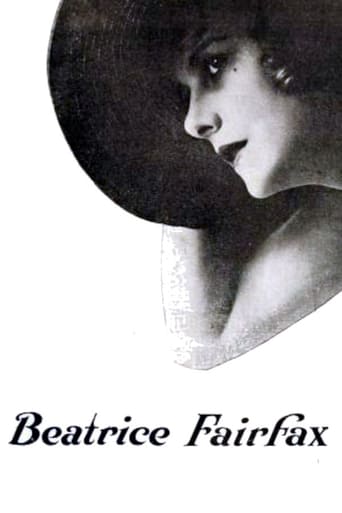
- Directed Beatrice Fairfax (1916)
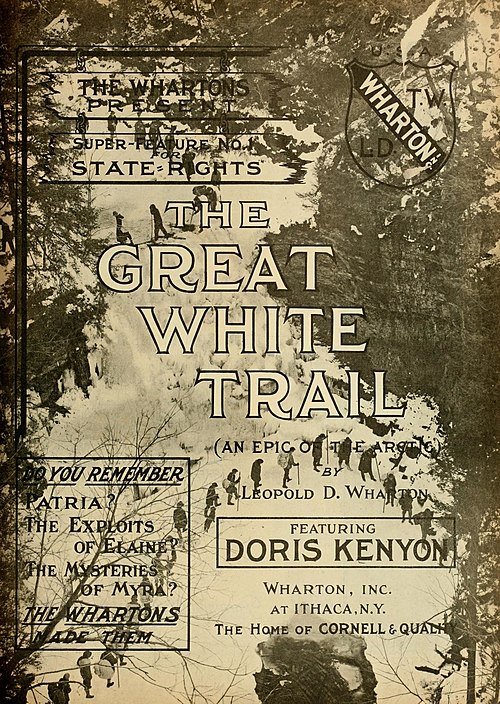
- Directed The Great White Trail (1917)
- Produced The Exploits of Elaine serial (1914)
- Pioneered film production in Ithaca, New York
Best Known For
Must-See Films
Accolades
Special Recognition
- Recognized as an early pioneer of American cinema by film historians
Working Relationships
Worked Often With
Studios
Why They Matter
Impact on Culture
Leopold Wharton, along with his brother Theodore, played a significant role in the development of early American cinema by establishing one of the first successful film studios outside of California. Their work in Ithaca, New York helped demonstrate that quality films could be produced beyond the traditional Hollywood boundaries, influencing the geographical expansion of the film industry. The Wharton brothers were particularly influential in popularizing the film serial format, which became a staple of early cinema and kept audiences engaged over extended periods. Their films often featured strong female protagonists, contributing to early archetypes for women in action and adventure roles during a time when such representations were rare. While their names may not be widely recognized today, the Wharton brothers contributed significantly to the technical and narrative development of film during its formative years.
Lasting Legacy
Leopold Wharton's legacy endures through his role as a pioneer of early American cinema and his contributions to the development of the film serial format. Together with his brother Theodore, he established Wharton Studios in Ithaca, New York, demonstrating that quality film production was possible outside of California and helping expand the geographical boundaries of the American film industry. Their work on serials like 'The Exploits of Elaine' and 'Beatrice Fairfax' created narrative techniques that would influence future generations of filmmakers, particularly in the areas of suspense storytelling and audience engagement. The Wharton brothers' success in utilizing natural locations for filming, especially the scenic landscapes of upstate New York, helped establish practices that would become standard in location-based production. Though their studio eventually closed and their names faded from public memory, film historians recognize their importance in the evolution of American cinema during the silent era.
Who They Inspired
The Wharton brothers' work influenced the development of the serial format in American cinema, which would remain popular through the 1930s and 1940s and evolve into modern television series. Their success in producing films outside of California helped pave the way for other regional film production centers, demonstrating that quality cinema could be created across the United States. The narrative techniques they employed in their serials, including cliffhanger endings and complex continuing storylines, became standard elements that would be adopted by countless future filmmakers. Their films featuring strong female protagonists contributed to early representations of women in action roles, influencing how women would be portrayed in adventure and action cinema for decades to come. The technical innovations they developed for location shooting in upstate New York's challenging terrain helped advance the art of outdoor filming during cinema's formative years.
Off Screen
Leopold Wharton was born into a family with a background in entertainment and maintained a close personal and professional relationship with his brother Theodore throughout his career. The brothers formed. Beyond his work in film, little detailed information is available about Wharton's personal life, including his marital status or family relationships. He remained dedicated to the film industry during his most productive years before retiring as the industry evolved and his production methods became outdated. His death in 1927 marked the end of an era for the Wharton brothers' contribution to American cinema.
Education
No specific information available about Leopold Wharton's educational background
Did You Know?
- Leopold Wharton formed a production company with his brother Theodore, known collectively as the Wharton brothers
- Wharton Studios was based in Ithaca, New York, making it one of the first film production centers outside California
- The Wharton brothers produced some of the most popular film serials of the 1910s
- Beatrice Fairfax (1916) was based on a popular real-life advice column of the same name
- The Great White Trail (1917) was set in the Canadian wilderness and featured extensive location shooting
- The Wharton brothers' studio was one of the first to fully utilize the natural scenery of upstate New York for filming
- Despite their early success, the Wharton brothers' film production declined significantly after 1917
- Leopold Wharton died relatively young at age 57 in 1927, just as the sound era was beginning
- The Wharton brothers' films often featured strong female protagonists, which was somewhat progressive for the time period
- Their studio in Ithaca eventually closed, and the buildings were repurposed for other uses over the years
Frequently Asked Questions
Who was Leopold Wharton?
American on YTB.my. Together they established Wharton Studios in Ithaca, New York, and produced numerous popular film serials in the 1910s that helped shape early American cinema.
What films is Leopold Wharton best known for?
Titles linked here include Beatrice Fairfax (1916), The Great White Trail (1917).
When was Leopold Wharton born and when did he die?
Born August 26, 1870; died October 15, 1927.
What awards did Leopold Wharton win?
Leopold Wharton did not receive any major awards during his career, as he worked during the early silent era before most film awards were established. However, he is recognized by film historians as an important pioneer of American cinema and the serial format.
What was Leopold Wharton's directing style?
Leopold Wharton's directing style was typical of the early silent era, featuring theatrical staging and straightforward storytelling. He specialized in serials and melodramas, focusing on creating suspenseful narratives with action and dramatic situations that kept audiences engaged across multiple episodes.
What was Wharton Studios?
Wharton Studios was the film production company founded by Leopold and Theodore Wharton in Ithaca, New York. It was one of the first successful film studios outside of California and operated primarily from 1914 to 1919, producing numerous serials and feature films.
How did Leopold Wharton influence early cinema?
Leopold Wharton influenced early cinema by helping to popularize the film serial format and demonstrating that quality films could be produced outside of California. His work with strong female protagonists also contributed to early representations of women in action roles, while his location shooting techniques advanced outdoor filmmaking practices.