Films
2 films
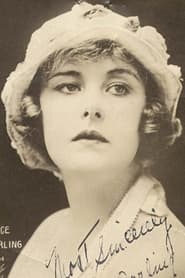
About Grace Darling
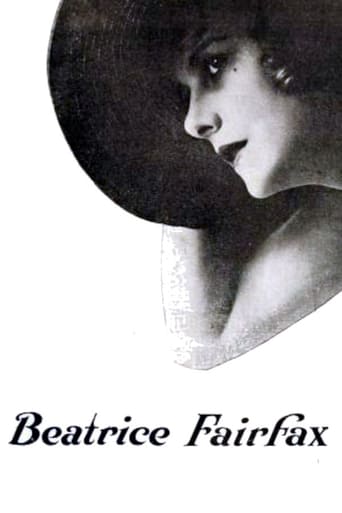
This archive lists one role for Grace Darling: Beatrice Fairfax (1916). Her career was notably brief, spanning only the year 1916, during which she participated in the serial film 'Beatrice Fairfax.' This serial was one of the early examples of the episodic format that would become popular in silent cinema, featuring continuing storylines across multiple installments. While details about her life and career remain scarce due to the limited documentation of supporting actors from this era, her participation in 'Beatrice Fairfax' places her among the generation of film actors during the transition from short films to feature-length productions. Like many actors of her generation, she likely came from a theatrical background, as stage experience was highly valued in early film casting. The brevity of her film career suggests she may have returned to other pursuits after 1916, as was common for many early film actors who did not achieve lasting stardom.
The Craft
Milestones
- Appeared in the serial film 'Beatrice Fairfax' (1916)
Best Known For
Must-See Films
Why They Matter
Impact on Culture
Grace Darling's contribution to cinema, while brief, represents the collective effort of the many supporting actors who helped establish the foundation of American film during its formative years. Her participation in 'Beatrice Fairfax' places her within the context of early serial filmmaking, which was instrumental in developing audience loyalty and the concept of continuing narratives in cinema. While her individual impact may be difficult to trace due to limited documentation, she was part of the generation of actors who transitioned from stage to screen, helping to develop the visual language of film acting that would evolve throughout the silent era.
Lasting Legacy
Grace Darling's legacy is primarily preserved through her appearance in 'Beatrice Fairfax,' one of the early examples of American serial cinema. While she did not achieve lasting fame, her work contributes to our understanding of the supporting actors who populated early films and helped create the foundation for Hollywood's Golden Age. Like many actors of her era, she represents the thousands of performers whose brief careers were essential to the development of cinema but whose stories remain largely untold.
Who They Inspired
Due to the brief nature of her career and limited documentation of her work, Grace Darling's direct influence on subsequent generations of actors cannot be definitively traced. However, as part of the generation of film actors, she contributed to the early development of screen acting techniques that would influence future performers.
Off Screen
Very little is documented about Grace Darling's personal life, which is typical for supporting actors from the silent era who did not achieve major stardom. Like many actors of her generation, detailed biographical information was often not preserved unless the actor became a major star.
Did You Know?
- Grace Darling's film career appears to have lasted only one year, 1916
- She appeared in 'Beatrice Fairfax,' which was one of the early American film serials
- The name 'Grace Darling' was also shared by a famous Victorian-era heroine known for a maritime rescue in 1838
- Silent era actors like Grace Darling often had little biographical information preserved unless they became major stars
- Beatrice Fairfax was based on a popular advice column of the same name from the New York Journal
- The serial format of Beatrice Fairfax was innovative for its time, helping establish audience loyalty through continuing stories
Frequently Asked Questions
Who was Grace Darling?
Silent film actress active in 1916, best known for her appearance in the serial film 'Beatrice Fairfax.' Her career was notably brief, spanning only a single year during the early days of American cinema.
What films is Grace Darling best known for?
Titles linked here include Beatrice Fairfax (1916).
When was Grace Darling born and when did she die?
Due to limited documentation of supporting actors from the silent era, Grace Darling's birth and death dates are not recorded in available historical records.
What awards did Grace Darling win?
No awards or nominations for Grace Darling have been documented, which was typical for supporting actors of the silent era who did not achieve major stardom.
What was Grace Darling's acting style?
Specific details about Grace Darling's acting style are not documented in available sources. Like many actors of her era, she likely employed the exaggerated gestures and expressions characteristic of silent film performance.
Why is so little known about Grace Darling?
Limited biographical information exists for Grace Darling because she was a supporting actor who had a very brief career (only 1916) and did not achieve lasting fame. Detailed records were typically kept only for major stars of the silent era.
What was Beatrice Fairfax about?
Beatrice Fairfax was a 1916 film serial based on a popular advice column. It featured continuing storylines and was innovative for its time, helping establish the serial format that would become popular in American cinema.