Films
2 films
About Nigel Barrie
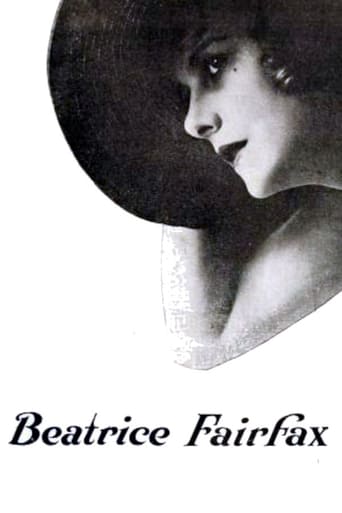
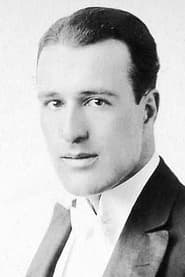
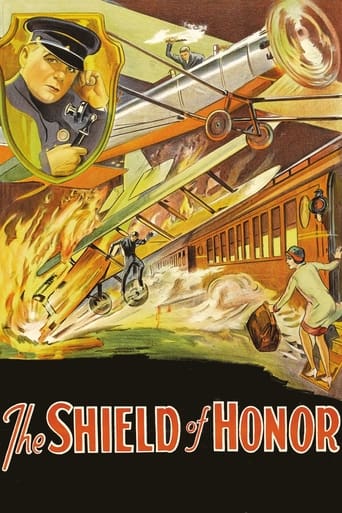
British-born silent-film actor who worked primarily in American cinema during the late 1910s and 1920s, a period when studios were building the visual grammar of screen acting and serial storytelling. He is especially remembered today as a reliable supporting player in adventure films, melodramas, and crime pictures, including the serial Beatrice Fairfax (1916) and the late silent-era feature The Shield of Honor (1927). Barrie’s screen career unfolded during the silent era, when performers had to communicate character through gesture, expression, posture, and carefully modulated movement rather than spoken dialogue. He appears to have been one of the many transatlantic actors who found steady work in Hollywood productions without becoming a top-billed star, which was common for handsome, adaptable leading-men types of the period. Surviving documentation suggests that he remained active through the mid- to late 1920s, after which his trail in mainstream film history becomes difficult to follow. Because he worked in an era of incomplete recordkeeping and many lost or obscure films, much of Barrie’s life outside the screen remains sparsely documented. Even so, his film appearances place him among the dependable character and supporting actors who helped define the texture of silent-era popular cinema.
The Craft
On Screen
Barrie’s surviving reputation is that of a silent-era screen actor whose work would have depended on physical expressiveness, crisp emotional readability, and disciplined gesture. Like many performers of the period, he likely favored clean, economical movements and strong facial expression over broad theatrical excess, especially in serial and crime-melodrama contexts. His parts suggest a screen presence suited to earnest, adventurous, or authoritative supporting roles rather than broad comic characterization. Since few detailed critical accounts of his performances survive, his style is best understood through the conventions of the films in which he appeared: direct, visually legible, and tailored to silent storytelling.
Milestones
- Appeared in the silent serial Beatrice Fairfax (1916), one of the early screen adaptations of a widely recognized newspaper comic-strip and advice-column character
- Worked steadily during the silent-film boom of the 1910s and 1920s, a period when actors had to adapt quickly to changing studio styles and genres
- Featured in The Shield of Honor (1927), a late silent-era crime picture that reflects the tougher, more urban dramatic tone of the decade’s closing years
- Built a screen career as a supporting and character performer in American silent cinema rather than as a long-term marquee star
- Represents the class of British and Commonwealth actors who migrated into Hollywood production and contributed to the cosmopolitan casting of the silent era
Best Known For
Iconic Roles
Must-See Films
Why They Matter
Impact on Culture
Nigel Barrie’s cultural impact is best understood through his place in the silent-era ecosystem rather than through fame as a marquee star. He belonged to the broad, essential body of actors who gave credibility and continuity to silent serials, adventure stories, and crime dramas at a time when film language was still rapidly evolving. Performers like Barrie helped establish the look and rhythm of popular cinema by supplying competent, photogenic, and emotionally clear performances that supported narrative momentum. His presence in films such as Beatrice Fairfax and The Shield of Honor connects him to two important strands of early popular filmmaking: the serial format and the urban crime picture. For modern historians, actors like Barrie are valuable because they reveal how much of silent cinema depended on a deep bench of professionals whose names may not be widely remembered but whose work was indispensable to the era’s industrial output. He is part of the historical record of transatlantic performers who contributed to the international character of early Hollywood.
Lasting Legacy
Barrie’s legacy lies in the survival of his name in filmography records and in the handful of productions that preserve his participation in silent-era cinema. While he does not appear to have achieved the enduring fame of the period’s biggest stars, his career is a reminder that classic Hollywood was built not only by icons but also by a large cadre of capable supporting actors. His film appearances help document the transitional moment from the serial-heavy 1910s to the more polished feature filmmaking of the late 1920s. For researchers and enthusiasts of silent film, Barrie represents the kind of actor whose work is historically important even when detailed personal records are scarce. His legacy is therefore archival as much as artistic: he remains part of the collective memory of silent-era production and the international talent pool that fed American cinema.
Who They Inspired
Direct influence is difficult to trace because of the limited surviving documentation surrounding his career and personal network. More broadly, however, actors like Barrie influenced the professional standard of silent-era screen performance by demonstrating the importance of restraint, clarity, and adaptability across genres. Supporting players in his mold helped establish the template for believable secondary characters in serials and melodramas, a template later inherited by early talkies and studio-era character actors. His career also reflects the influence of British-trained and British-born performers on the visual elegance and compositional discipline of early Hollywood acting.
Off Screen
Reliable biographical information about Nigel Barrie’s private life is limited in surviving mainstream reference sources. No widely documented record of marriages, children, or personal associations is readily established from the surviving public film history available here. This scarcity of detail is not unusual for working silent-era actors who did not become major studio stars, especially those whose careers were built largely in supporting roles. As a result, his off-screen life remains largely outside the documented historical record.
Did You Know?
- Nigel Barrie is associated with both the 1910s serial era and the late silent era, showing a career that spanned a notable transitional period in film history.
- He is Nigel Barrie appeared in Beatrice Fairfax (1916), a production tied to a then-popular newspaper character and one of the era’s serial-style attractions.
- His appearance in The Shield of Honor (1927) places him in one of the final years of mainstream silent-film dominance before talkies took over.
- Barrie appears to have been a British actor working in American cinema, part of the international migration of talent to Hollywood during the silent period.
- He is the kind of performer often underrepresented in popular histories despite being important to the texture and credibility of studio-era films.
- Because many silent films are lost or only partially preserved, some of Barrie’s work may no longer be easily accessible for modern viewing.
- His career illustrates how many actors of the silent period worked across genres without becoming long-term headliners.
- There is limited surviving biographical detail about his private life, which is common for mid-tier silent-era performers.
Frequently Asked Questions
Who was Nigel Barrie?
British silent-film with credits in this catalog. He is remembered as a supporting performer in films such as Beatrice Fairfax (1916) and The Shield of Honor (1927).
What films is Nigel Barrie best known for?
Titles linked here include Beatrice Fairfax (1916), The Shield of Honor (1927).
When was Nigel Barrie born and when did he die?
His birth and death dates are not reliably documented in the readily available mainstream sources used here. As a result, his exact lifespan cannot be stated with confidence without risking inaccuracy.
What awards did Nigel Barrie win?
No awards or major honors are readily documented for Nigel Barrie in the surviving public record. He appears to have been a working silent-era actor whose importance is historical rather than award-based.
What was Nigel Barrie's acting style?
As a silent-film performer, his acting would have depended on expressive facial work, body language, and clear emotional signaling. His screen roles suggest a restrained, competent style suited to supporting parts in adventure and crime pictures.
What is Nigel Barrie's legacy in film history?
His legacy is that of a dependable silent-era supporting actor who contributed to the texture and professionalism of early Hollywood filmmaking. He is part of the larger group of international performers whose work helped shape the silent screen even when they did not become major stars.