
Robert Ellis
Actor
Born: June 27, 1885 in Brooklyn, New York, USA Died: April 20, 1966 Active: 1913-1934
Films
4 films

About Robert Ellis
American actor, director, and screenwriter who worked during the silent film era and early sound period from 1913 to 1934. He began his acting career in the early 1910s and appeared in over 150 films throughout his career, showcasing remarkable versatility and longevity in the rapidly evolving film industry. Ellis was known for playing leading roles in silent dramas and comedies before successfully transitioning to character roles in early sound films. His multifaceted talent extended beyond acting, as he also directed approximately 30 films and wrote screenplays, demonstrating his comprehensive understanding of filmmaking. Ellis was married to actress May Allison, with whom he occasionally co-starred, and their partnership was one of the notable romances of early Hollywood. After a productive career spanning two decades of American cinema's formative years, Ellis retired from filmmaking in 1934 and lived a relatively private life until his death in 1966.
The Craft
On Screen
Robert Ellis was known for his naturalistic acting style that evolved with the changing technology of film. In the silent era, he employed expressive facial gestures and body language typical of the period, but with a subtlety that made his performances stand out among his contemporaries. His transition to sound films was notably smooth, as he possessed a clear speaking voice and adapted well to the new medium's demands. Ellis specialized in playing romantic leads in his early career and later transitioned to character roles, often portraying sophisticated gentlemen or authoritative figures with authenticity and depth.
Milestones
- Appeared in over 150 films as an actor
- Directed approximately 30 films
- Married to actress May Allison
- Successfully transitioned from silent films to talkies
- Worked as both actor and director during career
- Spent over two decades in the film industry
Best Known For
Iconic Roles
Must-See Films
Working Relationships
Worked Often With
Studios
Why They Matter
Impact on Culture
Robert Ellis represents the journey of many versatile actors who successfully navigated the challenging transition from silent films to talkies during a pivotal period in cinema history. His career trajectory mirrors the evolution of American cinema during its formative decades, from the early days of feature films to the advent of synchronized sound. While not as remembered as some of his more famous contemporaries, Ellis contributed to over 150 films during a crucial period of film history, helping to establish storytelling techniques and acting styles that would influence future generations. His work as both actor and director exemplifies the multi-talented nature of many early film professionals who wore multiple hats in the developing industry.
Lasting Legacy
Robert Ellis's legacy lies in his extensive body of work that spans the silent era and early sound period, providing valuable documentation of acting styles and storytelling techniques from early American cinema. As someone who worked both in front of and behind the camera, Ellis represents the versatile film professional typical of early Hollywood, where specialization was less common than adaptability. His career shows the adaptability required during the technological transition from silent to sound films, a challenge that ended many careers but which Ellis successfully navigated. The films he participated in, though not all preserved, remain part of the historical record of American cinema's development.
Who They Inspired
While not widely documented as a major influence on subsequent generations of filmmakers, Ellis's career path influenced other actors of his era who faced the challenge of transitioning to sound films. His successful navigation of both acting and directing roles demonstrated the possibilities for career diversification in the film industry during a time when professional boundaries were more fluid. Ellis's ability to adapt his performance style from the exaggerated expressions required in silent films to the more nuanced acting demanded by talkies provided a model for other actors facing similar transitions.
Off Screen
Robert Ellis maintained a relatively private personal life compared to many of his Hollywood contemporaries, though his marriage to actress May Allison was well-publicized in entertainment circles. The couple married in 1920 and remained together until Ellis's death in 1966, spanning 46 years. Their relationship was considered one of the stable marriages of early Hollywood, surviving the transition from silent films to talkies and the changing landscape of the entertainment industry. Beyond his marriage, little is publicly documented about Ellis's personal life, family background, or interests outside of filmmaking.
Family
- May Allison (1920-1966)
Did You Know?
- Robert Ellis appeared in over 150 films during his career
- He was married to popular silent film actress May Allison
- Ellis worked as both actor and director during his career
- He successfully transitioned from silent films to talkies
- His active years covered over two decades, from 1913 to 1934
- Ellis began his career during the early years of American feature films
- He occasionally co-starred with his wife May Allison in films
- Ellis directed approximately 30 films in addition to his acting work
- He retired from filmmaking in 1934, well before his death
- Ellis was born in Brooklyn, New York, like many early film pioneers
- His marriage to May Allison lasted 46 years until his death
- He was part of the generation that witnessed cinema's transition from silent to sound
Frequently Asked Questions
Who was Robert Ellis?
American actor, on YTB.my. He appeared in over 150 films and directed approximately 30 others, making significant contributions to early American cinema.
What films is Robert Ellis best known for?
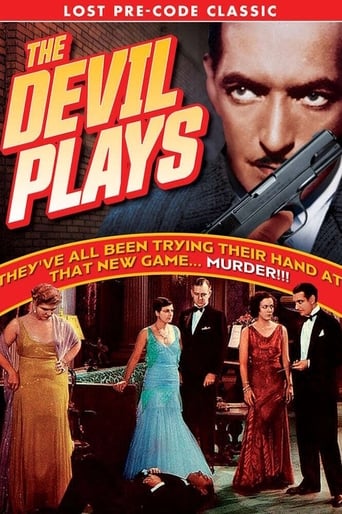
Titles linked here include The Devil Plays (1921), Ladies of Leisure (1926).
When was Robert Ellis born and when did he die?
Born June 27, 1885; died April 20, 1966.
What awards did Robert Ellis win?
There are no documented major awards or nominations for Robert Ellis, which was not uncommon for many actors of his era who worked primarily in popular entertainment rather than prestige productions.
What was Robert Ellis's acting style?
Robert Ellis was known for his naturalistic acting style that evolved with film technology. In silent films, he used expressive gestures with notable subtlety, and he successfully adapted to sound films with his clear speaking voice, transitioning from romantic leads to character roles.
Was Robert Ellis married?
Yes, Robert Ellis was married to actress May Allison from 1920 until his death in 1966. Their marriage was one of the notable Hollywood relationships of the silent era.
Did Robert Ellis work as a director?
Yes, Robert Ellis directed approximately 30 films during his career, demonstrating his versatility in the film industry by working both in front of and behind the camera.
How did Robert Ellis handle the transition from silent to sound films?
Robert Ellis successfully navigated the transition from silent to sound films, adapting his acting style and continuing to find work in the new medium. His clear speaking voice and ability to adjust his performance techniques helped him maintain his career during this challenging period for many actors.