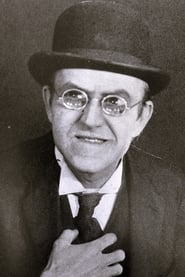
Erwin Connelly
Actor
Born: June 22, 1866 in New York City, New York, USA Died: August 8, 1929 Active: 1922-1926
Films
5 films
About Erwin Connelly
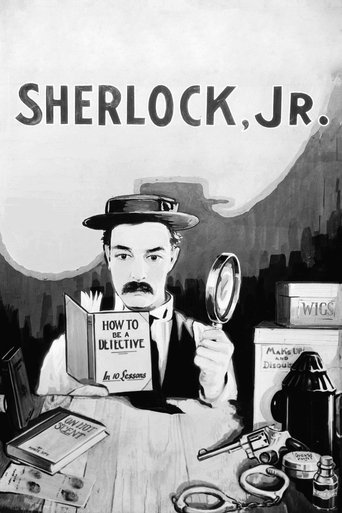
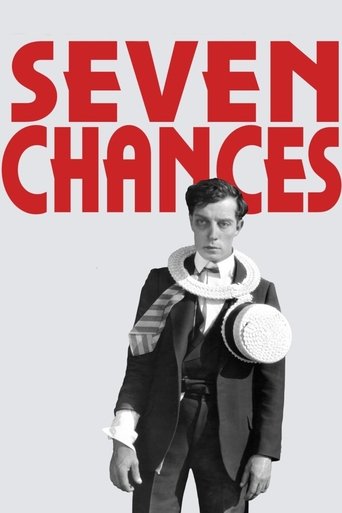
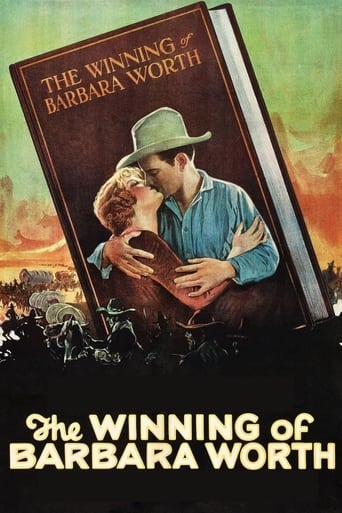
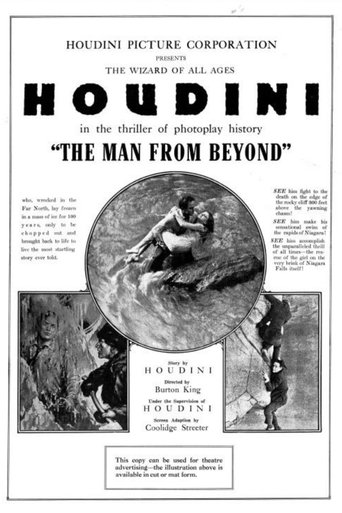
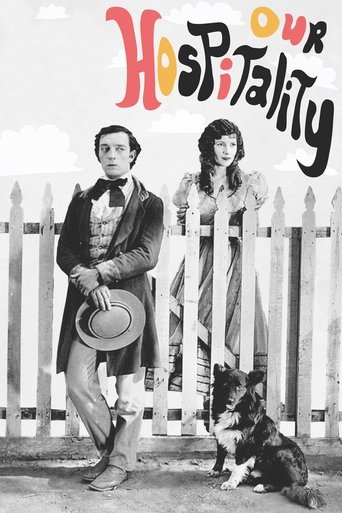
Prolific character actor of the silent film era, best known for his memorable collaborations with comedy genius Buster Keaton. Born in 1866, he began his film career relatively late in life, making his mark during the golden age of silent comedy. Connelly appeared in numerous Keaton classics including 'Sherlock Jr.,' 'Seven Chances,' and 'Our Hospitality,' where his distinctive face and reliable character performances provided perfect support to Keaton's physical comedy. Beyond his work with Keaton, he also appeared in other significant silent films such as 'The Man from Beyond' and 'The Winning of Barbara Worth,' demonstrating his versatility across different genres. His career, though brief by Hollywood standards, was concentrated during the peak years of silent cinema from 1922 to 1926. Connelly's ability to convey emotion and character through subtle expressions made him a valuable asset in an era before synchronized sound. His passing in 1929 came just as the transition to talkies was beginning, marking the end of a silent film career that had on classic comedy.
The Craft
On Screen
Connelly excelled in subtle character acting in the silent era, using expressive facial features and controlled body language to convey emotion and personality. His style complemented the physical comedy of his co-stars, particularly Buster Keaton, by providing grounded, realistic reactions to the absurd situations. He excelled at playing authority figures, butlers, and respectable gentlemen who often served as foils to the comedic leads. Connelly's performances were marked by their restraint and naturalism, standing in contrast to the exaggerated acting common in many silent films of the period.
Milestones
- Breakthrough role in Buster Keaton's 'Our Hospitality' (1923)
- Memorable performance as the butler in 'Seven Chances' (1925)
- Supporting role in the groundbreaking 'Sherlock Jr.' (1924)
- Appearance in the adventure film 'The Man from Beyond' (1922)
- Final major film role in 'The Winning of Barbara Worth' (1926)
Best Known For
Iconic Roles
Must-See Films
Working Relationships
Worked Often With
Studios
Why They Matter
Impact on Culture
Erwin Connelly contributed significantly to the golden age of silent comedy through his work with Buster Keaton, one of cinema's greatest comic innovators. His performances helped create the perfect comedic rhythm in Keaton's films, providing the necessary straight-man reactions that enhanced the physical comedy. As part of Keaton's regular troupe of character actors, Connelly helped establish the ensemble style that would influence comedy filmmaking for decades. His work represents the unsung contributions of character actors who were essential to the success of silent film classics but often remain unrecognized by modern audiences.
Lasting Legacy
Erwin Connelly's legacy lives on through his contributions to some of the most celebrated silent comedies ever made. While not a household name like his more famous collaborators, his performances continue to be appreciated by film scholars and silent cinema enthusiasts. His work shows the importance of supporting actors in creating memorable films, and his appearances in Keaton's masterpieces ensure that his contributions to cinema history are preserved. Connelly represents the generation of character actors who bridged the theatrical traditions of the 19th century with the emerging art form of cinema.
Who They Inspired
Connelly's naturalistic acting style in an era of exaggerated performances influenced subsequent generations of character actors, particularly in comedy. His ability to maintain dignity while participating in absurd situations set a standard for straight-man performances in comedy teams. Though he didn't live to see the full transition to sound films, his approach to character acting would prove valuable in the talkie era where subtlety became increasingly important. His work with Keaton demonstrated how effective character acting could elevate physical comedy to art.
Off Screen
Private individual who kept his personal life largely out of the public eye, which was common for character with credits in this catalog. He entered the film industry in his mid-50s, suggesting he may have had another career before turning to acting. His relatively short but prolific film active years covered the peak years of silent cinema. Connelly passed away in 1929 at the age of 63, just as the film industry was transitioning to sound, meaning his career was entirely within the silent era.
Did You Know?
- Began his film career at age 56, making him a late bloomer by Hollywood standards
- Appeared in four consecutive Buster Keaton feature films from 1923-1925
- His entire film career was confined to the silent era
- Died just months before the stock market crash of 1929
- Often played authority figures and respectable gentlemen
- His distinctive appearance made him easily recognizable to silent film audiences
- Worked during the peak creative period of Buster Keaton's career
- His final film appearance was in the prestigious 'The Winning of Barbara Worth'
- Was part of Keaton's stock company of reliable character actors
- His active years covered only five years but included appearances in several classic films
Frequently Asked Questions
Who was Erwin Connelly?
American character with credits in this catalog.' and 'Seven Chances.' He specialized in playing authority figures and respectable gentlemen who provided perfect foils to physical comedy.
What films is Erwin Connelly best known for?
Titles linked here include Sherlock Jr. (1924), Seven Chances (1925).
When was Erwin Connelly born and when did he die?
Born June 22, 1866; died August 8, 1929.
What awards did Erwin Connelly win?
Erwin Connelly did not receive any major awards during his career, which was common for character actors of the silent era. His contributions are primarily remembered through his performances in classic films rather than formal recognition.
What was Erwin Connelly's acting style?
Connelly was known for his naturalistic and restrained acting style in an era when exaggerated performances were common. He used subtle facial expressions and controlled body language to convey character, making him an effective straight man for physical comedians like Buster Keaton.
How old was Erwin Connelly when he started his film career?
Erwin Connelly began his film career at age 56 in 1922, making him a late bloomer in Hollywood. Despite starting late, he had a prolific five-year career appearing in numerous classic silent films.
Did Erwin Connelly work in sound films?
No, Erwin Connelly's entire film career was confined to the silent era. He retired from acting in 1926 and passed away in 1929, just as the film industry was transitioning to sound pictures.