Films
7 films

About Frances Raymond
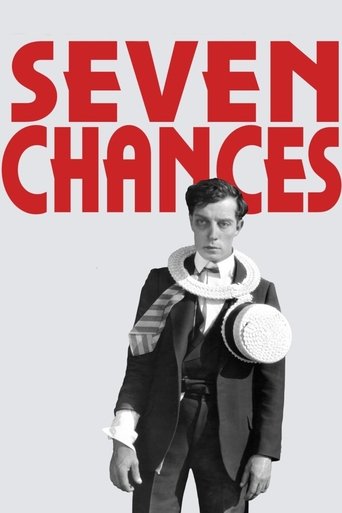
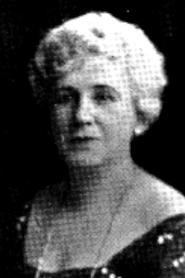
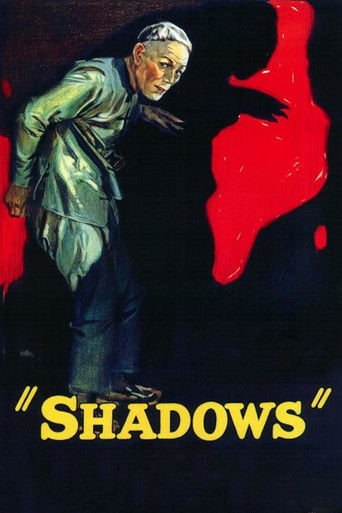
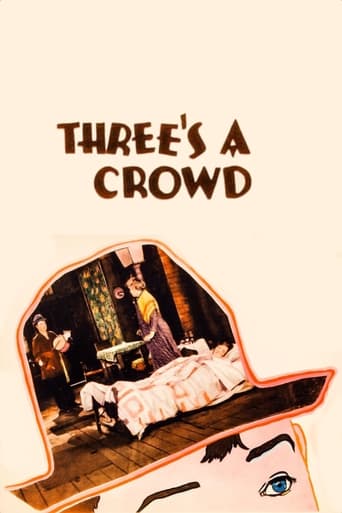
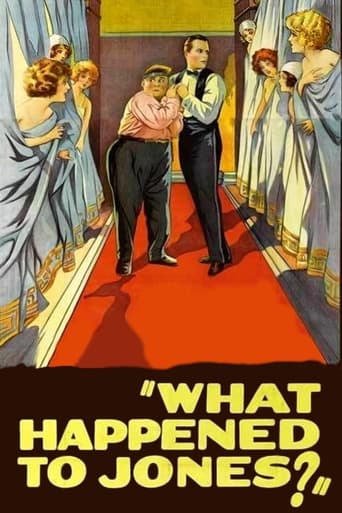
American character actress who worked during the silent film era of the 1920s. Frances appears in a variety of supporting roles across several notable productions, primarily in comedies and light dramas. Her career, though brief, spanned from 1922 to 1927, during which she worked with some of the era's most prominent filmmakers and performers. Raymond's most notable appearance was in Buster Keaton's classic comedy 'Seven Chances' (1925), where she played a supporting role in the film's ensemble cast. She also appeared in 'Shadows' (1922), a dramatic film directed by Tom Forman, showcasing her versatility across different genres. Her later work included appearances in comedies like 'What Happened to Jones?' (1926), 'Three's a Crowd' (1927), and Dorothy Arzner's 'Get Your Man' (1927). While she never achieved leading lady status, Raymond contributed to the silent cinema through her reliable supporting performances.
The Craft
On Screen
As a supporting actress in silent films, Frances Raymond likely employed the exaggerated physical acting style typical of the era, using facial expressions and body language to convey emotion and character. Her appearances in comedies suggest she had comedic timing and could play both straight and humorous roles effectively.
Milestones
- Appeared in Buster Keaton's classic comedy Seven Chances (1925)
- Worked with director Dorothy Arzner on Get Your Man (1927)
- Appeared in the dramatic film Shadows (1922) directed by Tom Forman
- Built a consistent career in supporting roles during the silent era
- Transitioned between dramatic and comedic roles successfully
Best Known For
Iconic Roles
Must-See Films
Working Relationships
Worked Often With
Why They Matter
Impact on Culture
Frances Raymond represents the countless character actors who formed the backbone of silent cinema, providing essential support to lead performers and helping create the immersive worlds of early films. While not a star herself, her contributions to films like 'Seven Chances' helped cement these works as classics of the silent era. Her ability to work across different genres and with various directors demonstrates the versatility required of supporting actors during this foundational period of American cinema.
Lasting Legacy
Though her name may not be widely recognized today, Frances Raymond's legacy lives on through the preserved films in which she appeared. Her work in 'Seven Chances' ensures she remains part of Buster Keaton's enduring cinematic legacy, while her collaborations with director Dorothy Arzner connect her to important moments in early Hollywood history. She exemplifies the essential but often overlooked character actors who made silent cinema possible.
Who They Inspired
As a supporting actress during the transitional period of the 1920s, Frances Raymond contributed to the development of ensemble acting techniques that would become standard in later cinema. Her work in both comedies and dramas helped establish the importance of well-rounded supporting casts in film production, influencing how future generations of filmmakers approached character development in secondary roles.
Off Screen
Very little documented information exists about Frances Raymond's personal life, which was common for supporting actors of the silent era who were not major stars. Like many character actresses of her time, she likely focused on her craft while maintaining a relatively private personal life away from the Hollywood spotlight.
Did You Know?
- Her most famous role was in Buster Keaton's Seven Chances (1925), now considered a classic of silent comedy
- She worked with female director Dorothy Arzner on Get Your Man (1927)
- Her active years covered the peak years of silent cinema before the transition to sound
- She appeared in both dramatic films like Shadows (1922) and comedies, showing versatility
- Like many supporting actors of the era, she often played uncredited or minor roles
- Her film career was relatively brief, lasting only about five years
- She worked during a transformative period in Hollywood history
- Her appearances in multiple films in 1927 suggest she was in demand as a reliable character actress
Frequently Asked Questions
Who was Frances Raymond?
American character actress who worked during the silent film era of the 1920s, appearing in supporting roles in films including Buster Keaton's Seven Chances (1925) and Dorothy Arzner's Get Your Man (1927).
What films is Frances Raymond best known for?
Titles linked here include Seven Chances (1925), Shadows (1922).
When was Frances Raymond active in films?
Frances Raymond's film active years covered from 1922 to 1927, covering the peak years of the silent era just before the transition to sound films in Hollywood.
Did Frances Raymond work with any famous directors?
Yes, she worked with several notable directors including Tom Forman on Shadows (1922), Buster Keaton (who also directed) on Seven Chances (1925), and female director Dorothy Arzner on Get Your Man (1927).
What type of roles did Frances Raymond typically play?
Frances Raymond primarily played supporting character roles, appearing in both dramatic films and comedies. Her versatility allowed her to work across different genres, though she appeared most frequently in comedic productions.