1918 · Approximately 50-60 minutes

Also available on: Archive.org
He Comes Up Smiling

He Comes Up Smiling

1918 Approximately 50-60 minutes United States
Identity and disguiseClass mobilityFreedom versus routineComic dangerMasculine self-invention

Plot

Jerry Martin is a young bank clerk whose respectable but monotonous life leaves him restless and dissatisfied. He abandons his desk job and drifts into the world of hobos, where he adopts the persona of "Bachelor," the supposed king of the market, and begins to move among drifters, hustlers, and sharper characters with increasing confidence. His masquerade draws him into a dangerous situation, because several men are searching for the real Bachelor and mistake Jerry for the man they intend to confront. As Jerry tries to keep up the deception and protect himself, the comedy turns into a series of chases, close calls, and improvisations that test his nerve and ingenuity. The surviving plot fragments suggest the film follows his comic entanglement with these rough characters before he is ultimately forced to face the consequences of his impersonation and find a path back to stability.

About the Production

Release Date 1918-06-24
Production Douglas Fairbanks Pictures
Filmed In California, USA

This early Douglas Fairbanks vehicle was directed by Allan Dwan during the peak of Fairbanks's rise as a screen comedian and athletic adventurer. The film survives only in fragments, so many production specifics are no longer verifiable from complete prints, but it is known as one of the light comic features Fairbanks made before he became fully associated with swashbuckling adventure roles. Like many 1918 productions, it was made in the studio-and-exterior style common to the period, with location work likely used to support the hobo and market-world material. The film's preservation by the Academy Film Archive in 2010 underscores its archival importance despite its incomplete survival.

Historical Background

The film was produced in 1918, at the end of World War I and during a period of immense change in American culture, labor, and entertainment. Silent film comedy was at a high point, and audiences were strongly drawn to films offering escape, speed, physical energy, and optimism during a time of wartime disruption and social uncertainty. Douglas Fairbanks was becoming one of the biggest stars in the world, and his lively, athletic style reflected the era's appetite for modern, mobile, democratic hero-types. The hobo material also connects the film to a broader silent-era fascination with tramps, drifters, and social outsiders, figures who could be treated comedically while also symbolizing freedom from rigid social roles. As an Allan Dwan/Fairbanks collaboration, the film sits within the early shaping of the action-comedy tradition that would influence later star-driven adventure cinema.

Why This Film Matters

Although not among the most famous surviving Fairbanks titles, He Comes Up Smiling is culturally significant as an example of how silent-era American cinema mixed class comedy, disguise plots, and physical performance to create mass entertainment. The film contributes to our understanding of Douglas Fairbanks before his later transformation into a heroic swashbuckler, showing him in a role that foregrounds quick wit, improvisation, and social mobility. Its fragmentary survival also makes it important to film preservation history, since every surviving piece helps scholars reconstruct the careers of major filmmakers and stars. In a broader sense, the film reflects early Hollywood's fascination with the comic outsider who can move between worlds, a theme that remained influential in later screen comedy and adventure storytelling.

Making Of

He Comes Up Smiling was mounted during a highly productive period for Douglas Fairbanks, when he was building the persona that would soon make him one of the defining stars of silent cinema. Allan Dwan, an extremely adaptable director, was well suited to Fairbanks's blend of athletic action and buoyant comedy, and the film reflects that combination in a story built around disguise, mobility, and comic peril. Surviving documentation is limited, so many behind-the-scenes details are unavailable, but the project belongs to the era when Fairbanks was increasingly controlling the shape of his screen image through his own production company. The fact that only fragments survive today means the film's exact staging, comic rhythms, and full narrative arc can no longer be studied in complete form, making archival preservation especially significant.

Visual Style

The film would have been shot in the style typical of late-1910s silent Hollywood, with clear staging, expressive physical action, and an emphasis on readable comic business. Because only fragments survive, a full assessment of its visual design is impossible, but Fairbanks films of this period often featured dynamic blocking and a lively use of open spaces that allowed for running, jumping, and chase sequences. Allan Dwan's direction typically favored economical storytelling and efficient visual clarity, which would have supported the film's disguise and pursuit material. Surviving stills and documentation, where available, suggest a straightforward but energetic silent-comedy visual approach rather than elaborate expressionist stylization.

Innovations

The film does not appear to be associated with a major technical innovation, but it is representative of the polished production standards of late silent-era Hollywood. Its technical value lies more in the physical-comedy staging, chase construction, and visual clarity associated with Fairbanks vehicles than in any formal invention. The film also has preservation significance because the survival of fragments allows archivists and historians to recover images from a title that would otherwise be lost. In that sense, its archival restoration and preservation history are part of its technical legacy.

Music

As a silent film, He Comes Up Smiling originally had no synchronized recorded soundtrack. It would have been accompanied in theaters by live music, typically a pianist, organist, or small ensemble depending on the venue, with the exact cues varying by theater and exhibition context. No surviving original cue sheet has been reliably identified in the available record here. Modern screenings of surviving fragments would typically use a reconstructed or newly composed silent-film accompaniment.

Famous Quotes

No verified surviving dialogue quotations are available from the fragmentary film
The title itself, He Comes Up Smiling, was used in contemporary promotion to evoke Fairbanks's optimistic comic persona

Memorable Scenes

  • Jerry Martin abandoning his bank-clerk routine to strike out on his own and enter the world of hobos
  • Jerry adopting the persona of "Bachelor," the self-styled "king of the market
  • The comic tension of Jerry being pursued by dangerous men who believe he is the real Bachelor

Did You Know?

  • The film stars Douglas Fairbanks, one of the most famous American silent-era performers and a major box-office draw in 1918.
  • It was directed by Allan Dwan, a prolific filmmaker whose career stretched from the silent era into the 1950s.
  • The movie is considered partially lost: only fragments are known to survive.
  • Its surviving elements were preserved by the Academy Film Archive in 2010, helping secure the film's long-term survival in fragmentary form.
  • The plot centers on Fairbanks as a bank clerk who falls into the hobo world, a premise that blends working-class comedy with the energetic physicality associated with the star.
  • The character of "Bachelor," described as the "king of the market," gives the film a colorful underworld disguise motif typical of silent comedy plots.
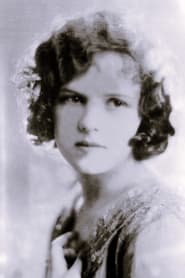
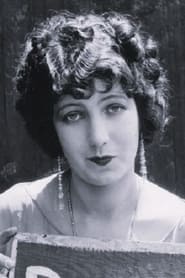
  • Marjorie Daw appears in the cast, representing the kind of romantic and comic support role frequently paired with Fairbanks in this period.
  • The film is useful to historians because it shows Fairbanks in a transitional phase before his iconic adventure persona became dominant.
  • Because the film survives only in fragments, contemporary scholars often rely on production records, catalog entries, and secondary sources to reconstruct its content.
  • Its preservation status makes it part of the broader effort to save early silent comedies that would otherwise be entirely lost.

What Critics Said

Contemporary reviews are not comprehensively preserved in the available surviving record here, so detailed day-by-day reception cannot be stated with confidence. As with many Fairbanks comedies of the period, it was likely received as a lively star vehicle emphasizing charm, athleticism, and broad comic invention. Modern critical interest is primarily archival and historical rather than based on full-text viewing, because the film survives only in fragments. Scholars value it for what it reveals about Fairbanks's evolving screen image and Allan Dwan's early silent work, even though the incomplete survival limits formal analysis.

What Audiences Thought

Specific box-office or audience-survey data is not known. Given Fairbanks's popularity in 1918, the film likely appealed to contemporary audiences who enjoyed his energetic persona and the comic premise of a bank clerk thrown into a rough-and-tumble world. The hobo and mistaken-identity elements would have provided accessible humor and suspense for broad audiences of the time. Today, audience access is limited by the film's fragmentary survival, so modern reception is largely shaped by historians, archivists, and silent-film enthusiasts rather than general viewers.

Film Connections

Influenced By

  • Silent slapstick and chase comedies of the 1910s
  • Douglas Fairbanks's own emerging screen persona
  • Popular stage and vaudeville traditions of disguise and physical comedy
  • Contemporary tramp and hobo comedy archetypes

This Film Influenced

  • Later Douglas Fairbanks adventure-comedies
  • Silent-era mistaken-identity comedies
  • Hollywood chase and disguise comedies of the 1920s

Film Restoration

Fragmentary survival only; the film is partially lost, with only fragments known to exist. Surviving material was preserved by the Academy Film Archive in 2010.

Themes & Topics