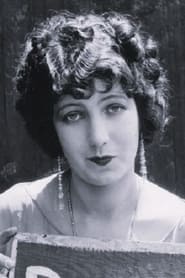
Kathleen Kirkham
Actor
Born: April 15, 1895 in Macon, Georgia, United States Died: November 7, 1961 Active: 1917-1921
Films
6 films

About Kathleen Kirkham
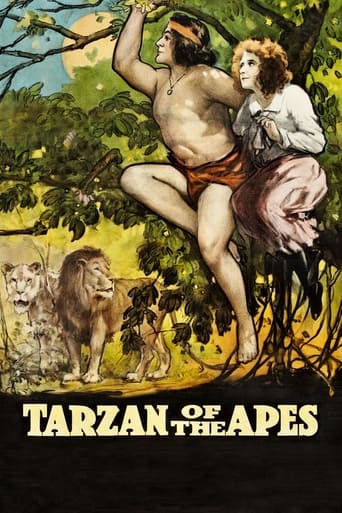
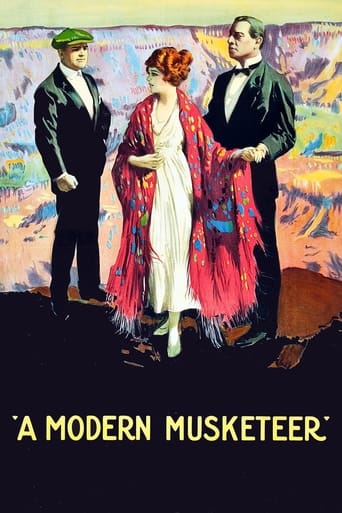
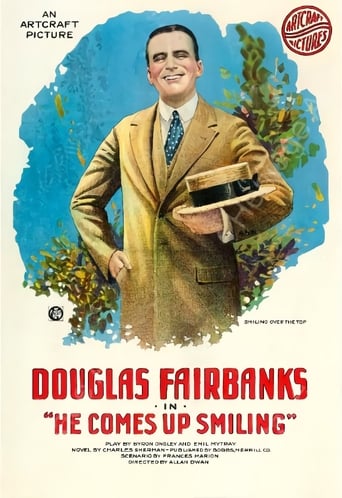
Prominent American actress during the silent film era, best known for her elegant and sophisticated portrayals in the late 1910s and early 1920s. She began her film career in 1917 with a role in 'A Modern Musketeer' starring Douglas Fairbanks, quickly establishing herself as a reliable supporting actress in major productions. Her most notable role came in 1918 when she portrayed Jane Porter in the film 'Tarzan of the Apes' opposite Elmo Lincoln, the first actor to play Tarzan on screen. Kirkham's refined demeanor and classical beauty made her particularly well-suited for roles as aristocratic women, society ladies, and romantic interests. Kathleen appears in several significant silent productions including 'The Married Virgin' (1918) and 'The Sky Pilot' (1921), working with some of the era's most notable directors and stars. Despite her promising career trajectory, her time in the film industry was relatively brief, with her last known film appearances occurring in 1921. Her career exemplified the typical arc of many silent era actresses who found success but whose careers were often cut short by the transition to sound films or personal circumstances.
The Craft
On Screen
Kathleen Kirkham embodied the classic silent film acting style characterized by exaggerated gestures and expressive facial features, though her performances were notably more restrained and naturalistic than many of her contemporaries. She specialized in portraying refined, elegant women with an air of sophistication that came naturally to her screen presence. Her acting technique emphasized subtle emotional nuances through her eyes and delicate hand movements, making her particularly effective in dramatic scenes requiring emotional depth. Kirkham's background likely included stage training, which informed her controlled movements and graceful screen demeanor, essential qualities for the close-up shots that became increasingly common in late 1910s cinema.
Milestones
- Debut in 'A Modern Musketeer' (1917)
- Portrayed Jane Porter in 'Tarzan of the Apes' (1918)
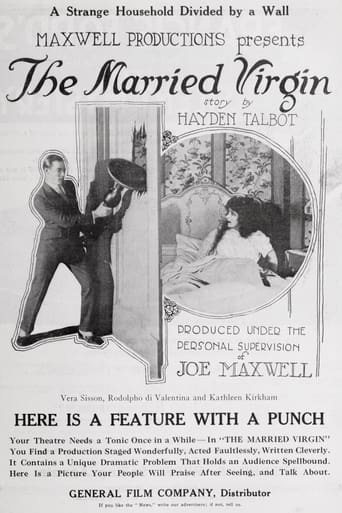
- Starred in 'The Married Virgin' (1918)
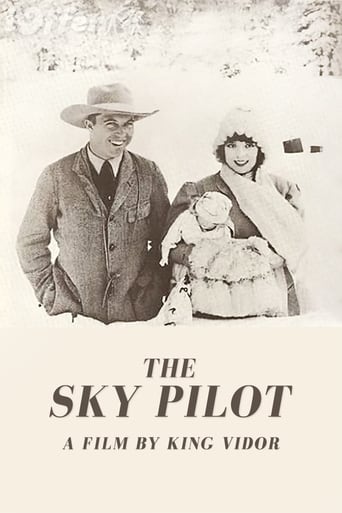
- Appeared in 'The Sky Pilot' (1921)
- Worked with major silent film stars including Douglas Fairbanks and Elmo Lincoln
Best Known For
Iconic Roles
Must-See Films
Working Relationships
Worked Often With
Studios
Why They Matter
Impact on Culture
Kathleen Kirkham's contribution to cinema history, while not widely recognized today, represents an important part of the foundation of American film during its formative years. Her portrayal of Jane Porter in 'Tarzan of the Apes' (1918) was particularly significant as it helped establish one of cinema's most enduring franchises and character archetypes. The film itself was a massive commercial success that demonstrated the viability of adventure films and helped establish many conventions that would dominate action cinema for decades. Kirkham's elegant and refined portrayal of Jane set the template for how the character would be interpreted in future adaptations, influencing subsequent actresses who took on the role. Her work during this transitional period in film history, when cinema was evolving from short novelty pieces to feature-length narrative films, contributed to the development of the film star system and the establishment of character archetypes that would become staples of Hollywood storytelling.
Lasting Legacy
Kathleen Kirkham's legacy is primarily preserved through her surviving film work, particularly 'Tarzan of the Apes,' which remains an important historical document of early American cinema. As one of the first actresses to portray Jane Porter on screen, she holds a unique place in the long history of Tarzan adaptations that would span decades and include numerous remakes and reinterpretations. Her career exemplifies the journey of many silent era actresses who found success during cinema's early boom years but whose names faded from public memory as the industry evolved. Film historians and silent cinema enthusiasts recognize her as part of the generation of performers who helped establish the conventions of film acting and storytelling that would influence generations of actors to follow. Her work serves as a valuable example of the acting styles and production values of the late 1910s, providing insight into the artistic and technical development of American cinema during its crucial formative period.
Who They Inspired
While Kathleen Kirkham did not achieve the lasting fame of some of her contemporaries, her work influenced subsequent portrayals of Jane Porter and helped establish expectations for how female characters should be presented in adventure films. Her naturalistic yet expressive acting style represented a transition away from the more theatrical acting common in early cinema toward a more film-appropriate performance style. The success of films she appeared in, particularly 'Tarzan of the Apes,' demonstrated the commercial viability of adventure films with strong romantic elements, influencing the development of genre filmmaking in Hollywood. Her career trajectory also reflects the broader patterns of women's participation in early Hollywood, where many talented actresses contributed significantly to the art form during its development before stepping away from the industry for personal reasons.
Off Screen
Kathleen Kirkham led a relatively private life outside of her film career, which was not uncommon for actresses of her era who sought to maintain respectability in the public eye. She married and eventually stepped away from her acting career, as was typical for many women in the early 1920s who prioritized family over professional ambitions. After leaving the film industry, she largely disappeared from public view, suggesting a deliberate choice to live a more conventional life away from Hollywood's spotlight. Her later years were spent away from the entertainment industry, and she passed away in 1961, having lived through the complete transformation of cinema from silent films to the modern era.
Did You Know?
- She was one of the first actresses to portray Jane Porter on screen in the 1918 adaptation of 'Tarzan of the Apes'
- Her film career lasted only five years, from 1917 to 1921
- She worked with Douglas Fairbanks in her debut film 'A Modern Musketeer'
- The 1918 'Tarzan of the Apes' was one of the first films to earn over $1 million at the box office
- Her role as Jane Porter established the character's elegant, refined persona that would influence future adaptations
- She appeared in films during the transitional period when Hollywood was establishing itself as the center of American film production
- Like many silent era actresses, she stepped away from her career relatively early, possibly due to marriage or family obligations
- Her surviving films are now considered important historical documents of early American cinema
- She worked during the era when feature-length films were becoming the industry standard rather than short subjects
- Her acting style represented the more subtle, naturalistic approach that was emerging in late 1910s cinema
Frequently Asked Questions
Who was Kathleen Kirkham?
American silent film actress active from 1917 to 1921, best known for portraying Jane Porter in the 1918 film 'Tarzan of the Apes' opposite Elmo Lincoln. She specialized in playing elegant, sophisticated women and appeared in several notable productions during the late silent era.
What films is Kathleen Kirkham best known for?
Titles linked here include Tarzan of the Apes (1918), A Modern Musketeer (1917).
When was Kathleen Kirkham born and when did she die?
Born April 15, 1895; died November 7, 1961.
What awards did Kathleen Kirkham win?
There are no records of Kathleen Kirkham receiving major awards or nominations during her brief film career. The Academy Awards were not established until 1929, after she had already left the film industry.
What was Kathleen Kirkham's acting style?
Kathleen Kirkham's acting style was characterized by elegance and restraint, representing the more naturalistic approach emerging in late 1910s cinema. She specialized in portraying refined, sophisticated women using subtle facial expressions and graceful movements rather than the exaggerated gestures common in earlier silent films.