Stage Struck
"Small-town diner dreams vs. stage lights"
Keys: Space play/pause · ←/→ 10s · F fullscreen · M mute · </> speed
About this film
Waitress Jennie Hagen daydreams of stardom while her cook boyfriend Orme plans a diner of their own—until a riverboat theatrical troupe tempts them both.
Cast & crew
More films like this

More Comedy films
View all →






More from Allan Dwan
View all →


More about this film
About the production
Release dateNovember 9, 1925
Box officeUnknown - but performed well commercially due to Gloria Swanson's star power
ProductionParamount Pictures
Filmed inParamount Studios, Hollywood, California, Possible location shooting in Northern California for riverboat sequences
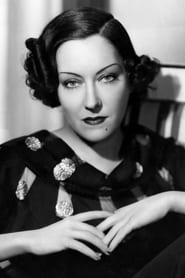
The film was produced during Gloria Swanson's peak period at Paramount, when she was one of the highest-paid stars in Hollywood. The riverboat sequences were likely filmed on studio sets or on location along the Sacramento River, which was commonly used for riverboat scenes in Hollywood productions. The theatrical production numbers within the film required elaborate stage sets and costumes, reflecting the high production values Paramount invested in Swanson's vehicles.
Themes
The contrast between fantasy and realityThe pursuit of fame and its consequencesSmall-town values versus show business glamourLove and jealousy in relationshipsThe American dream of upward mobility
Themes & topics
waitressaspiring actressriverboattheatrical troupelove trianglesmall townshow businessdaydreamscompetitionstage performancecomedy of errorsromantic rivalry
Historical background
Production in 1925 placed Stage Struck among Jazz Age releases competing for attention in a rapidly expanding market. The film was directed by Allan Dwan, and released by Paramount Pictures with the opening and ending sequences filmed in the early two-color Technicolor.
Why this film matters
Retrospective programs include Stage Struck when mapping Jazz Age output across genres and national cinemas.
Making of
The production of 'Stage Struck' took place during a particularly busy period in Gloria Swanson's career, as she was one of Paramount's biggest box office draws. Director Allan Dwan was known for his efficient shooting style and ability to work well with strong-willed stars like Swanson. The film's theatrical sequences required extensive preparation, with the cast learning period-appropriate stage techniques and dances. Behind the scenes, Swanson was known for her meticulous attention to detail and often had input into her costumes and character development. The riverboat set was among the costliest elements of the production, requiring detailed construction to simulate an authentic Mississippi-style showboat. Lawrence Gray and Gertrude Astor reportedly had excellent chemistry during filming, which enhanced their on-screen rivalry. The film's comedy sequences were largely improvised during shooting, with Dwan encouraging the actors to find the humor in their characters' situations.
What critics said
Festival revivals have renewed discussion of Stage Struck among Jazz Age specialists.
Did you know?
- This was Gloria Swanson's first film with director Allan Dwan, though they would later work together again on 'What a Widow!' (1930)
- The film was based on an original story by Forrest Halsey and James Gleason, who were prolific screenwriters during the silent era
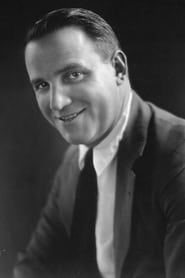
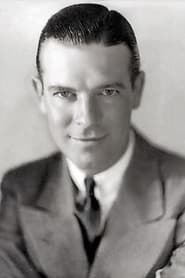
- Lawrence Gray, who played Orme Wilson, was a popular leading man of the 1920s who often appeared opposite major female stars
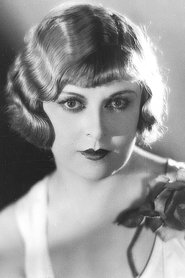
- Gertrude Astor, who played the rival actress Lillian Lyons, was one of Hollywood's most prolific character actresses with over 300 film credits
- The riverboat setting was a popular backdrop in 1920s films, symbolizing both entertainment and the connection between different American communities
- This film was one of several 'backstage' comedies that capitalized on the public's fascination with show business during the Roaring Twenties
- The film's theme of a small-town girl dreaming of stardom reflected the broader American cultural narrative of upward mobility through entertainment
- Swanson performed many of her own stunts and pratfalls in the comedy sequences, demonstrating her versatility beyond dramatic roles
- The theatrical production numbers within the film were choreographed by famed dance director Jack Cunningham
- The movie was released just as the film industry was beginning to transition to sound, making it one of the last major silent comedies of Swanson's Paramount period
Awards & recognition
- No known major awards for this film
Visual style
The cinematography of Stage Struck was handled by James Wong Howe, among the leading innovative cinematographers of the silent era. Howe employed naturalistic lighting techniques that were ahead of their time, particularly in the interior diner scenes where he used practical light sources to create realistic effects. The theatrical sequences featured more dramatic, high-contrast lighting to emphasize the artificiality of stage performance. The riverboat scenes utilized careful composition to create the illusion of movement and space within the constraints of studio filming. Howe's use of soft focus for Swanson's close-ups enhanced her star quality while maintaining the film's overall realistic tone. The camera work during comedy sequences was more dynamic, with movement that emphasized the physical humor and pratfalls. The film's visual style successfully balanced the glamorous aspects of show business with the more grounded reality of small-town life.
Innovations
Stage Struck employed several technical innovations that were notable for 1925. The film's use of elaborate studio sets, particularly the detailed riverboat construction, demonstrated Paramount's commitment to production quality. The theatrical sequences within the film required complex lighting setups to simulate stage lighting effects while remaining visible to the camera. The movie also featured some early examples of special effects techniques used to create the illusion of theatrical magic and transformation. James Wong Howe's cinematography included experimental lighting methods that would influence his later groundbreaking work. The film's editing during comedy sequences showed sophisticated understanding of rhythm and timing for physical humor. While not technically revolutionary compared to some other films of 1925, Stage Struck demonstrated solid craftsmanship and attention to technical detail that characterized Paramount's productions during this period.
Music
As a silent film, Stage Struck would have been accompanied by live musical performance during its original theatrical run. The typical score would have included popular songs of the mid-1920s, classical pieces, and specially composed mood music to accompany the action on screen. The theatrical sequences within the film would have featured period-appropriate show tunes and dance music. Orchestras in larger theaters would have performed more elaborate arrangements, while smaller venues might have used a piano or organ accompaniment. The music would have been carefully synchronized to enhance the emotional tone of each scene, with romantic themes for the love story, upbeat jazz-age music for comedy sequences, and dramatic compositions for moments of conflict. No original recording of the film's score survives, as was typical for silent films before the advent of sound-on-film technology.
Famous quotes
Every girl dreams of the footlights, but not every footlight dreams of every girl
A stage is just a platform until someone stands on it with a dream
In show business, the applause is always louder than the truth
You can't fake real talent, but you can fake everything else in theater
Memorable scenes
- The opening sequence where Jennie daydreams while serving customers at the diner
- The riverboat's arrival in town with the theatrical troupe
- Jennie's disastrous first attempt at performing onstage
- The climactic scene where Jennie must choose between her dreams and reality
What audiences thought
Audience reception to Stage Struck was generally favorable upon its release, as Gloria Swanson was especially popular stars of the mid-1920s. The film performed well at the box office, particularly in urban areas where Swanson's fan base was strongest. Moviegoers appreciated the film's mix of comedy, romance, and behind-the-scenes theatrical elements. The riverboat setting and production numbers were especially popular with audiences who enjoyed lavish musical and theatrical sequences in their films. The film's relatable story of a small-town girl with big dreams resonated with many viewers during the optimistic 1920s. While not as remembered today as some of Swanson's other works from this period, contemporary audience feedback suggests it was considered an entertaining and satisfying star vehicle that delivered the expected elements of a Swanson picture.
Film connections
Influenced by
- Earlier backstage comedies of the 1920s
- The tradition of showboat entertainment in American culture
- Contemporary fascination with celebrity culture
- Silent era comedy techniques pioneered by Chaplin and Keaton
This film influenced
- Later backstage musicals and comedies
- Films exploring the gap between stardom and reality
- Small-town versus big city narratives in cinema
Film restoration
Stage Struck survives in complete form and has been preserved by film archives. While not as widely available on home media as some of Swanson's more famous films, copies exist in major film archives including the Library of Congress and the UCLA Film & Television Archive. The film has undergone restoration work to preserve surviving 35mm elements. Some versions may show signs of deterioration typical of films from this era, but it is not considered a lost film.
Where to watch
- Available through specialized film archives and classic film societies
- Occasionally screened at silent film festivals and revival houses
- May be available through educational film distribution services
- Possible availability through public domain sources or specialized streaming services focusing on classic cinema