
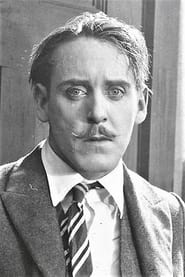
Films
4 films

About Robert Cain
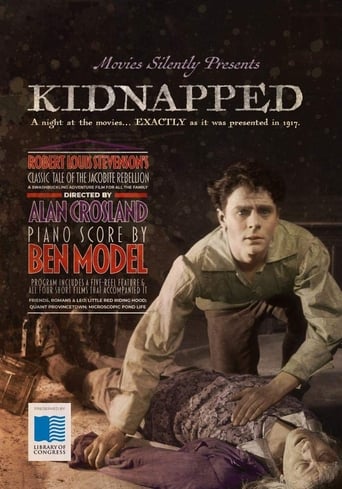
Silent film actor who had a brief but notable career during the transitional period of American cinema in the late 1910s. His filmography, though limited, includes work on two significant productions of the era: the 1917 adaptation of Robert Louis Stevenson's 'Kidnapped' and Cecil B. DeMille's 1919 film 'Male and Female.' Cain appeared during the golden age of silent cinema when the industry was rapidly evolving from short films to feature-length productions. His only from 1917 to 1919, suggesting he may have been among the many actors who briefly participated in the early film industry before pursuing other endeavors. The fact that he worked with a prominent director like Cecil B. DeMille indicates he had some level of professional recognition, despite his short tenure in the industry. Like many actors from this period, detailed records of his life and career are scarce, reflecting the transient nature of early Hollywood and the lack of comprehensive documentation for supporting performers.
The Craft
Milestones
- Appeared in 'Kidnapped' (1917), an adaptation of the classic Robert Louis Stevenson novel
- Worked with legendary director Cecil B. DeMille on 'Male and Female' (1919)
- Participated during the pivotal transition period of silent cinema to feature films
Best Known For
Must-See Films
Working Relationships
Worked Often With
Why They Matter
Impact on Culture
Robert Cain's contribution to cinema, while brief, represents the collective work of countless supporting actors who helped build the foundation of American film during its formative years. His appearance in Cecil B. DeMille's 'Male and Female' places him within the context of. The films Cain appeared in reflect the literary adaptations and sophisticated comedies that characterized late 1910s American cinema, as the industry moved toward more complex narratives and higher production values.
Lasting Legacy
Robert Cain's legacy is primarily preserved through his participation in two notable films from the silent era. 'Male and Female' (1919) has survived as an important example of Cecil B. DeMille's early work and continues to be studied by film historians. While Cain himself did not achieve lasting fame, his contribution to these productions represents the essential work of character actors and supporting players who brought depth and authenticity to early cinema. His brief career exemplifies the transient nature of early Hollywood, where many actors participated in the burgeoning film industry during its most experimental and exciting period.
Who They Inspired
As a minor actor with a very brief career, Robert Cain's direct influence on other performers or filmmakers is not documented. However, like all actors who worked during this pivotal period, he contributed to the development of film acting techniques and the establishment of cinema as a legitimate art form. His work with established directors and in major productions would have been part of the collective learning process that helped define the language of silent film performance.
Off Screen
Very little personal information is available about Robert Cain, which is typical for many supporting actors from the silent era who had brief careers in the film industry.
Did You Know?
- Robert Cain's entire known filmography consists of only two films spanning two years (1917-1919)
- His second film, 'Male and Female' (1919), was directed by Cecil B. DeMille, one of Hollywood's most influential early directors
- 'Male and Female' starred Gloria Swanson, who would become one of the biggest stars of the silent era
- The first film he appeared in, 'Kidnapped' (1917), was based on the classic novel by Robert Louis Stevenson
- His career coincided with World War I, a period that saw significant changes in the American film industry
- Like many actors from this period, no photographs or detailed biographical information about Cain are readily available
- The brevity of his career was not uncommon for actors in early Hollywood, where many tried but few achieved lasting success
Frequently Asked Questions
Who was Robert Cain?
Silent film with credits in this catalog. He worked during a pivotal period in American cinema when the industry was transitioning to feature-length productions.
What films is Robert Cain best known for?
Titles linked here include Kidnapped (1917), Male and Female (1919).
When was Robert Cain born and when did he die?
Specific birth and death dates for Robert Cain are not documented in available historical records, which is common for minor actors from the silent era who had brief careers in early Hollywood.
What awards did Robert Cain win?
There are no recorded awards or nominations for Robert Cain, which was typical for supporting actors of his era during the early years of American cinema before major award systems were established.
What was Robert Cain's acting style?
Specific details about Robert Cain's acting style are not documented in available sources. However, as a silent film actor from the late 1910s, he would have used the exaggerated gestures and facial expressions characteristic of the period before more naturalistic styles developed.