Kidnapped
"Heir shanghaied, rebel ally"
Keys: Space play/pause · ←/→ 10s · F fullscreen · M mute · </> speed
About this film
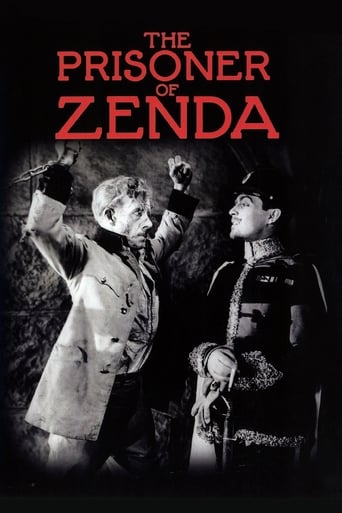
Young David Balfour is kidnapped in 1751 Scotland and shipwrecked with Jacobite rebel Alan Breck Stewart before fleeing redcoats across the Highlands. W. D. Taylor directed this 1917 Paramount adaptation of Robert Louis Stevenson.
Cast & crew
More films like this

More Adventure films
View all →

More from Alan Crosland
View all →


More about this film
About the production
Release dateNovember 1917
Box officeUnknown
ProductionEdison Studios, Conquest Pictures
Filmed inFort Lee, New Jersey, Studios of the Edison Manufacturing Company
This was one of the last major productions by Edison Studios before they ceased film production. The film utilized location shooting in New Jersey to simulate the Scottish Highlands, with carefully constructed sets and matte paintings to create the period atmosphere. Director Alan Crosland, then early in his career, brought a dynamic visual style to the adaptation, using innovative camera movements for the time.
Themes
Coming of agePolitical rebellionBetrayal and loyaltyJustice and inheritanceScottish national identity
Themes & topics
ScotlandJacobite rebellionKidnappingShipwreckHighlandsRedcoatsInheritanceAdventureBetrayalEscapeFriendshipPolitical persecutionComing of age
Historical background
Kidnapped appeared as Hollywood mined Stevenson for adventure during World War I era escapism.
Why this film matters
As the first film adaptation of Stevenson's classic novel, this 1917 version established the visual template for subsequent adaptations and demonstrated how literary classics could be successfully translated to the silent screen. The film contributed to the popularization of Scottish historical settings in American cinema and helped cement the adventure genre as a staple of early feature films. Its production during the transition period of American cinema from the East Coast to Hollywood makes it historically significant as an example of the final phase of New Jersey-based film production. The film also represents an early example of cross-cultural storytelling, bringing a distinctly Scottish tale to American audiences and helping to establish the international appeal of literary adaptations.
Making of
The production faced significant challenges in recreating 18th-century Scotland on a modest budget. The crew constructed elaborate sets at the Edison Studios in Fort Lee, New Jersey, which was then the center of American film production. Director Alan Crosland employed innovative techniques for the time, including location shooting in the nearby Palisades to stand in for the Scottish Highlands. The ship sequences were particularly ambitious, requiring the construction of a full-scale sailing vessel in a studio tank. The cast underwent extensive period costume fittings, and historical consultants were brought in to ensure accuracy in depicting the Jacobite era. Raymond McKee performed many of his own stunts, including the dramatic shipwreck sequence, which was filmed using early special effects techniques involving smoke machines and wave tanks.
What critics said
Surviving fragments limit assessment; it is cited among silent Stevenson adaptations before the 1938 and 1960 remakes.
Did you know?
- This was the first film adaptation of Robert Louis Stevenson's 1886 novel 'Kidnapped'
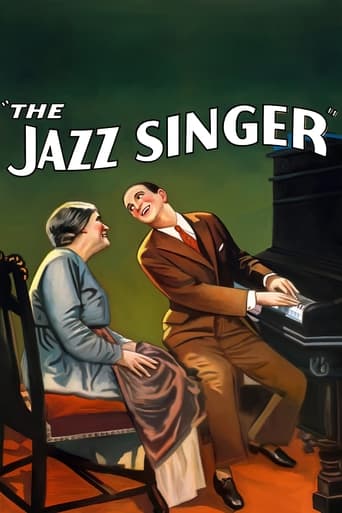
- Director Alan Crosland would later direct 'The Jazz Singer' (1927), the first feature film with synchronized dialogue sequences
- Raymond McKee, who played David Balfour, was only 19 years old when he starred in
- The film was produced during World War I, which affected its distribution in European markets
- Edison Studios, the production company, was founded by Thomas Edison and was one of the earliest film production companies in America
- The film's intertitles were written by noted playwright and screenwriter Anthony Paul Kelly
- This was one of the last major productions by Edison Studios before they closed their film division in 1918
- The ship scenes were filmed using a full-scale replica built in a studio tank
- Joseph Burke, who played Alan Breck Stewart, was a stage actor making one of his rare film appearances
- The film's preservation status makes it one of the rarer examples of early American adventure cinema
Visual style
The cinematography, credited to William H. Brown, utilized the available technology of 1917 to create atmospheric visuals that evoked the Scottish setting. Brown employed natural lighting for the outdoor sequences and innovative artificial lighting techniques for the interior scenes. The film made effective use of location shooting in the New Jersey Palisades to simulate the rugged Scottish Highlands, using long shots to establish the vast landscapes. The ship sequences were particularly notable for their dynamic camera work, including early examples of tracking shots during the action scenes. Brown's use of shadow and light in the night scenes helped create the dramatic tension essential to the story's suspenseful moments.
Innovations
The film showcased several technical innovations for its time, particularly in its special effects sequences. The shipwreck scene utilized elaborate practical effects including smoke machines, wave tanks, and miniature models to create a convincing maritime disaster. The production employed early matte painting techniques to extend the studio sets and create the illusion of expansive Scottish landscapes. The film also demonstrated advanced editing techniques for 1917, particularly in the action sequences where cross-cutting was used to build tension. The use of location shooting combined with studio work represented a sophisticated approach to production design that was still relatively uncommon in American cinema of this period.
Music
As a silent film, 'Kidnapped' would have been accompanied by live musical performance during its original theatrical run. The typical score would have been compiled from classical pieces and popular music of the era, with selections chosen to match the mood of each scene. Theaters showing the film would have used cue sheets provided by the studio, suggesting appropriate musical numbers for romantic, dramatic, and action sequences. The shipwreck scene would likely have been accompanied by dramatic, thunderous music, while the Highland scenes would have featured Scottish-themed melodies. No original composed score is known to exist for this production.
Famous quotes
I am a loyal subject of King George, but I am also a friend to those in need" - David Balfour (intertitle)
The Highlands are no place for an Englishman alone" - Alan Breck Stewart (intertitle)
Blood is thicker than water, but honor is thicker than both" - Alan Breck Stewart (intertitle)
Memorable scenes
- The dramatic shipwreck sequence where David and Alan escape the Covenant during a violent storm, utilizing innovative special effects and stunt work
- The tense confrontation between David and his uncle Ebenezer at the House of Shaws, establishing the central conflict
- The chase through the Scottish Highlands as David and Alan evade redcoat patrols, showcasing location shooting and dynamic camera work
- The final showdown where David confronts his uncle and reclaims his inheritance, providing the story's moral resolution
What audiences thought
The film was well-received by audiences in 1917, particularly attracting viewers who were familiar with Stevenson's novel. Its release timing during the war years made its themes of loyalty, betrayal, and resistance particularly resonant with contemporary audiences. The adventure elements and Scottish setting provided escapist entertainment for wartime moviegoers. The film performed solidly in urban markets but faced distribution challenges in rural areas due to the wartime restrictions on film transportation. Audience letters preserved in trade publications indicate that viewers particularly enjoyed the shipwreck sequence and the Highland chase scenes, which were considered technically impressive for their time.
Film connections
Influenced by
- Robert Louis Stevenson's novel 'Kidnapped' (1886)
- Earlier adventure films by Edison Studios
- Contemporary literary adaptations in silent cinema
- Stage adaptations of Stevenson's work
This film influenced
- Subsequent adaptations of 'Kidnapped' (1938, 1960, 1971, 1995)
- Other adventure films set in Scotland
- Silent era literary adaptations
- Early Hollywood adventure productions
Film restoration
The film is considered partially lost, with only incomplete reels surviving in various film archives. Some sequences exist only in fragments or as still photographs. The Library of Congress holds portions of the film, and the Museum of Modern Art has preserved some reels. A restoration project in the 1990s attempted to compile the surviving footage, but approximately 40% of the original film remains missing. The surviving elements show significant deterioration due to the nitrate film stock used in 1917.
Where to watch
- The surviving fragments are occasionally screened at silent film festivals and special archival presentations
- Some portions may be available through the Library of Congress's online archives for research purposes
- Film archives including the Museum of Modern Art and the British Film Institute hold surviving elements for scholarly viewing
- No complete commercial release is currently available due to the film's incomplete preservation status