Films
3 films
About Walter Craven
American silent film actor who had a brief but notable career during the early years of American cinema. Active primarily between 1913 and 1917, he appeared in several feature films during the transitional period when cinema was evolving from short subjects to longer narrative films. Craven worked during the golden age of silent film production, likely with East Coast studios before the industry fully migrated to Hollywood. His filmography includes adaptations of literary works such as 'Ivanhoe' (1913) and 'Kidnapped' (1917), suggesting he was cast in period pieces and dramatic productions. Like many actors of his era, Craven's career was relatively short, possibly ending with the onset of World War I or as the film industry underwent significant changes in the late 1910s. His work represents the contributions of the many supporting actors who helped establish the foundation of American cinema during its formative years.
The Craft
Milestones
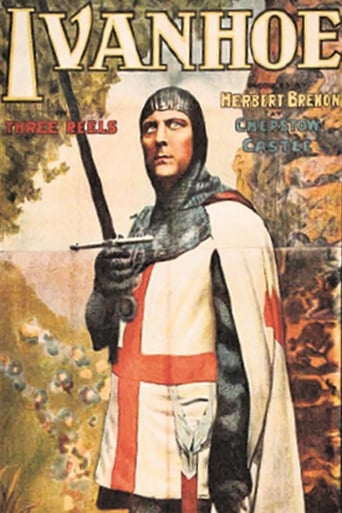
- Appeared in Ivanhoe (1913), one of the early feature film adaptations
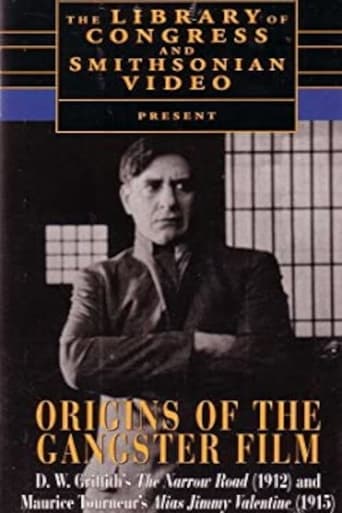
- Starred in Alias Jimmy Valentine (1915)
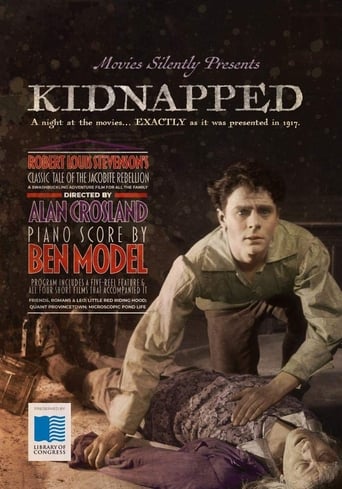
- Performed in Kidnapped (1917)
- Worked during the transitional period of American cinema
- Participated in early literary adaptations on film
Best Known For
Must-See Films
Why They Matter
Impact on Culture
Walter Craven's contribution to cinema, while not widely documented, represents the work of the many actors who helped establish the foundation of American film during its formative years. His appearances in early feature films and literary adaptations demonstrate the evolving nature of cinema as it moved toward more sophisticated storytelling. Actors like Craven were essential in bringing classic literature to the screen, helping to legitimize film as an art form capable of adapting respected literary works. His work in the mid-1910s places him among the generation of performers who bridged the gap between the earliest short films and the emergence of the feature film as the dominant format.
Lasting Legacy
Walter Craven's legacy is preserved through the surviving films in which he appeared, particularly the early adaptations of literary classics. While not a major star, his participation in films like 'Ivanhoe' and 'Kidnapped' places him among the actors who helped establish cinema as a medium for serious dramatic storytelling. His brief career during a crucial transitional period in film history makes him representative of the many actors whose work contributed to the development of American cinema, even if their individual stories remain largely untold.
Who They Inspired
As a supporting actor from the silent era, Walter Craven's direct influence on subsequent generations of performers is difficult to trace. However, his work in early feature films contributed to the establishment of acting conventions and techniques that would be refined by later generations. His participation in literary adaptations helped demonstrate the potential of cinema as a medium for bringing classic stories to new audiences, influencing how future filmmakers would approach literary adaptations.
Off Screen
Very little is documented about Walter Craven's personal life, which is typical for many supporting actors from the silent era who were not major stars. Like many early film performers, his life story remains largely unrecorded in historical archives.
Did You Know?
- Walter Craven's active years covered only four years, from 1913 to 1917
- He appeared in three surviving feature films from the silent era
- All three of his known films were adaptations of literary works
- His career coincided with the transition from short films to feature-length productions
- Like many early film actors, detailed biographical information about him is scarce
- He worked during the period when American film production was shifting from the East Coast to Hollywood
- His filmography represents the type of supporting roles that were essential to early feature films
- The films he appeared in were produced during World War I, a period of significant change in the film industry
Frequently Asked Questions
Who was Walter Craven?
American silent film with credits in this catalog.
What films is Walter Craven best known for?
Titles linked here include Ivanhoe (1913), Alias Jimmy Valentine (1915).
When was Walter Craven active in films?
Walter Craven had a brief film career spanning from 1913 to 1917, during the transitional period when American cinema was evolving toward feature-length productions.
What type of roles did Walter Craven typically play?
While specific role details are scarce, Craven appeared in literary adaptations and dramatic films, suggesting he was cast in supporting roles during the early feature film era.
Why is there limited information about Walter Craven?
Limited documentation about Walter Craven is typical for many supporting actors from the silent era who weren't major stars, as detailed records were often not maintained for performers in smaller roles during cinema's early years.