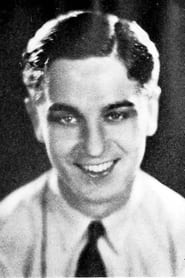
Ray Hallor
Actor
Born: November 16, 1896 in St. Louis, Missouri, USA Died: May 7, 1958 Active: 1917-1925 Birth Name: Raymond Hallor
Films
2 films
About Ray Hallor
American actor who worked primarily during the silent film era, appearing in numerous films between 1917 and 1925. Born in St. Louis, Missouri, Hallor began his film career in 1917 with appearances in several productions including 'Kidnapped' and 'The Great Secret.' He quickly became a prolific character actor, often cast as villains or supporting characters in both feature films and serial productions. Throughout his relatively brief career, Hallor appeared in approximately 30 films, working with various studios including Universal and independent production companies. His most notable works include 'The House of Hate' (1918), 'The Mystery of the Double Cross' (1917), and 'The Last Edition' (1925). Hallor married fellow actress Mary MacLaren in 1922, but their marriage ended in divorce three years later, coinciding with his retirement from acting. After leaving the film industry, Hallor largely disappeared from public life, living in Los Angeles until his death in 1958 at the age of 61.
The Craft
On Screen
Hallor specialized in character roles, often portraying villains or antagonists in melodramatic silent films. His style was typical of the era, emphasizing exaggerated facial expressions and physical gestures to convey emotion in the absence of dialogue.
Milestones
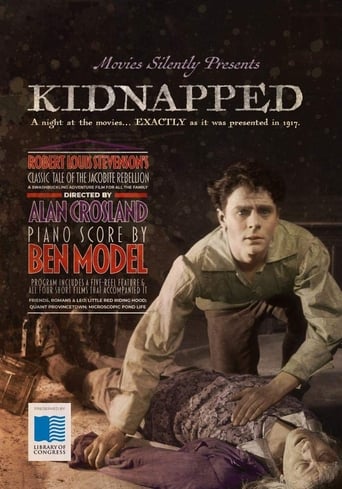
- Film debut in 'Kidnapped' (1917)
- Prolific appearance in silent film serials
- Marriage to actress Mary MacLaren (1922-1925)
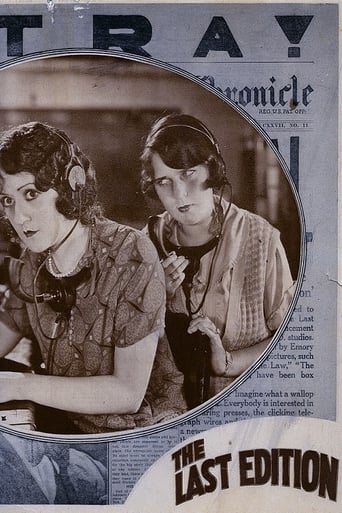
- Final film appearance in 'The Last Edition' (1925)
Best Known For
Iconic Roles
Must-See Films
Working Relationships
Worked Often With
Studios
Why They Matter
Impact on Culture
Ray Hallor represents the countless supporting actors who formed the backbone of the silent film industry. While never achieving star status, his work in serials and melodramas contributed to the development of early American cinema storytelling techniques. His appearances in popular serials like 'The House of Hate' helped establish the cliffhanger format that would become a staple of serialized entertainment across different media.
Lasting Legacy
Though largely forgotten today, Ray Hallor's filmography provides valuable insight into the structure of silent era film production. His career trajectory from supporting player to retirement during the transition to sound films mirrors the experience of many actors of his generation who could not or chose not to adapt to the new technology. His films survive as historical artifacts documenting the evolution of American cinema.
Who They Inspired
As a character actor rather than a star, Hallor's direct influence on subsequent performers was limited. However, his work in silent film serials contributed to the development of genre conventions that would influence later action films and television series.
Off Screen
Ray Hallor married actress Mary MacLaren in 1922, who was a prominent silent film star known for her work with Universal Pictures. Their marriage was relatively short-lived, ending in divorce in 1925, which coincided with Hallor's retirement from the film industry. After leaving acting, Hallor lived a private life in Los Angeles, maintaining little public presence until his death. He had no known children from his marriage to MacLaren.
Education
No formal education records available
Family
- Mary MacLaren (1922-1925)
Did You Know?
- Appeared in over 30 films in just 8 years
- Married to a more famous actress, Mary MacLaren
- Retired from acting the same year his divorce was finalized
- Many of his films were part of popular serial formats
- His active years covered the peak years of silent film production
- Worked primarily with Universal Pictures on serial productions
- No known surviving interviews or personal writings
- His exact reasons for retiring from film remain unknown
- Died relatively young at age 61
- Most of his films are now considered lost or only partially survive
Frequently Asked Questions
Who was Ray Hallor?
American with credits in this catalog.
What films is Ray Hallor best known for?
Titles linked here include Kidnapped (1917), The Last Edition (1925).
When was Ray Hallor born and when did he die?
Born November 16, 1896; died May 7, 1958.
What awards did Ray Hallor win?
Ray Hallor did not receive any major awards or nominations during his career, which was typical for supporting actors of the silent era who worked primarily in genre films and serials.
What was Ray Hallor's acting style?
Hallor's acting style was characteristic of the silent film era, emphasizing exaggerated facial expressions and physical gestures to convey emotion, particularly suited to his frequent roles as villains in melodramatic productions.