Albert MacQuarrie
Actor
Born: December 8, 1878 in San Francisco, California, USA Died: February 28, 1950 Active: 1912-1932
Films
6 films


About Albert MacQuarrie
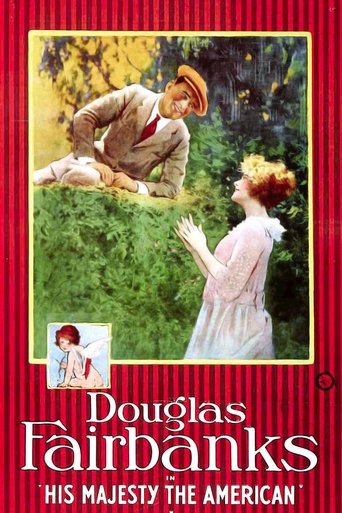
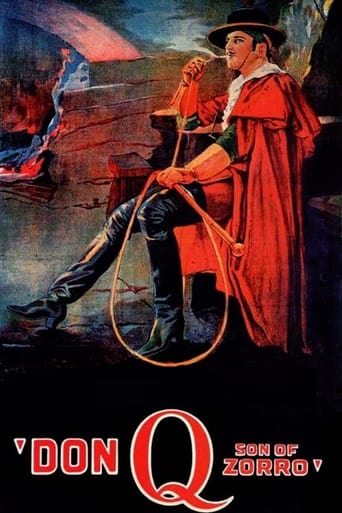
Prolific American character actor who flourished during the silent film era, appearing in over 100 films between 1912 and 1932. Born in San Francisco in 1878, he began his film career with the American Film Company before transitioning to work with major studios like Paramount and United Artists. MacQuarrie developed a reputation as a reliable supporting actor, frequently appearing in Douglas Fairbanks productions including 'His Majesty, the American' (1919), 'When the Clouds Roll By' (1919), 'Don Q Son of Zorro' (1925), and 'The Gaucho' (1927). His distinctive appearance and commanding presence made him ideal for playing authority figures, villains, and character roles throughout the 1920s. As the film industry transitioned to sound, MacQuarrie's opportunities diminished, though he continued to appear in minor roles through the early 1930s before retiring from acting. His the entire golden age of silent cinema, making him a witness to and participant in transformative periods in film history.
The Craft
On Screen
MacQuarrie was known for his commanding screen presence and versatility in character roles. He employed the exaggerated gestures and expressive techniques typical of silent film acting, but with a naturalistic quality that made his performances believable. His tall stature and distinctive features made him particularly effective in authority roles, villains, and character parts that required gravitas.
Milestones
- Appeared in over 100 films during the silent era
- Frequent collaborator with Douglas Fairbanks
- Transitioned from shorts to feature films
- Worked with major studios including Paramount and United Artists
- Appeared in several landmark silent films
Best Known For
Iconic Roles
Must-See Films
Working Relationships
Worked Often With
Studios
Why They Matter
Impact on Culture
Albert MacQuarrie contributed significantly to the golden age of silent cinema as a reliable character actor who supported major stars in their most celebrated films. His work with Douglas Fairbanks helped establish the swashbuckling adventure genre that would influence action cinema for decades. Though often uncredited or playing minor roles, his performances added depth and authenticity to some of the most important films of the silent era, helping to create the immersive worlds that audiences of the time loved.
Lasting Legacy
MacQuarrie's legacy lies in his substantial body of work during the transformative period of American cinema. While not a major star, his consistent presence in over 100 films makes him an important figure in the history of silent film. His collaborations with Douglas Fairbanks in particular have ensured his place in film history, as these films continue to be studied and appreciated by cinema historians and enthusiasts. His career represents the journey of countless character actors who formed the backbone of Hollywood's golden age.
Who They Inspired
As a character actor, MacQuarrie's influence was primarily through his work with and support of major stars like Douglas Fairbanks. His performances helped establish archetypes for supporting characters in adventure films and swashbucklers. His ability to play both authority figures and villains effectively influenced how these character types would be portrayed in subsequent films of the genre.
Off Screen
Albert MacQuarrie maintained a relatively private personal life away from the Hollywood spotlight. He married actress and screenwriter Margaret Landis in 1920, though the marriage eventually ended in divorce. Little is publicly documented about his family life or personal interests outside of his film career. He spent his final years in Los Angeles, where he passed away at the age of 71.
Education
No formal education information available
Family
- Margaret Landis (1920-1925, divorced)
Did You Know?
- Appeared in over 100 films during his 20-year career
- Frequently worked with Douglas Fairbanks in the 1920s
- Was married to actress Margaret Landis from 1920-1925
- Began his career with the American Film Company
- Made the transition from short films to feature films
- His active years covered the entire silent era
- Appeared in both comedies and dramatic films
- Often played authority figures due to his tall stature
- Worked with major directors of the silent era
- Made only a few appearances in early sound films
Frequently Asked Questions
Who was Albert MacQuarrie?
Screen credits include over 100 films between 1912 and 1932. He was known for his work as a character actor, frequently collaborating with Douglas Fairbanks in adventure films during the 1920s.
What films is Albert MacQuarrie best known for?
Titles linked here include His Majesty, the American (1919), When the Clouds Roll By (1919).
When was Albert MacQuarrie born and when did he die?
Born December 8, 1878; died February 28, 1950.
What awards did Albert MacQuarrie win?
There are no records of Albert MacQuarrie receiving major awards or nominations during his career. Like many character actors of his era, his contributions were primarily through his extensive body of work rather than formal recognition.
What was Albert MacQuarrie's acting style?
MacQuarrie employed the expressive techniques typical of silent film acting but with a naturalistic quality. His commanding presence and distinctive features made him particularly effective in authority roles, villains, and character parts that required gravitas.
Did Albert MacQuarrie transition to sound films?
MacQuarrie made only a few appearances in early sound films in the early 1930s before retiring from acting in 1932. His career was primarily concentrated in the silent era, where he achieved his greatest success.
Was Albert MacQuarrie married?
Yes, Albert MacQuarrie was married to actress and screenwriter Margaret Landis from 1920 to 1925. The marriage ended in divorce.