
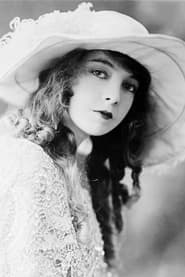
Lillian Gish
Actor
Born: October 14, 1893 in Springfield, Ohio, United States Died: February 27, 1993 Active: 1912-1987 Birth Name: Lillian Diana Gish
Films
29 films
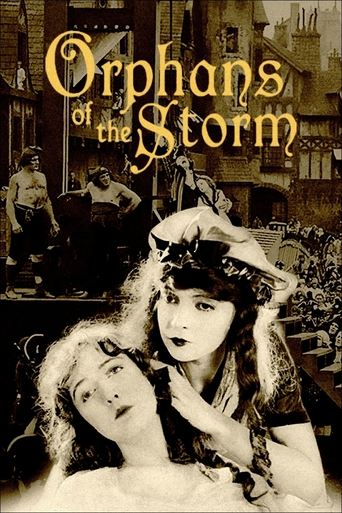
Orphans of the Storm
1921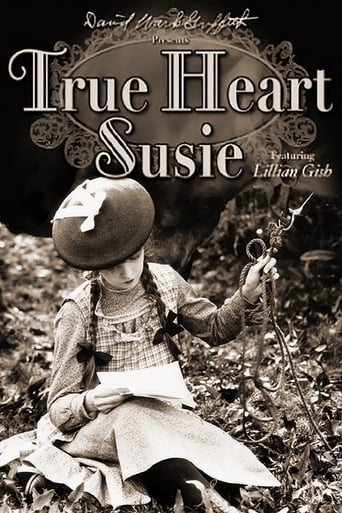
True Heart Susie
1919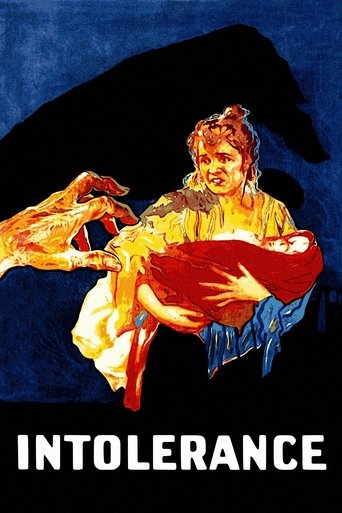
Intolerance: Love's Struggle Throughout the Ages
1916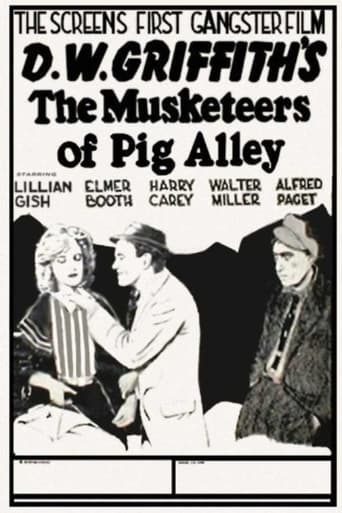
The Musketeers of Pig Alley
1912
Judith of Bethulia
1914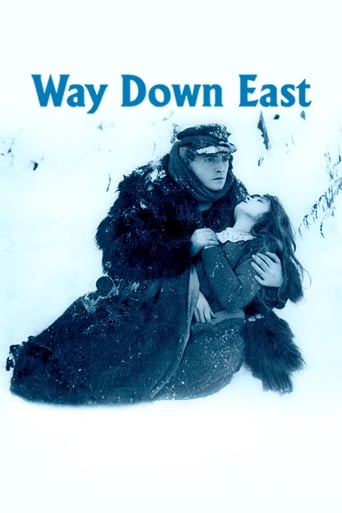
Way Down East
1920
The New York Hat
1912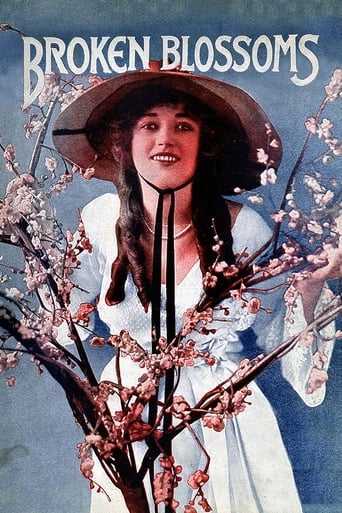
Broken Blossoms or The Yellow Man and the Girl
1919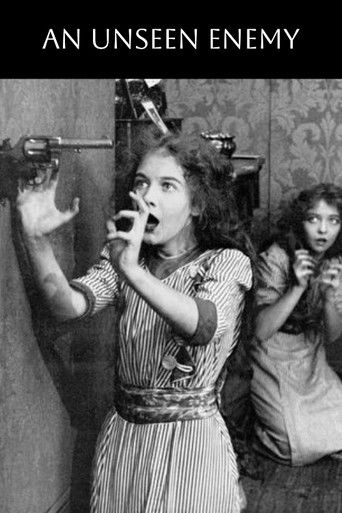
An Unseen Enemy
1912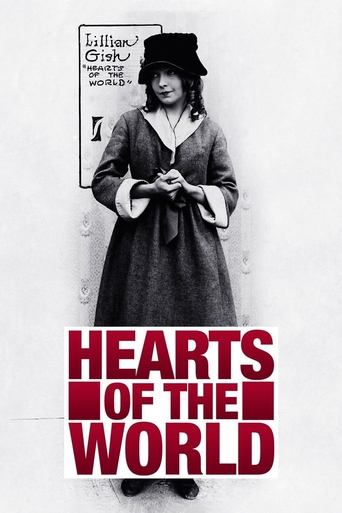
Hearts of the World
1918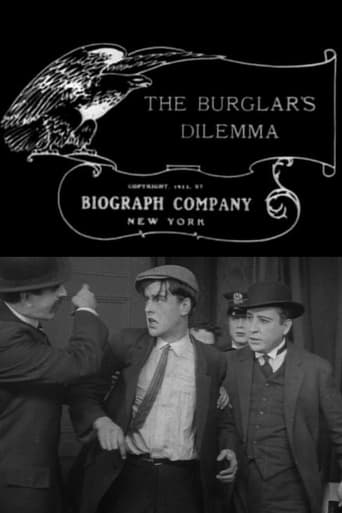
The Burglar’s Dilemma
1912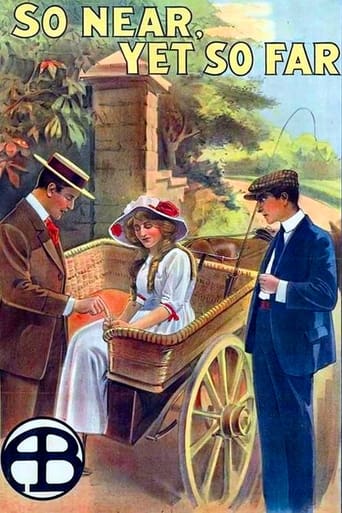
So Near, Yet So Far
1912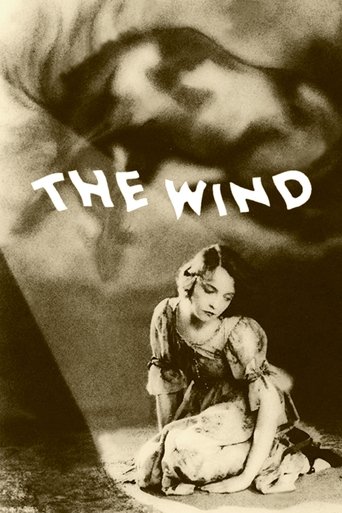
The Wind
1928
The Mothering Heart
1913
Romola
1924
Home, Sweet Home
1914
The Battle at Elderbush Gulch
1913
The Painted Lady
1912
The Greatest Question
1919
A Romance of Happy Valley
1919
The House of Darkness
1913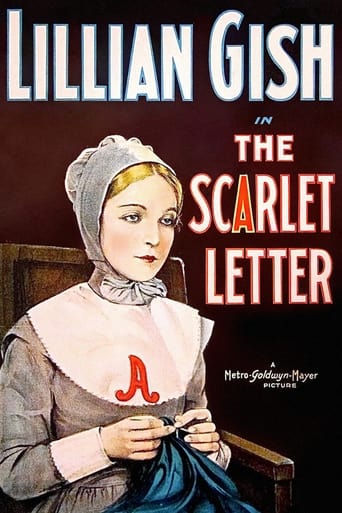
The Scarlet Letter
1926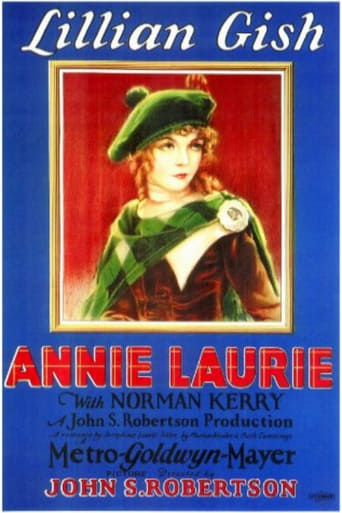
Annie Laurie
1927
Brutality
1912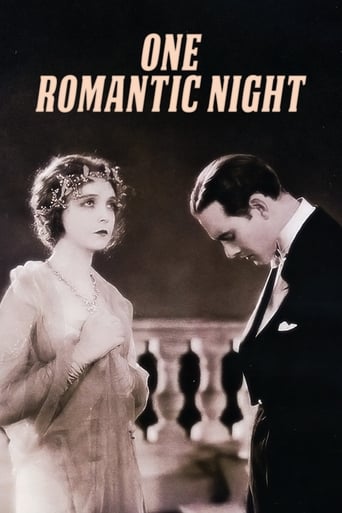
One Romantic Night
1930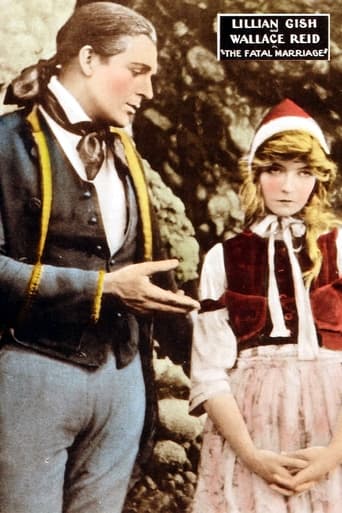
Enoch Arden
1915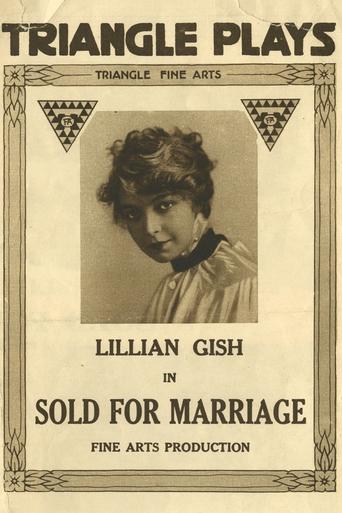
Sold for Marriage
1916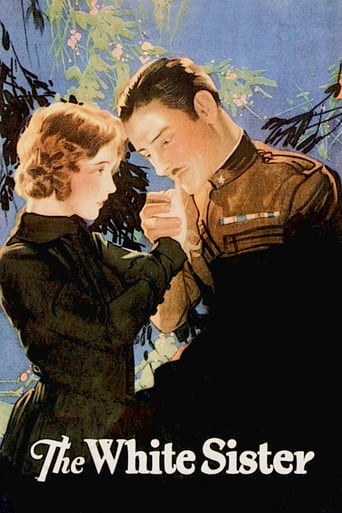
The White Sister
1923About Lillian Gish
Lillian Diana Gish was and actresses in cinema history, whose remarkable an unprecedented 75 years from the silent era through the late 1980s. Discovered by director D.W. Griffith in 1912, she became his muse and starred in many of his most films, including the controversial but technically innovative 'The Birth of a Nation' (1915) and the epic 'Intolerance' (1916). Gish perfected a subtle, naturalistic acting style that was revolutionary for its time, using nuanced facial expressions and delicate gestures to convey emotion on screen. During the 1920s, she became one of the highest-paid stars in Hollywood and formed her own production company before transitioning successfully to sound films. Her career experienced a major renaissance in the 1940s with powerful performances in films like 'Duel in the Sun' (1946), which earned her an Academy Award nomination. In her later years, Gish continued working prolifically in film and television, delivering memorable performances in 'The Night of the Hunter' (1955), 'A Wedding' (1978), and her final film 'The Whales of August' (1987). She received an honorary Academy Award in 1971 for her 'superlative artistry and for contribution to the progress of motion pictures,' cementing her legacy as one of cinema's true pioneers and most enduring talents.
The Craft
On Screen
Lillian Gish developed a revolutionary naturalistic acting style that contrasted sharply with the exaggerated theatrical techniques common in early cinema. She pioneered the use of subtle facial expressions, delicate hand movements, and restrained emotional delivery, believing that the camera could capture the smallest nuances of human feeling. Her performances were characterized by their emotional authenticity, physical grace, and remarkable ability to convey complex inner states through minimal gestures. Gish often employed techniques she called 'the economy of motion,' using precise, controlled movements to maximum emotional effect. Her approach influenced generations of film actors and helped establish screen acting as a distinct art form separate from stage performance.
Milestones
- Breakthrough collaboration with D.W. Griffith beginning in 1912
- Starred in 'The Birth of a Nation' (1915),
- Led role in 'Intolerance' (1916), Griffith's ambitious epic
- performance in 'Broken Blossoms' (1919)
- Critically acclaimed role in 'Way Down East' (1920)
- Academy Award nomination for 'Duel in the Sun' (1946)
- Received Honorary Academy Award in 1971
- Career-spanning 75 years in film and television
Best Known For
Iconic Roles
Must-See Films
Accolades
Won
- Academy Honorary Award (1971) for superlative artistry and contribution to the progress of motion pictures
- National Board of Review Award for Best Actress (1946) for Duel in the Sun
- New York Film Critics Circle Award for Best Actress (1946) for Duel in the Sun
- Golden Globe for Best Supporting Actress (1987) for The Whales of August
- David di Donatello Award (1975)
- Kennedy Center Honors (1982)
Nominated
- Academy Award nomination for Best Actress (1946) for Duel in the Sun
- Academy Award nomination for Best Supporting Actress (1970) for Hailey's Hints
- BAFTA Film Award nomination for Best Actress (1971) for Hailey's Hints
- Emmy Award nomination for Outstanding Lead Actress in a Limited Series (1988) for The War Between the Tates
Special Recognition
- Hollywood Walk of Fame star at 1650 Vine Street
- American Film Institute Life Achievement Award (1984)
- Kennedy Center Honors recipient (1982)
- National Women's Hall of Fame inductee
- AFI's Greatest Screen Legends ranking (#17 among female stars)
- Presidential Medal of Freedom (posthumous consideration)
- Lincoln Center Film Society tribute (1975)
Working Relationships
Worked Often With
Studios
Why They Matter
Impact on Culture
Lillian Gish fundamentally transformed the art of screen acting, a naturalistic style that film performance from stage acting and established the foundation for modern cinema acting techniques. Her collaborations with D.W. Griffith helped create the visual language of narrative cinema, and her performances demonstrated how subtle emotional expression could be powerfully conveyed through the camera lens. Gish's work challenged the prevailing theatrical approach to acting, proving that restraint and authenticity could create more profound emotional impact than exaggerated gestures. She also helped establish the star system in Hollywood, becoming one of the first true film celebrities and paving the way for future generations of movie stars. Her advocacy for film preservation and her efforts to save early cinema classics helped ensure that the foundations of film history would remain accessible to future generations.
Lasting Legacy
Lillian Gish's legacy as 'The First Lady of American Cinema' encompasses her contributions to film acting, her role in establishing cinema as a legitimate art form, and her remarkable 75-year career that spanned from the birth of narrative film to the modern era. She demonstrated that film acting required a distinct set of skills and techniques separate from theatrical performance, influencing countless actors who followed. Her work preserved in classic films like 'The Birth of a Nation,' 'Broken Blossoms,' and 'The Night of the Hunter' continues to be studied by film students and admired by cinema enthusiasts. Beyond her artistic contributions, Gish's dedication to film preservation and her efforts to document early cinema history through her writings and interviews have proven invaluable to film scholars. Her ability to reinvent herself across different eras of filmmaking, from silent films through sound and into television, serves as a model of artistic adaptability and longevity.
Who They Inspired
Lillian Gish's influence on cinema is immeasurable, extending from her immediate impact on early film acting techniques to her lasting effect on generations of performers and filmmakers. Her naturalistic acting style directly influenced the transition from theatrical to cinematic performance methods, inspiring actors like Bette Davis, who cited Gish as a major influence, and later method actors who valued authentic emotional expression. Directors such as Ingmar Bergman and François Truffaut praised her work and studied her techniques. Her collaborations with D.W. Griffith helped establish fundamental cinematic techniques including close-ups, cross-cutting, and camera movement that became standard film language. Gish's success as an independent producer in the 1920s also paved the way for future actors seeking creative control over their projects. Her advocacy for film preservation influenced the establishment of film archives and restoration programs worldwide.
Off Screen
Lillian Gish never married, though she had several significant romantic relationships throughout her life, including with producer Charles Duell and director D.W. Griffith. She was deeply devoted to her sister Dorothy Gish, also an actress, and the two maintained a close bond throughout their lives. Gish was known for her strong work ethic and dedication to her craft, often prioritizing her career over personal relationships. She was a passionate advocate for film preservation and worked tirelessly to save early cinema classics. In her later years, she became a respected author, writing several books including her autobiography 'The Movies, Mr. Griffith, and Me' (1969). She was also involved in theater productions and appeared on Broadway multiple times throughout her career.
Education
Attended Ursuline Academy in East St. Louis, Illinois; studied dance and acting from an early age; informal education in theater and film through practical experience
Did You Know?
- Credits cover 75 years in this catalog, from 1912 to 1987, making her one of the longest-working performers in film history
- She was nicknamed 'The First Lady of American Cinema' for her contributions to film
- Her sister Dorothy Gish was also a famous actress, and they often appeared together in films
- She was discovered by D.W. Griffith while working as a model in New York
- She performed her own stunts in 'Way Down East' (1920), including a famous scene where she floated on ice floes
- She was one of the co-founders of the Academy of Motion Picture Arts and Sciences
- She never won a competitive Academy Award but received an honorary Oscar in 1971
- She was a passionate advocate for film preservation and helped save many early films from deterioration
- She appeared in her first film at age 19 and her last at age 93
- She was a close friend of Helen Hayes and they appeared together in several productions
- She was offered the role of Melanie Hamilton in 'Gone with the Wind' but turned it down
- She was a talented author who wrote several books about her life and early cinema
- She was a Republican and supported several conservative political causes
- She learned to fly an airplane in the 1920s, quite unusual for a woman of her era
- She was paid $1,000 per week in 1920, making her one of the highest-paid actresses of her time
In Their Own Words
You know, when I first started, I was so scared. I was just a little girl from Ohio, and I didn't know anything about movies. But I learned.
I've acted with the best, and I've acted with the worst, and I've learned something from all of them.
The camera is your best friend and your worst enemy. It sees everything, so you have to be honest.
I don't believe in retiring. When you retire, you die. I'm going to work until I drop.
Movies were the great educator. They taught people how to dress, how to behave, how to love.
I was never a star. I was an actress. Stars are born, actresses are made.
The secret to longevity in this business is simple: keep working, keep learning, and never take yourself too seriously.
D.W. Griffith taught me everything about the camera. He taught me that the camera can see into your soul.
Frequently Asked Questions
Who was Lillian Gish?
American actress known as 'The First Lady of American Cinema' whose active years covered 75 years from the silent era through the 1980s. She was discovered by director D.W. Griffith and became his muse, starring in many of his most influential films. Gish revolutionized screen acting with her naturalistic style and received an honorary Academy Award in 1971 for her contributions to cinema.
What films is Lillian Gish best known for?
Titles linked here include The Birth of a Nation (1915), Intolerance (1916).
When was Lillian Gish born and when did she die?
Born October 14, 1893; died February 27, 1993.
What awards did Lillian Gish win?
Lillian Gish received an Honorary Academy Award in 1971 for her superlative artistry and contribution to motion pictures. She was also nominated for a Best Actress Oscar for 'Duel in the Sun' (1946) and won a Golden Globe for 'The Whales of August' (1987). Other honors include the AFI Life Achievement Award (1984) and Kennedy Center Honors (1982).
What was Lillian Gish's acting style?
Lillian Gish pioneered a naturalistic acting style that revolutionized screen performance. She used subtle facial expressions, delicate gestures, and emotional restraint to convey complex feelings, believing the camera could capture the smallest nuances. Her approach contrasted sharply with the exaggerated theatrical techniques common in early cinema and influenced generations of film actors.
Did Lillian Gish ever marry or have children?
Lillian Gish never married and had no children. She had several significant romantic relationships throughout her life, including with producer Charles Duell and director D.W. Griffith, but she prioritized her career and remained deeply devoted to her sister Dorothy Gish, who was also a famous actress.
How did Lillian Gish influence cinema?
Lillian Gish fundamentally transformed film acting by establishing naturalistic performance techniques that cinema from theater. Her work with D.W. Griffith helped create the visual language of narrative film, and her advocacy for film preservation saved many early cinema classics. She also influenced the star system in Hollywood and inspired countless actors who followed her example of authentic screen performance.
What was Lillian Gish's relationship with D.W. Griffith?
D.W. Griffith discovered Lillian Gish in 1912 and became her mentor, collaborator, and romantic partner. She was his muse and starred in many of his most important films, helping him pioneer cinematic techniques. Their professional and personal relationship lasted many years, though they eventually parted ways. Gish always credited Griffith with teaching her everything about film acting and the camera.