The New York Hat
"To fulfill a dying mother's bequest for her daughter, the"
Keys: Space play/pause · ←/→ 10s · F fullscreen · M mute · </> speed
About this film
To fulfill a dying mother's bequest for her daughter, the town pastor purchases the daughter a stylish hat, and gossip spreads through the town.
Cast & crew
More films like this
More Drama films
View all →







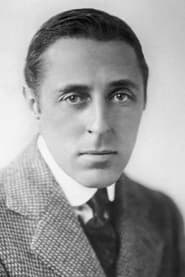
More from D.W. Griffith
View all →
More about this film
About the production
Release dateNovember 4, 1912
ProductionBiograph Company
Filmed inBiograph Studio, New York City, Fort Lee, New Jersey
The picture was shot in a single day, typical of Biograph's rapid production schedule. Griffith was already experimenting with more sophisticated cinematic techniques including close-ups and cross-cutting, which were still innovative for 1912. The hat featured in the picture was an actual fashionable import from New York, chosen specifically for its modern and stylish appearance to contrast with the conservative small-town setting.
Themes
Small-town gossipMoral judgmentInnocence and suspicionCommunity valuesFemale independence
Themes & topics
pastorhatgossipsmall towndying wishrumorinnocencejudgmentcommunitymorality
Historical background
The New York Hat (1912) reached audiences through Biograph Company in United States, when exhibitors still built programs from varied shorts and features rather than single-block bookings.
Why this film matters
Programmers and historians revisit The New York Hat (1912) because its story—to fulfill a dying mother's bequest for her daughter, the town pastor purchases the daughter a stylish hat, and gossip spreads through the town—illustrates popular narrative habits and production norms of the period.
Making of
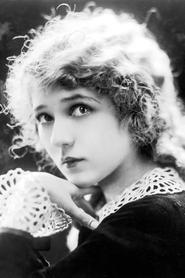
D.W. Griffith was under contract with Biograph Company and was required to direct multiple films each month, leading to incredibly efficient production methods. The New York Hat was typical of his Biograph period - a short, moralistic tale that could be filmed quickly but still contained his emerging directorial sophistication. Mary Pickford, already a rising star, worked closely with Griffith to develop her character's emotional range. the picture was shot on location in Fort Lee, New Jersey, which was then the center of American film production before the industry moved to Hollywood. Griffith was known for his meticulous attention to detail, even in these short productions, and he carefully coached his actors through the subtle emotional beats required for the story's moral lesson about judgment and gossip.
What critics said
English-language trade reviews of The New York Hat are limited for 1912. Where notices survive, they stress pacing and photographic clarity; later criticism values the title as archival evidence of studio style.
Did you know?
- marked one of the earliest collaborations between Mary Pickford and Lionel Barrymore, both of whom would become Hollywood legends
- the picture was part of Biograph's practice of releasing multiple short films weekly, with Griffith directing dozens of shorts per year
- Mary Pickford was paid approximately $175 per week by Biograph during this period, a substantial salary for the time
- the picture Griffith's early mastery of the close-up technique, which was still controversial among filmmakers who preferred longer shots
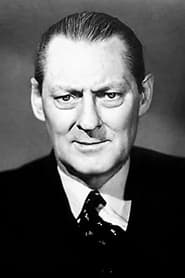
- Lionel Barrymore, who plays the pastor, came from the famous Barrymore acting dynasty and would later win an Academy Award
- the picture's theme of small-town gossip and moral judgment would become a recurring motif in Griffith's work
- The original negative of the picture was destroyed in a Biograph vault fire in the 1930s, but copies survived through distribution prints
- This was one of the last films Griffith made for Biograph before moving to Mutual Film Corporation and later directing feature films
- the picture was shot during the fall season to take advantage of the natural New England autumn scenery
- The hat in the picture cost approximately $5, a significant amount in 1912, equivalent to about $150 today
Visual style
The cinematography by Billy Bitzer, Griffith's regular collaborator, demonstrates the emerging sophistication of visual storytelling in early cinema. Bitzer employed careful lighting to create mood and emphasize emotional moments, particularly in the church scenes where natural light was used to create a spiritual atmosphere. the picture makes effective use of close-ups, a technique still relatively new in 1912, to highlight the characters' emotions and reactions to the gossip. The camera work includes subtle movements and framing techniques that help tell the story visually, such as positioning characters to show their isolation from the community. The exterior scenes take advantage of natural lighting and authentic locations, creating a realistic small-town atmosphere. Bitzer's cinematography shows the influence of Griffith's theatrical background while embracing the unique possibilities of the picture medium.
Innovations
The New York Hat several technical innovations that were advancing cinema in 1912. Griffith's use of close-ups was still relatively experimental and demonstrated his understanding of how camera proximity could enhance emotional impact. the picture employs effective cross-cutting between different characters' reactions to build tension during the gossip sequences. The lighting techniques, particularly in interior scenes, show sophisticated use of natural and artificial light to create mood and atmosphere. the picture's editing rhythm demonstrates Griffith's growing mastery of pacing, using shot duration to control emotional intensity. The production also benefited from Biograph's improved film stock and cameras, allowing for better image quality and more stable shots than earlier films. These technical elements, while seemingly basic by modern standards, were cutting-edge for their time and contributed to the picture's emotional effectiveness.
Music
As a silent film, The New York Hat would have been accompanied by live musical performance during theatrical exhibition. The typical score would have been provided by a house pianist or small orchestra, using compiled music appropriate to the picture's mood and action. The music would have included sentimental themes for the mother's death, lighter melodies for Mollie's joy in receiving the hat, and more dramatic or tense music during the gossip sequences. The final resolution would have been accompanied by uplifting, moralistic music to reinforce the picture's message. No original score survives, as was common for films of this period, but modern screenings typically use period-appropriate compiled music or newly composed scores that reflect the picture's emotional arc and early 20th-century musical styles.
Famous quotes
The hat from New York - it was her mother's dying wish
Let him who is without sin cast the first stone
Sometimes the greatest sin is judging others
A small town can be a wonderful place, until it turns against you
Memorable scenes
- The emotional scene where the pastor reveals the truth about the dying mother's wish to the judgmental congregation, causing the gossips to feel shame for their suspicions. The camera focuses on the pastor's dignified expression as he explains his promise, while the townspeople's faces shift from accusation to remorse, demonstrating Griffith's skill in capturing complex emotional reactions through silent performance.
What audiences thought
The New York Hat was well-received by audiences of 1912, who appreciated its moral message and emotional storytelling. the picture's themes of gossip and small-town judgment resonated strongly with contemporary viewers, many of whom lived in similar communities. Mary Pickford's growing popularity helped ensure the picture's commercial success, as audiences were drawn to her natural charm and relatable character. the picture's clear moral lesson about the dangers of gossip and the importance of compassion was particularly appreciated by family audiences, who were the primary market for Biograph's productions. Audience response cards from the period indicate that viewers found the story emotionally engaging and the resolution satisfying. the picture's success helped cement Pickford's status as a major star and demonstrated the commercial viability of more sophisticated, socially conscious storytelling in short films.
Film connections
Influenced by
- Victorian melodrama
- Progressive Era social reform movements
- 19th-century American literature
- Stage melodrama traditions
- Social problem plays
This film influenced
- The Scarlet Letter (1926)
- A Tale of Two Cities (1917)
- Intolerance (1916)
- Way Down East (1920)
- The Wind (1928)
Film restoration
The New York Hat survives in complete form and has been preserved by the Museum of Modern Art and the Library of Congress. the picture is in the public domain and has been restored on multiple occasions. A 35mm print exists in the MoMA collection, and digital restorations have been created for home video and streaming platforms. the picture's survival is notable given that many Biograph films from this period were lost due to nitrate decomposition and studio vault fires. The quality of surviving prints varies, but the picture remains watchable and continues to be screened at film festivals and in cinema history courses.
Where to watch
- YouTube (public domain uploads)
- Internet Archive
- Kino Lorber DVD collections
- Flicker Alley streaming service
- Museum of Modern Art film screenings
- Library of Congress online catalog
- Criterion Channel occasional programming