
The Painted Lady
"Rouge hiding a thief's design"
Keys: Space play/pause · ←/→ 10s · F fullscreen · M mute · </> speed
About this film
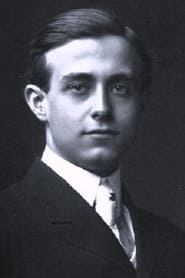
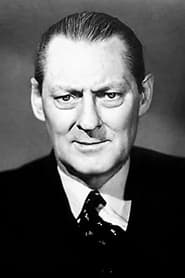
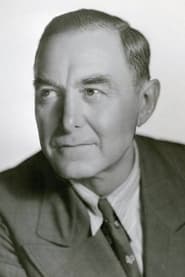
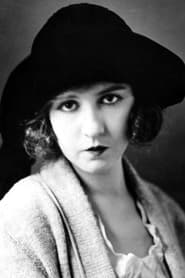
A lonely young woman lives with her strict father who forbids her to wear make-up. One day at an ice cream social, she meets a young man you seems interested in her.
Cast & crew
More films like this
More Drama films
View all →







More from D.W. Griffith
View all →
More about this film
About the production
Release dateJuly 8, 1912
Box officeUnknown (Biograph films were rented to theaters rather than sold, individual earnings not tracked)
ProductionBiograph Company
Filmed inBiograph Studio, New York City, Fort Lee, New Jersey
Filmed in just one or two days as was typical for Biograph one-reelers. The production utilized natural lighting and minimal sets, characteristic of Griffith's efficient Biograph period. The ice cream social scene was likely filmed on a simple set with basic props to suggest a social gathering.
Themes
Parental authority vs. youthful independenceFemale vulnerability in urban societyDeception and betrayalLoss of innocenceClass and social propriety
Themes & topics
burglaryfather-daughter relationshipmakeupsocial gatheringhome invasiondeceptionlonelinessforbidden lovedangersuspense
Historical background
The Painted Lady reached screens around 1912, produced in its country of origin. Silent-era houses paired such titles with live music and newsreel bills.
Why this film matters
Researchers cite The Painted Lady when tracing screen culture of its decade.
Making of
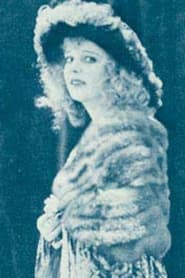
The film was made during D.W. Griffith's revolutionary period at the Biograph Company, where he was developing the language of cinema. Blanche Sweet, who was only 16 or 17 at the time, was emerging as one of Griffith's favorite actresses. The production would have been extremely rapid by modern standards, with Griffith often shooting complete films in a single day. The minimal cast and simple locations were typical of Biograph's efficient production methods. Griffith was known for his meticulous attention to performance detail, and would have worked closely with Sweet to create the character's emotional journey from innocence to terror. The burglary sequence would have required careful choreography to create suspense within the technical limitations of the era.
What critics said
Reviewers in 1912 weighed The Painted Lady on clarity, pacing, and audience response rather than prestige status. No single canonical review dominates later reference works for the title.
Did you know?
- This was one of the earliest films to feature Blanche Sweet in a leading role, helping establish her as a major star of the silent era
- The film was part of Griffith's exploration of social issues and the dangers facing young women in modern society
- Like many Biograph films of this period, it was shot on 35mm film but released in both 35mm and 16mm formats for different markets
- The title 'The Painted Lady' refers to the woman's desire to wear makeup, which was considered scandalous for respectable women in 1912
- This film was released during Griffith's most prolific period at Biograph, when he was directing dozens of films per year
- The burglar character represents the real fears of urban crime that were growing in American cities during the early 1910s
- The film's themes of parental control and youthful rebellion were controversial subjects for the time
- Griffith used this film to experiment with suspense techniques that would later influence his more famous works
- The ice cream social setting was a common social gathering type that contemporary audiences would have immediately recognized
- This film survives today primarily through paper print copies deposited for copyright protection at the Library of Congress
Visual style
The cinematography by G.W. Bitzer, Griffith's regular cameraman, employed the techniques typical of the Biograph period. Natural lighting was used whenever possible, with the camera positioned to capture clear, unobstructed views of the actors' performances. Bitzer would have used a hand-cranked camera, allowing for variations in speed to create dramatic emphasis. The film likely featured medium shots for emotional moments and wider shots for establishing scenes. The burglary sequence would have used careful composition to build suspense, with shadows and lighting creating atmosphere within the technical limitations of the era.
Innovations
While not groundbreaking in technical terms, The Painted Lady demonstrated Griffith's growing sophistication in narrative filmmaking. The film's effective use of cross-cutting between the young woman and the burglar would have helped build suspense. Griffith's mastery of the close-up for emotional emphasis was becoming more refined by this period. The film's pacing and rhythm showed his understanding of how to structure dramatic tension within the constraints of a one-reel format. The efficient use of minimal sets and locations while maintaining narrative coherence was also notable, representing the economic ingenuity of the Biograph studio system.
Music
As a silent film, The Painted Lady would have been accompanied by live music during its theatrical run. The typical accompaniment would have been a pianist or small theater orchestra playing appropriate mood music. The score would have included romantic themes for the meeting scene, suspenseful music for the burglary sequence, and dramatic music for the climax. Specific musical selections would have varied by theater, but popular classical pieces and stock photoplay music would have been commonly used. The Library of Congress paper print version would not include any musical notation, as the music was improvised or selected by individual theater musicians.
Famous quotes
(Silent film - no dialogue, but intertitles would have included narrative text such as: 'A lonely heart seeks companionship' and 'Danger lurks where least expected')
Memorable scenes
- The climactic burglary sequence where the young woman is awakened by strange noises and must confront the intruder in her home, showcasing Griffith's mastery of suspense and Blanche Sweet's ability to convey terror through facial expression and body language.
What audiences thought
The Painted Lady would have been received by 1912 audiences as a gripping melodrama with relatable themes. The story of a young woman's vulnerability and the dangers of the modern world resonated strongly with contemporary viewers, particularly the female audience members who were becoming an increasingly important demographic for movie theaters. The film's suspense elements and emotional climax would have provided the dramatic entertainment that audiences expected from Griffith's productions. As part of a Biograph program, it would have been shown alongside other short films, newsreels, and possibly a live musical accompaniment that enhanced its emotional impact.
Film connections
Influenced by
- Earlier Biograph melodramas
- 19th century stage melodrama tradition
- Contemporary newspaper crime stories
- Social reform literature of the Progressive Era
This film influenced
- Later Griffith films featuring vulnerable heroines
- 1930s and 1940s 'woman in peril' films
- Film noir scenarios of deception and betrayal
- Home invasion thriller genre
Film restoration
The film survives through the Library of Congress paper print collection, where it was deposited for copyright protection. This collection preserved many early Biograph films that might otherwise have been lost. The paper prints have been transferred back to film and digital formats, making the film accessible to modern audiences. While the original camera negative is likely lost, the preservation through paper prints ensures that this important early work remains available for study and viewing.
Where to watch
- Available on DVD collections of D.W. Griffith's Biograph films
- Streaming on various classic film archives and educational platforms
- Viewable at the Library of Congress's online digital collections
- Included in some university film studies collections
- Occasionally screened at film festivals and cinematheques specializing in silent cinema