
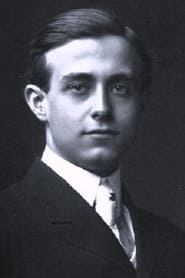
Joseph Graybill
Actor
Born: April 13, 1887 in San Francisco, California, USA Died: August 17, 1913 Active: 1910-1912
Films
12 films
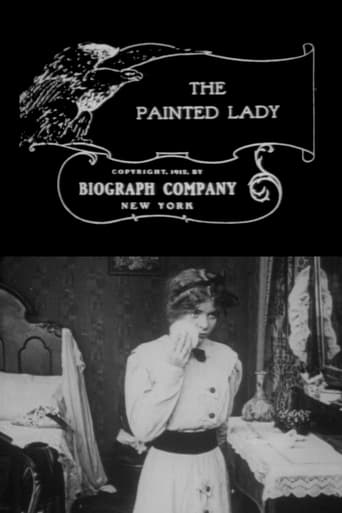


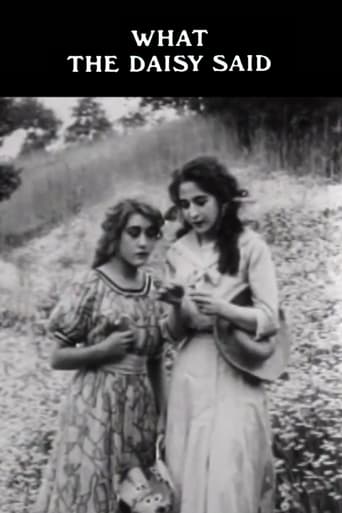
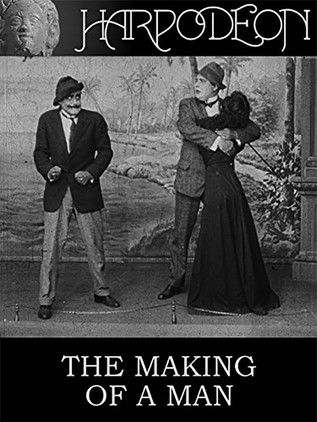
About Joseph Graybill
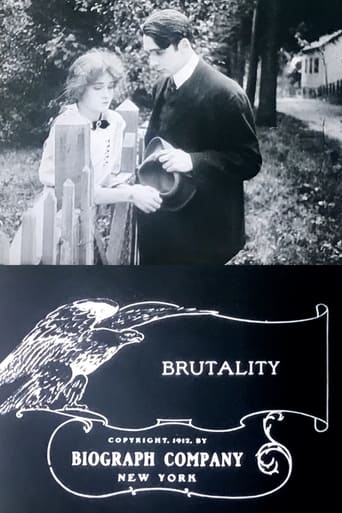
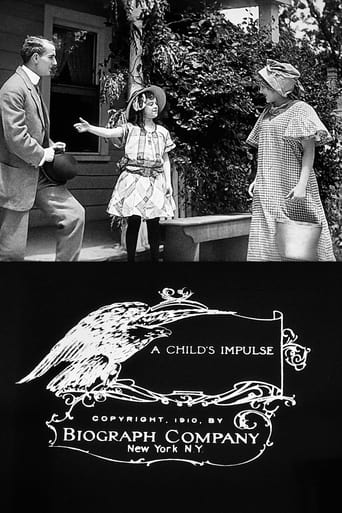
American silent film actor who emerged during the years of American cinema. He worked primarily as a member of D.W. Griffith's stock company at the Biograph Studio, appearing in numerous short films between 1910 and 1912. Graybill was part of the first generation of professional film actors who helped establish the conventions of screen acting during the transition from stage performance to cinema. His career, though brief, spanned a crucial period when American cinema was evolving from simple novelty films to complex narrative works. Graybill often played leading roles and supporting parts in Griffith's increasingly sophisticated productions, demonstrating the emotional range required for the new medium. His film work coincided with the emergence of film stars like Mary Pickford and Lionel Barrymore, placing him at the forefront of early Hollywood history. Despite his relatively short career, Graybill contributed to dozens of films that helped define the language of cinema.
The Craft
On Screen
Graybill's acting style was typical of the transitional period between stage melodrama and naturalistic screen performance. He employed exaggerated gestures and facial expressions common in early silent cinema to convey emotion effectively to audiences. His performances showed the influence of theatrical training while adapting to the intimate nature of film close-ups, which Griffith was during this period.
Milestones
- Member of D.W. Griffith's Biograph stock company
- Appeared in over 40 films in just three years
- Starred in early narrative shorts that helped establish film conventions
- Worked during the transition from one-reel to multi-reel films
Best Known For
Iconic Roles
Must-See Films
Working Relationships
Worked Often With
Studios
Why They Matter
Impact on Culture
Joseph Graybill's cultural impact lies in his contribution to the development of early American cinema during its formative years. As a member of Griffith's Biograph company, he participated in the creation of film techniques and narrative conventions that would become standard in cinema. His work helped establish the viability of professional film acting as a career path separate from theater, paving the way for future generations of film performers. Graybill was part of the transition that saw movies evolve from simple novelties to a sophisticated art form capable of complex storytelling.
Lasting Legacy
Joseph Graybill's legacy is primarily historical, representing the generation of actors who bridged the gap between theatrical performance and cinematic acting. His filmography serves as a valuable record of early American cinema techniques and storytelling methods. While he never achieved the lasting fame of contemporaries like Mary Pickford or Charlie Chaplin, Graybill's work with D.W. Griffith places him among the pioneers who helped establish the foundations of Hollywood cinema. His brief career and early death make him a poignant figure in film history, representing the many talented individuals who contributed to cinema's birth but were largely forgotten by time.
Who They Inspired
As an early film actor, Joseph Graybill's influence was primarily on the development of screen acting techniques rather than on specific performers who followed him. His work with Griffith helped demonstrate how actors could adapt their performances for the camera, influencing subsequent generations of film actors. The naturalistic yet expressive style he employed in Biograph films contributed to the evolution away from purely theatrical gestures toward more subtle screen performances that would become standard in later cinema.
Off Screen
Very little is known about Joseph Graybill's personal life beyond his brief film career. He died tragically young at the age of 26, cutting short what might have been a significant contribution to early cinema. His early death meant he never witnessed the transition to feature-length films or the full emergence of the Hollywood studio system that many of his contemporaries would help shape.
Did You Know?
- Died at the young age of 26, just as his career was gaining momentum
- Appeared in over 40 films in less than three years
- Worked during the period when Biograph was the most innovative film studio in America
- Was part of the cast when Biograph moved from New York to California in 1910
- Many of his films were shot on location in California, helping establish Hollywood as a film production center
- His career coincided with the emergence of the star system in American cinema
- Worked with virtually all of Biograph's major players during his brief tenure
- His films are now valuable historical documents of early American cinema
- Never appeared in a feature-length film, as his career ended before they became common
- Some of his Biograph shorts survive today and are preserved by film archives
Frequently Asked Questions
Who was Joseph Graybill?
American silent film with credits in this catalog.W. Griffith at the Biograph Company between 1910 and 1912. He was part of the first generation of professional film actors who helped establish the conventions of screen acting during the early years of American cinema.
What films is Joseph Graybill best known for?
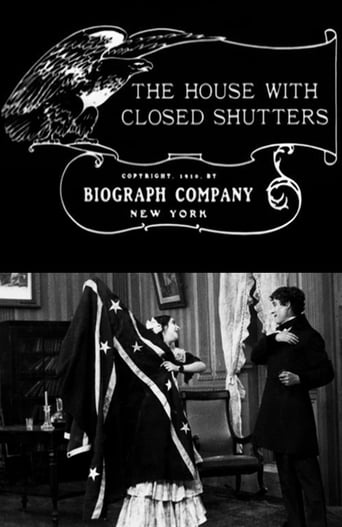
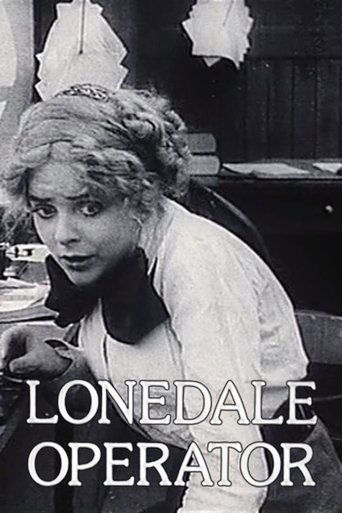
Titles linked here include A Flash of Light (1910), The House with Closed Shutters (1910).
When was Joseph Graybill born and when did he die?
Born April 13, 1887; died August 17, 1913.
What awards did Joseph Graybill win?
Joseph Graybill did not receive any major awards during his brief career. The Academy Awards were not established until 1929, many years after his death, and formal award systems for film performances did not exist during his active years in the early 1910s.
What was Joseph Graybill's acting style?
Graybill's acting style was typical of the transitional period between stage melodrama and naturalistic screen performance. He used the exaggerated gestures and facial expressions common in early silent cinema while adapting to the intimate nature of film close-ups that D.W. Griffith was during this period.
Why was Joseph Graybill's career so short?
Graybill's career lasted only from 1910 to 1912 because he died at the young age of 26 in 1913. His early death occurred just as he was establishing himself as a reliable character actor in Griffith's Biograph company, preventing him from participating in the further development of American cinema.
Did Joseph Graybill work with other famous actors?
Yes, Graybill worked with many early film stars who were part of Griffith's Biograph company, including Mary Pickford, Lionel Barrymore, Florence Lawrence, Owen Moore, and Mack Sennett. These collaborations occurred before many of these performers achieved lasting fame.
What is Joseph Graybill's significance in film history?
Graybill's significance lies in his role as a pioneer of American cinema during its formative years. As a member of Griffith's Biograph company, he contributed to the development of film acting techniques and narrative conventions that would shape the future of cinema, even though his personal legacy remains relatively obscure.