
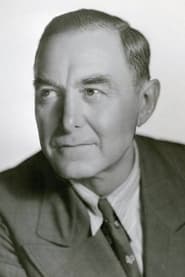
Harry Carey
Actor
Born: January 16, 1878 in Bronx, New York, USA Died: September 21, 1947 Active: 1912-1947 Birth Name: Henry DeWitt Carey II
Films
18 films
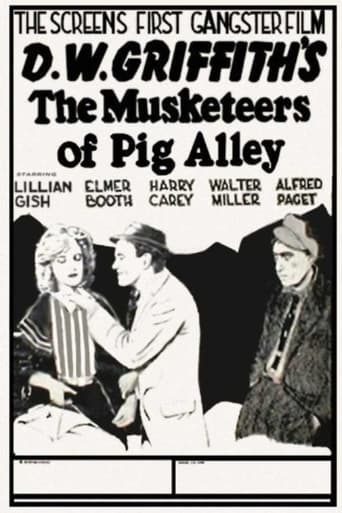
The Musketeers of Pig Alley
1912
Judith of Bethulia
1914
An Unseen Enemy
1912
Angel and the Badman
1947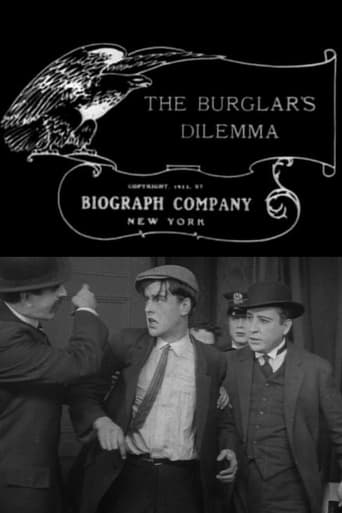
The Burglar’s Dilemma
1912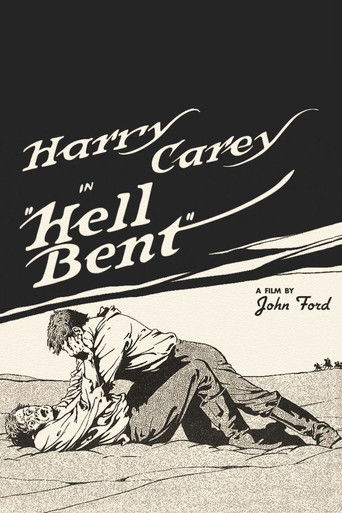
Hell Bent
1918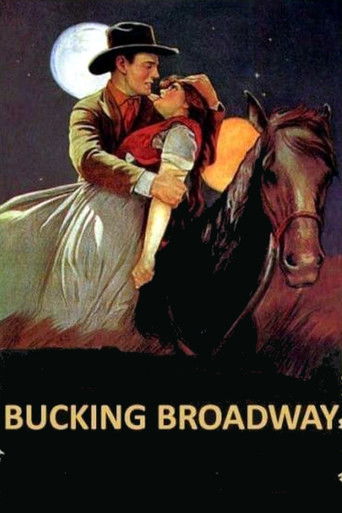
Bucking Broadway
1917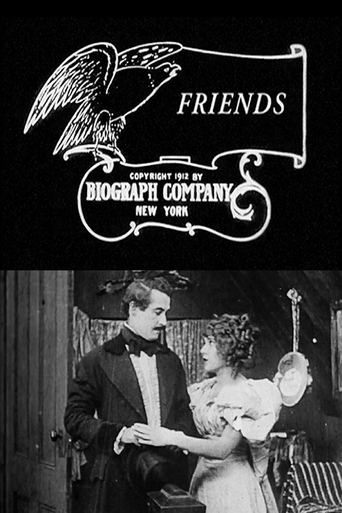
Friends
1912
So Near, Yet So Far
1912
The Telephone Girl and the Lady
1913
The Painted Lady
1912
If We Only Knew
1913
Brutality
1912
Brute Force
1914
Broken Ways
1913
Roaring Rails
1924
McVeagh of the South Seas
1914About Harry Carey
Harry Carey was character actors of early American cinema, active from the silent era through the Golden Age of Hollywood. Beginning his film career in 1912 with D.W. Griffith at Biograph Studios, Carey quickly rose to prominence as a leading man in Western films, establishing the archetypal stoic, weathered cowboy persona. His collaboration with director John Ford in the 1910s and 1920s produced some of the most influential Westerns of the silent era, including 'Straight Shooting' (1917) and 'Hell Bent' (1918). As sound films emerged, Carey successfully transitioned to character roles, bringing gravitas and authenticity to supporting parts in major productions. His performance as the President of the Senate in 'Mr. Smith Goes to Washington' (1939) earned him an Academy Award nomination for Best Actor. Throughout his 35-year career, Carey appeared in over 200 films, becoming beloved for his rugged authenticity and the deep, resonant voice that perfectly suited his weathered appearance. He passed away in 1947, leaving behind a legacy as one of cinema's most respected character actors and a foundational figure in the Western genre.
The Craft
On Screen
Harry Carey developed a naturalistic, understated acting style that contrasted with the theatrical performances common in early cinema. His approach emphasized authenticity and restraint, particularly in his Western roles where he embodied the stoic, weathered cowboy archetype. Carey possessed a deep, resonant voice that became one of his most distinctive assets in sound films, lending gravitas to every role. He excelled at conveying complex emotions through subtle facial expressions and body language, making his characters feel genuinely lived-in and authentic. His performances were characterized by a quiet dignity and moral authority that made him particularly effective in paternal and authority figure roles.
Milestones
- Breakthrough role in D.W. Griffith's 'The Musketeers of Pig Alley' (1912)
- Became Universal's biggest Western star in the 1910s
- Formed production company with John Ford in 1917
- Academy Award nomination for 'Mr. Smith Goes to Washington' (1939)
- Starred in over 200 films across 35 years
- Successful transition from silent films to talkies
- Final film appearance in 'Red River' (1948), released posthumously
Best Known For
Iconic Roles
Must-See Films
Accolades
Won
- Academy Honorary Award (1938) - 'For his contribution to American cinema'
Nominated
- Academy Award for Best Actor - 'Mr. Smith Goes to Washington' (1939)
Special Recognition
- Hollywood Walk of Fame star (located at 1521 Vine Street)
- Western Heritage Awards (posthumous recognition)
- Inducted into the Hall of Great Western Performers at the National Cowboy & Western Heritage Museum
Working Relationships
Worked Often With
Studios
Why They Matter
Impact on Culture
Harry Carey fundamentally shaped the Western genre and the archetype of the American cowboy in cinema. His naturalistic acting style influenced generations of actors, helping to move film performance away from theatricality toward realism. Carey's work with John Ford established many visual and narrative conventions that would define Westerns for decades. His successful transition from silent films to talkies demonstrated how character actors could maintain relevance across technological changes in cinema. Carey's dignified portrayals of aging cowboys and paternal figures created a template for the 'wise old man' archetype that remains prevalent in American film.
Lasting Legacy
Harry Carey's legacy endures through his extensive body of work and the influence he had on subsequent generations of actors and filmmakers. His son, Harry Carey Jr., carried on the family tradition, becoming. The elder Carey's performances continue to be studied for their naturalistic approach and contribution to the development of realistic acting in American cinema. His star on the Hollywood Walk of Fame and his induction into the Hall of Great Western Performers ensure his permanent place in film history. Modern Westerns and character-driven films still reflect the understated authenticity that Carey brought to his craft.
Who They Inspired
Harry Carey influenced countless actors through his naturalistic style, particularly in Western films. His work directly impacted John Wayne's development as a Western star, with Wayne often citing Carey as a mentor and role model. Directors like John Ford and Frank Capra valued Carey's ability to bring depth and authenticity to supporting roles, setting a standard for character actors in Hollywood. His successful career transition from silent films to talkies provided a blueprint for other actors facing similar technological changes. Carey's emphasis on subtlety and restraint influenced the evolution of film acting away from exaggerated gestures toward more nuanced, realistic performances.
Off Screen
Harry Carey married actress Olive Fuller Golden in 1920, and their marriage lasted until his death in 1947. The couple had two children, including Harry Carey Jr., who would follow in his father's footsteps to become a respected character actor in Westerns and John Ford films. Carey was known as a devoted family man who maintained a ranch in Saugus, California, where he raised cattle and horses between film projects. He was an accomplished horseman and outdoorsman, skills that contributed to the authenticity of his Western performances. Carey was also a published author, writing several Western novels based on his experiences in the film industry.
Education
Attended Hamilton College but dropped out to pursue a career in law, which he later abandoned for acting
Family
- Olive Fuller Golden (1920-1947)
Did You Know?
- Was originally studying to be a lawyer before turning to acting
- Served as a cowboy and ranch hand in his youth, giving him authentic experience for Western roles
- His distinctive deep voice made him
- Was one of the highest-paid actors of the 1910s, earning $1,000 per week at Universal
- Owned a 1,000-acre ranch in California where he raised cattle between film projects
- His son Harry Carey Jr. Appeared in over 100 films, many Westerns directed by John Ford
- Was posthumously awarded a star on the Hollywood Walk of Fame in 1960
- Appeared in both the first and last films directed by John Ford
- Was a close personal friend of director John Ford for over 30 years
- His final film 'Red River' (1948) was released after his death and co-starred his son
- Wrote several Western novels under his own name
- Was known for his generosity and often helped struggling actors financially
In Their Own Words
Acting isn't about pretending to be someone else. It's about finding the truth in the character and bringing it to life.
The Western isn't just a genre, it's the American story told in its purest form.
In the silents, we had to say everything with our eyes. In talkies, we learned that sometimes saying less means more.
A good actor doesn't play the hero or the villain. He plays the truth of the character.
Frequently Asked Questions
Who was Harry Carey?
American with credits in this catalog. He was known for his naturalistic acting style and deep, resonant voice, earning an Academy Award nomination for 'Mr. Smith Goes to Washington' in 1939.
What films is Harry Carey best known for?
Titles linked here include The Musketeers of Pig Alley (1912), Straight Shooting (1917).
When was Harry Carey born and when did he die?
Born January 16, 1878; died September 21, 1947.
What awards did Harry Carey win?
Harry Carey received an Academy Honorary Award in 1938 for his contribution to American cinema and was nominated for Best Actor for his role in 'Mr. Smith Goes to Washington' (1939). He also has a star on the Hollywood Walk of Fame and was posthumously inducted into the Hall of Great Western Performers.
What was Harry Carey's acting style?
Carey was known for his naturalistic, understated acting style that emphasized authenticity over theatricality. He pioneered realistic performances in early cinema, using subtle facial expressions and his distinctive deep voice to convey complex emotions, particularly in his iconic Western roles as the stoic, weathered cowboy.
Did Harry Carey have any famous family members?
Yes, Harry Carey was married to actress Olive Fuller Golden, and their son Harry Carey Jr. Became a prominent character actor in Westerns, appearing in over 100 films and working frequently with director John Ford. The Carey family became one of Hollywood's most respected acting dynasties.
How did Harry Carey influence Western films?
Carey fundamentally shaped the Western genre by creating the archetypal stoic cowboy persona and establishing many conventions that would define Westerns for decades. His collaboration with director John Ford produced influential films that set visual and narrative standards, while his authentic performances brought realism to the genre that influenced countless subsequent actors.