
Alma Rubens
Actor
Born: February 19, 1897 in San Francisco, California, USA Died: January 21, 1931 Active: 1913-1929 Birth Name: Alma Genevieve Wilkinson
Films
7 films



About Alma Rubens
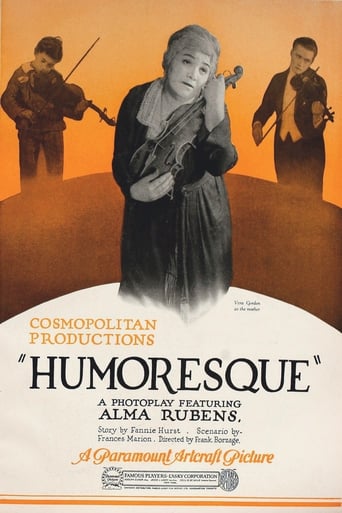
Alma Rubens was promising actresses of the silent era whose career and life were tragically cut short by personal struggles. Born Alma Genevieve Wilkinson in San Francisco, she was discovered by a talent scout while working as a stenographer and quickly rose to stardom in the mid-1910s. She became particularly known for her work with Douglas Fairbanks and her ability to portray both innocent and sophisticated characters with remarkable emotional depth. Her performance in 'Humoresque' (1920) is considered her finest work, showcasing her ability to convey complex emotions without dialogue. Despite her success and popularity, Rubens developed a severe addiction to morphine and heroin, which led to erratic behavior, missed work, and ultimately the decline of her career. She attempted comebacks in the early sound era but her personal struggles and deteriorating health prevented any lasting success. Her death at age 33 from pneumonia, complicated by her drug addiction, marked the tragic end of what had been one of Hollywood's most promising careers.
The Craft
On Screen
Alma Rubens was known for her naturalistic acting style that was ahead of its time in the silent era. She possessed the ability to convey subtle emotions through her expressive eyes and delicate facial expressions, moving away from the exaggerated gestures common in early silent films. Her performances were characterized by a gentle vulnerability combined with underlying strength, allowing her to portray both innocent ingenues and sophisticated society women with equal authenticity. Critics often praised her ability to make her characters feel real and relatable, bringing a sense of humanity to even the most melodramatic scenarios.
Milestones
- Discovered while working as a stenographer in San Francisco
- Signed with Fox Film Corporation in 1915
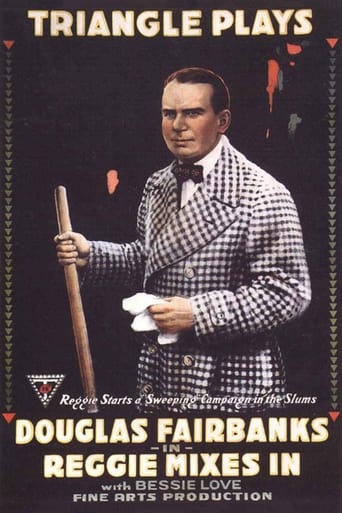
- Starred opposite Douglas Fairbanks in multiple films
- Breakthrough performance in 'Humoresque' (1920)
- Became one of the highest-paid actresses of the early 1920s
- Attempted transition to talkies in late 1920s
Best Known For
Iconic Roles
Must-See Films
Accolades
Special Recognition
- Hollywood Walk of Fame star (located at 6549 Hollywood Boulevard)
Working Relationships
Worked Often With
Studios
Why They Matter
Impact on Culture
Alma Rubens represents both the glamour and the tragedy of early Hollywood stardom. At the height of her career, she was. Her public struggles with drug addiction were among the first widely reported cases of substance abuse in Hollywood, bringing attention to the darker side of fame and the pressures faced by early film stars. Her story became a cautionary tale in Hollywood and contributed to discussions about the mental health and wellbeing of performers in the industry.
Lasting Legacy
Despite her relatively short career, Alma Rubens left an indelible mark on silent cinema through her naturalistic acting style. Her performance in 'Humoresque' remains a masterclass in subtle emotional expression, studied by film scholars and actors interested in silent film techniques. Her tragic life story has been referenced in numerous books about Hollywood's golden age and serves as a reminder of the personal costs often associated with early stardom. The preservation of her films has allowed modern audiences to appreciate her talent, and she is remembered as.
Who They Inspired
Alma Rubens influenced subsequent generations of actors through her naturalistic approach to silent film performance, helping to move the medium away from theatrical gestures toward more subtle, psychologically nuanced acting. Her ability to convey complex emotions through minimal expression paved the way for the more realistic acting styles that would become standard in later cinema. While her career was too brief for her to directly mentor other actors, her film performances served as examples for aspiring actors studying the art of silent film expression. Her story also influenced Hollywood's approach to handling the personal struggles of its stars, contributing to greater awareness of the need for support systems within the industry.
Off Screen
Alma Rubens had a tumultuous personal life marked by multiple marriages and a devastating struggle with drug addiction. She married three times: first to actor Franklyn Farnum in 1918 (divorced 1919), then to Dr. Daniel Carson Goodman, a prominent Hollywood physician and writer, in 1923 (divorced 1925), and finally to actor Ricardo Cortez in 1926 (divorced 1928). Her addiction to morphine and heroin, which reportedly began after being prescribed medication for a medical condition, became widely known and contributed to the decline of her career. She was institutionalized multiple times in attempts to overcome her addiction, but these efforts were ultimately unsuccessful. Her final years were marked by financial difficulties, health problems, and increasingly erratic behavior until her death from pneumonia at age 33.
Education
Attended public schools in San Francisco before working as a stenographer
Family
- Franklyn Farnum (1918-1919)
- Dr. Daniel Carson Goodman (1923-1925)
- Ricardo Cortez (1926-1928)
Did You Know?
- Her real name was Alma Genevieve Wilkinson, but she changed it when entering films
- She was discovered while working as a stenographer for a San Francisco insurance company
- At the height of her fame, she earned approximately $2,000 per week, equivalent to over $30,000 today
- Her drug addiction reportedly began after being prescribed morphine following surgery
- She was one of the first Hollywood celebrities whose drug addiction became public knowledge
- Douglas Fairbanks was one of her most frequent co-stars and reportedly considered her
- She attempted suicide multiple times during her struggles with addiction
- Her final film was a low-budget talkie called 'The Devil's Apple Tree' (1929)
- She was institutionalized at least three times in attempts to cure her addiction
- Her death certificate listed pneumonia as the cause of death, but her drug addiction was a contributing factor
- She was only 33 years old when she died, leaving behind a legacy of unfulfilled potential
In Their Own Words
I am not a bad girl. I am just a sick one. I have been fighting this thing for years and I am tired of fighting.
The screen is a wonderful thing, but it can be a terrible thing too. It makes you think you're something special, and then when you're not on it anymore, you're nothing at all.
I wanted to be an actress since I was a little girl. I never thought it would be like this.
Frequently Asked Questions
Who was Alma Rubens?
Popular American silent film actress who rose to stardom in the 1910s and early 1920s. Known for her naturalistic acting style and collaborations with Douglas Fairbanks, she was one of Hollywood's most promising talents before her career was cut short by drug addiction and early death at age 33.
What films is Alma Rubens best known for?
Titles linked here include Humoresque (1920), The Half-Breed (1916).
When was Alma Rubens born and when did she die?
Born February 19, 1897; died January 21, 1931.
What awards did Alma Rubens win?
Alma Rubens did not receive any major awards during her lifetime, as the Academy Awards were not established until 1929, near the end of her career. However, she was posthumously honored with a star on the Hollywood Walk of Fame for her contributions to the film industry.
What was Alma Rubens' acting style?
Alma Rubens was known for her naturalistic acting style that was ahead of its time in the silent era. She favored subtle emotional expression through her eyes and facial features rather than the exaggerated gestures common in early silent films. Her performances were praised for their psychological depth and emotional authenticity.
What led to the decline of Alma Rubens' career?
The decline of Alma Rubens' career was primarily caused by her severe addiction to morphine and heroin, which began after being prescribed medication for a medical condition. Her addiction led to missed work, erratic behavior, and eventually made her uninsurable for film productions, effectively ending her career in the late 1920s.
How many times was Alma Rubens married?
Alma Rubens was married three times: to actor Franklyn Farnum (1918-1919), to Dr. Daniel Carson Goodman (1923-1925), and to actor Ricardo Cortez (1926-1928). None of her marriages produced children, and all ended in divorce.