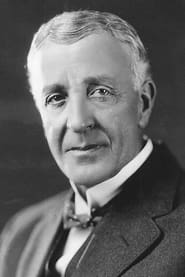
Winter Hall
Actor
Born: June 21, 1872 in Christchurch, New Zealand Died: February 17, 1938 Active: 1915-1938
Films
7 films

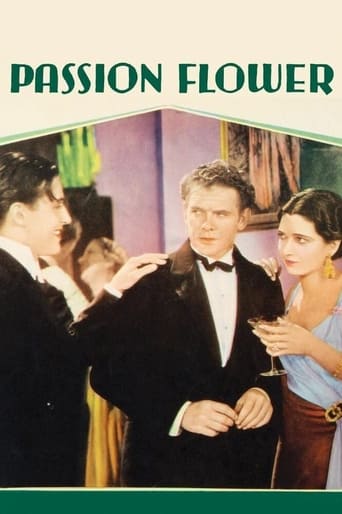
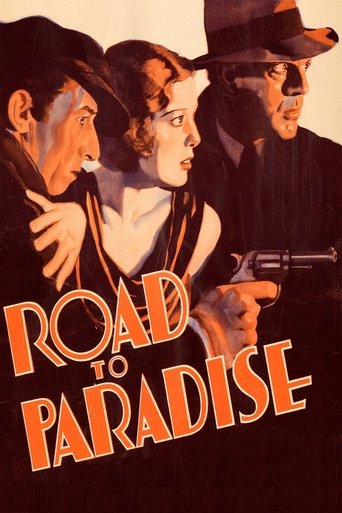
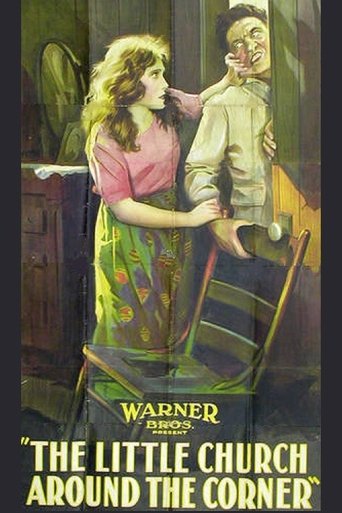
About Winter Hall
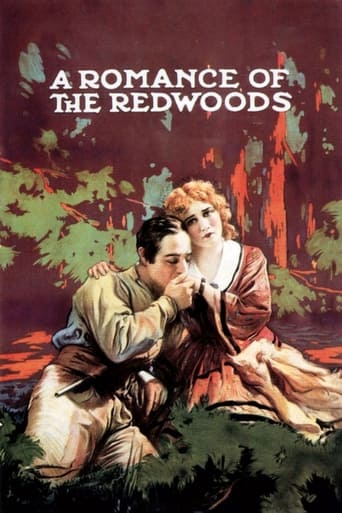
New Zealand-born American actor who began his career on the stage before transitioning to silent films in Hollywood. Making his film debut around 1915, he became a prolific character actor appearing in over 120 films throughout his career. Hall specialized in portraying authority figures such as judges, ministers, doctors, and aristocrats, leveraging his dignified appearance and commanding presence. He worked with major stars of the silent era including Mary Pickford, with whom he appeared in 'A Romance of the Redwoods' (1917). Hall successfully transitioned to sound films in the late 1920s and continued acting until his death in 1938. His two decades of rapidly changing cinema, from the height of the silent era through the early years of sound, making him a reliable presence during this transformative period in film history.
The Craft
On Screen
Winter Hall was known for his dignified, authoritative presence on screen, specializing in portraying figures of authority such as judges, ministers, doctors, and aristocrats. His acting style was typical of the theatrical approach common in silent films, with exaggerated gestures and expressions that effectively conveyed emotion without dialogue. Hall had a commanding presence and a appearance that made him particularly suited for roles requiring gravitas and respectability. He adapted his style with the advent of sound films, maintaining his authoritative demeanor while adopting the more naturalistic acting techniques required by talkies.
Milestones
- Appeared in over 120 films during his career
- Worked with Mary Pickford in 'A Romance of the Redwoods' (1917)
- Successfully transitioned from silent films to talkies
- Portrayed diverse authority figures throughout his career
- Worked with prominent director Cecil B. DeMille in 'The King of Kings' (1927)
- Maintained steady employment through the industry's transition to sound
Best Known For
Iconic Roles
Must-See Films
Working Relationships
Worked Often With
Studios
Why They Matter
Impact on Culture
Winter Hall contributed to the American silent cinema by providing reliable, authoritative supporting performances that helped ground many films of the era. As a character actor who specialized in figures of authority, he helped establish visual shorthand for audiences during a time when film language was still developing. His ability to convey respectability and wisdom through his screen presence contributed to the emotional and narrative weight of numerous productions. Hall's successful transition from silent films to talkies demonstrated adaptability during a period of tremendous technological change in cinema, serving as an example of how established character actors could remain relevant in the evolving industry.
Lasting Legacy
Winter Hall's legacy lies in his substantial body of work that spans the pivotal transition from silent films to sound in Hollywood. While he was never a leading man, his consistent presence in over 120 films makes him an important figure in the history of American cinema. His performances as authority figures helped establish archetypes that would continue throughout film history. Hall represents the thousands of character actors who formed the backbone of Hollywood's golden age, providing essential support to stars and helping create believable worlds on screen. His filmography serves as a valuable record of the types of supporting roles that were crucial to silent and early sound cinema.
Who They Inspired
As a character actor, Winter Hall's direct influence on other performers is difficult to trace, but his career path demonstrated the viability of specializing in certain types of roles. His longevity during a period of rapid technological change in cinema showed how established character actors could adapt to new mediums. Hall's dignified portrayal of authority figures may have influenced subsequent generations of character actors who specialized in similar roles. His work with prominent directors and stars of the silent era contributed to the overall development of film acting techniques during this foundational period of cinema.
Off Screen
Winter Hall married actress Virginia True Boardman in 1915, and the couple remained together until Hall's death in 1938. Boardman was also a prolific actress who appeared in numerous films during the silent era and successfully transitioned to sound films. Hall was known as a dedicated family man who maintained a relatively private personal life despite his public career. The couple sometimes appeared together in films, though they rarely played romantic leads opposite each other due to Hall's typecasting as older authority figures.
Education
No specific information available about his formal education, though he likely received theatrical training before beginning his stage career.
Family
- Virginia True Boardman (1915-1938)
Did You Know?
- Born in Christchurch, New Zealand, making him one of the early actors from Oceania to achieve success in Hollywood
- Appeared in over 120 films during his 23-year career
- Married fellow actor Virginia True Boardman, with whom he sometimes appeared on screen
- Often played characters much older than his actual age due to his appearance
- Worked with some of the biggest stars of the silent era including Mary Pickford and Charles Chaplin
- Successfully transitioned to sound films when many of his silent-era contemporaries struggled
- Frequently played religious figures, particularly ministers and priests
- His active years covered the entire transition from silent films to talkies
- Was a stage actor before entering films, which was common for actors of his generation
- Often without on-screen billing in his later roles, which was typical for character actors of the era
Frequently Asked Questions
Who was Winter Hall?
Screen credits include over 120 films during the silent era and early sound period. He was known for playing authority figures such as judges, ministers, and doctors, leveraging his dignified appearance and commanding screen presence.
What films is Winter Hall best known for?
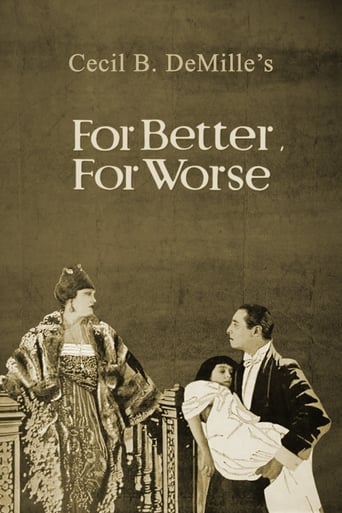
Titles linked here include A Romance of the Redwoods (1917), For Better, for Worse (1919).
When was Winter Hall born and when did he die?
Born June 21, 1872; died February 17, 1938.
What awards did Winter Hall win?
Winter Hall did not receive major awards during his career, which was common for character actors of the silent era and early sound period. His recognition came through consistent work and respect within the industry.
What was Winter Hall's acting style?
Winter Hall's acting style was characterized by a dignified, authoritative presence typical of theatrical approaches in silent films. He specialized in portraying figures of authority with gravitas and respectability, using exaggerated gestures and expressions appropriate for silent cinema, which he later adapted for sound films.
Was Winter Hall married?
Yes, Winter Hall married fellow actress Virginia True Boardman in 1915, and they remained married until his death in 1938. Boardman was also a successful actress who appeared in numerous films during the same era.
How did Winter Hall transition from silent to sound films?
Winter Hall successfully transitioned to sound films in the late 1920s, adapting his theatrical acting style to the more naturalistic approach required by talkies. His ability to play authority figures with gravitas translated well to sound cinema, allowing him to maintain steady employment through the industry's technological change.
What types of roles did Winter Hall typically play?
Winter Hall typically played authority figures including judges, ministers, doctors, aristocrats, and father figures. His dignified appearance and commanding presence made him particularly suited for roles requiring respectability and gravitas, often playing characters older than his actual age.