
Eugene O'Brien
Actor
Born: November 14, 1880 in Boulder, Colorado, USA Died: April 29, 1966 Active: 1914-1935 Birth Name: William Eugene O'Brien
Films
4 films
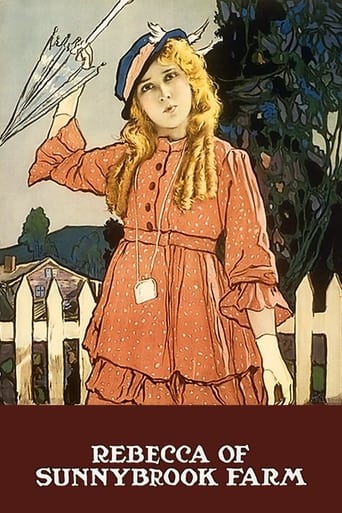
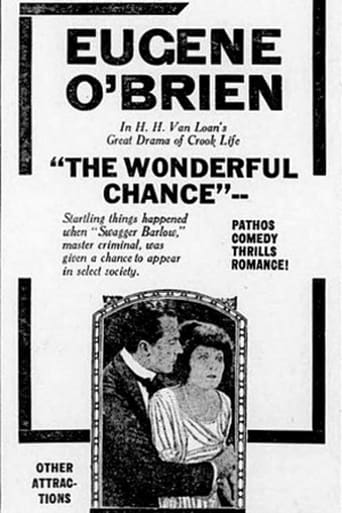
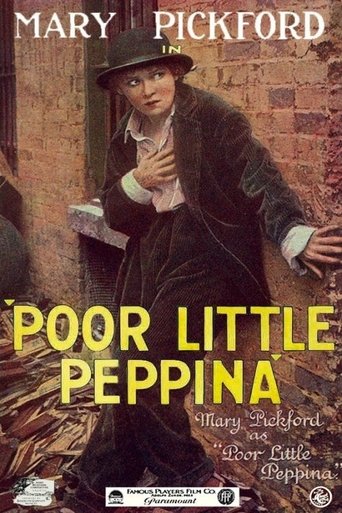
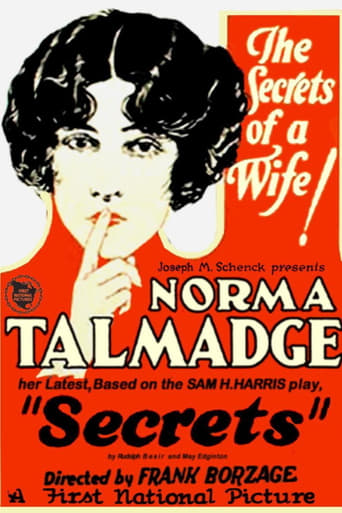
About Eugene O'Brien
Eugene O'Brien, born William Eugene O'Brien, was an American actor who rose to prominence during the silent film era as popular romantic leading men of his time. Born in Boulder, Colorado, he initially pursued law at Stanford University before discovering his passion for acting and making his Broadway debut in 1906. He transitioned to films in 1914 and quickly became a star for Famous Players-Lasky Corporation, often playing sophisticated, gentlemanly characters opposite leading ladies like Mary Pickford, Gloria Swanson, and Constance Talmadge. Throughout the early 1920s, O'Brien was among Hollywood's highest-paid actors, known for his refined demeanor and commanding screen presence in romantic dramas and adventure films. However, like many silent era stars, he struggled to adapt to the advent of sound films, with his deep voice not matching the romantic image audiences had come to expect. After his film career declined in the late 1920s, he returned to Broadway and made occasional film appearances through the mid-1930s before retiring from entertainment entirely. He spent his later years away from the spotlight until his death in Los Angeles in 1966.
The Craft
On Screen
Eugene O'Brien was known for his refined, dignified acting style that perfectly suited romantic leading roles. He portrayed characters with sophistication and gentlemanly charm, often playing wealthy, educated men of high social standing. His performances were characterized by a restrained yet expressive approach typical of the silent era, using subtle facial expressions and body language to convey emotion. O'Brien had a commanding screen presence that made him believable as romantic heroes, though his style was more understated compared to some of his more flamboyant contemporaries.
Milestones
- Broadway debut in 1906
- Film debut in 1914
- Leading man for Famous Players-Lasky Corporation
- One of the highest-paid actors of the early 1920s
- Starred opposite Mary Pickford in Rebecca of Sunnybrook Farm
- Successful transition back to Broadway in the 1930s
Best Known For
Iconic Roles
Must-See Films
Accolades
Special Recognition
- One of the highest-paid silent film stars of the early 1920s
Working Relationships
Worked Often With
Studios
Why They Matter
Impact on Culture
Eugene O'Brien represented the archetype of the sophisticated romantic leading man that dominated silent era cinema. His success helped establish the template for the gentleman hero in American films, influencing how masculinity and romance were portrayed on screen. As one of the era's highest-paid stars, he contributed to the star system that defined early Hollywood, demonstrating how actors could become powerful commercial draws. O'Brien's career trajectory also exemplified the challenges silent film actors faced with the transition to sound, serving as a cautionary tale about the fleeting nature of stardom in rapidly evolving technological landscapes. His work with major stars like Mary Pickford helped create some of the most memorable romantic pairings of the silent era.
Lasting Legacy
Eugene O'Brien's legacy lies in his contribution to the golden age of silent cinema as one of its most romantic leading men. Though largely forgotten by contemporary audiences, he remains significant to film historians as an example of the sophisticated, educated screen hero that audiences of the 1910s and 1920s adored. His films, particularly those preserved by archives, continue to be studied by scholars interested in the evolution of romantic storytelling in American cinema. O'Brien's career arc - from Broadway to film stardom and back again - illustrates the interconnected nature of theatrical and film performance in early 20th century entertainment. His struggle with the transition to sound also provides insight into how technological changes in cinema could make or break careers.
Who They Inspired
While Eugene O'Brien did not directly mentor a generation of actors, his screen persona influenced the development of the romantic leading man archetype in American cinema. His refined, gentlemanly approach to romance set a standard that subsequent actors would emulate and adapt. The success of his films demonstrated the commercial viability of sophisticated romantic dramas, encouraging studios to produce more content in this genre. His work with prominent actresses like Mary Pickford helped establish the chemistry and dynamic that would define romantic pairings in Hollywood for decades. O'Brien's career also served as a model for actors transitioning between stage and screen, demonstrating the skills needed to succeed in both mediums.
Off Screen
Eugene O'Brien was born to Irish immigrant parents, with his father working as a mining engineer. He had two marriages to fellow actresses - first to Alma Tell from 1915 to 1924, and later to Myrtle Stedman from 1928 until her death in 1937. Unlike many Hollywood stars of his era, O'Brien had no children. He was known for his intellectual pursuits and maintained a reputation as one of the more educated actors in Hollywood, having studied law before turning to acting. After retiring from entertainment, he lived a relatively private life in Los Angeles, avoiding the Hollywood spotlight that had once made him famous.
Education
University of Colorado, Stanford University (studied law before pursuing acting)
Family
- Alma Tell (1915-1924)
- Myrtle Stedman (1928-1937)
Did You Know?
- Was originally studying to become a lawyer before pursuing acting
- His deep voice was considered unsuitable for sound films despite his success in silents
- Was one of the highest-paid actors in Hollywood during the early 1920s
- Made his Broadway debut in the play 'The Greyhound' in 1906
- His first wife Alma Tell was also a prominent silent film actress
- Worked with Mary Pickford in multiple films during her peak years
- Was known for his intellectual pursuits and was considered one of Hollywood's more educated stars
- His career declined rapidly after the advent of sound pictures
- Made a brief comeback attempt in the early 1930s but was unsuccessful
- Retired from entertainment completely by the mid-1930s
In Their Own Words
I never intended to be an actor. I was studying law when the stage beckoned, and I answered that call instead.
The silent screen allowed us to create romance through gesture and expression. Sound changed everything - some for the better, some not.
Being a leading man in those days meant more than just being handsome. You had to embody the ideals of romance and gentility that audiences dreamed of.
Frequently Asked Questions
Who was Eugene O'Brien?
Prominent American with credits in this catalog. He was one of the highest-paid stars of the early 1920s before struggling with the transition to sound films.
What films is Eugene O'Brien best known for?
Titles linked here include Rebecca of Sunnybrook Farm (1917), The Wonderful Chance (1920).
When was Eugene O'Brien born and when did he die?
Born November 14, 1880; died April 29, 1966.
What awards did Eugene O'Brien win?
While Eugene O'Brien didn't receive formal awards like the Oscars (which began in 1929), he was recognized as one of the highest-paid and most popular actors of the silent era, commanding top salaries and leading roles in major productions.
What was Eugene O'Brien's acting style?
Eugene O'Brien was known for his refined, gentlemanly acting style that emphasized sophistication and romantic appeal. He portrayed educated, dignified characters with restrained yet expressive performances typical of the silent era's romantic leading men.