

The Call of the Wild
"Returns from Carlisle"
Keys: Space play/pause · ←/→ 10s · F fullscreen · M mute · </> speed
About this film
George Redfeather, the hero of this subject, returns from Carlisle, where he not only graduated with high honors, but was also the star of the college football team. At a reception given in his honor by Lieut. Penrose, an Indian agent, the civilized brave meets Gladys, the lieutenant's daughter, and falls desperately in love with her.
Cast & crew
More films like this

More Comedy films
View all →







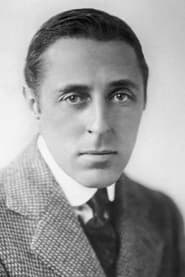
More from D.W. Griffith
View all →
More about this film
About the production
Release dateJune 1908
ProductionAmerican Mutoscope and Biograph Company
Filmed inNew York, New Jersey
This was one of D.W. Griffith's early directorial efforts for Biograph, made during his first year with the company. The film was shot in the early days of cinema when productions were typically completed in just one or two days. Like many Biograph films of this era, it was likely shot on location or at the company's studio in the Bronx or Fort Lee, New Jersey, which was becoming a major film production center before Hollywood's rise.
Themes
Themes & topics
Historical background
The Call of the Wild (1908) emerged during the earliest years of projected motion pictures, when exhibition habits and national film industries were still taking shape.
Why this film matters
The Call of the Wild remains accessible through digital archives, giving modern viewers a direct link to 1908 screen culture.
Making of
The making of 'The Call of the Wild' in 1908 represents the early days of American narrative cinema. D.W. Griffith was just beginning his revolutionary directorial career at Biograph, where he would eventually develop many of the fundamental techniques of cinematic language. The film was produced during a period when the American film industry was still centered on the East Coast, particularly in New York and New Jersey, before the migration to Hollywood. The casting of Charles Inslee as George Redfeather reflects the common practice of the era, though it's unclear whether Inslee was actually of Native American descent, as color-blind or authentic casting was rare in this period. The production would have been completed quickly, likely in just one or two days, which was standard for Biograph's efficient production schedule. The film was created before the establishment of many film industry standards, including the practice of crediting actors on screen.
What critics said
Where contemporary reviews survive, The Call of the Wild is discussed in terms of audience appeal at release; later criticism often reframes it through archive restoration and festival programming.
Did you know?
- This film should not be confused with the famous Jack London story adaptations of 'The Call of the Wild' - it's an entirely different story about a Native American character.
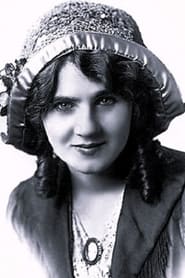
- Florence Lawrence, who plays Gladys, was known as 'The Biograph Girl' and was one of cinema's first movie stars, though actors weren't credited by name in films of this era.
- The Carlisle Indian Industrial School mentioned in the plot was a real institution that existed from 1879 to 1918 and was notable for its football program.
- This film was released during a period when Native Americans were frequently portrayed in cinema, often in stereotypical ways, though this film attempted a more nuanced approach by showing an educated Native American protagonist.
- D.W. Griffith made over 400 short films for Biograph between 1908-1913, with this being among his earliest directorial efforts.
- The film was shot on 35mm film with standard Biograph equipment of the era, which was relatively primitive compared to later cinema technology.
- Like most films of 1908, it would have been shown with live musical accompaniment in theaters, often with a pianist or small orchestra providing the score.
- The film was likely distributed through Biograph's established network of theaters and exchange systems that dominated early American cinema distribution.
Visual style
The cinematography of 'The Call of the Wild' would have been typical of Biograph productions from 1908, using stationary cameras with basic lighting techniques. The film was likely shot on 35mm film using hand-cranked cameras of the era, which resulted in variable frame rates. Camera movement was minimal, with most shots being static wide shots or medium shots. Interior scenes would have been lit with artificial lighting, which was still relatively primitive and often resulted in harsh lighting. The visual style would have been straightforward and functional, prioritizing clear storytelling over artistic expression. Griffith was still developing his cinematic language at this point, so the film would lack the sophisticated techniques he would later pioneer, such as close-ups, cross-cutting, and camera movement.
Innovations
While 'The Call of the Wild' does not represent major technical innovations, it was produced using the standard technology of 1908 that was still relatively new. The film would have been shot on celluloid film using hand-cranked cameras, which were becoming more reliable and portable than earlier models. The editing would have been done by physically cutting and splicing the film negative, a process that was still being refined. The film represents the standardization of narrative film techniques that were becoming established around this time. The production would have benefited from Biograph's efficient studio system, which was pioneering methods of mass-producing films for a growing market. The film's existence also demonstrates the increasing sophistication of storytelling in American cinema, moving away from the simple actualities and trick films that dominated the earliest years of cinema.
Music
As a silent film, 'The Call of the Wild' would have been accompanied by live music during theatrical presentations. The specific musical score would have varied by theater and venue, with larger theaters employing small orchestras while smaller venues used a single pianist or organist. The music would have been selected from existing published pieces rather than being specially composed for the film. Typical accompaniment would have included popular songs of the era, classical pieces, and mood music from published collections specifically compiled for silent film accompaniment. The musical selections would have been chosen to match the emotional tone of each scene, with romantic music for the love story elements and lighter, more playful music for the comedy aspects.
Famous quotes
No surviving dialogue or intertitles are documented from this film
Memorable scenes
- The reception scene where George Redfeather meets Gladys and falls in love, which would have been the central romantic moment of the film
What audiences thought
Audience reception information for specific films from 1908 is extremely limited, as systematic box office tracking and audience surveys did not exist. The film would have been shown as part of a varied program at nickelodeons, which typically charged five cents admission and showed multiple short films. The presence of Florence Lawrence, who was becoming recognizable to regular filmgoers despite not being credited by name, likely helped the film's appeal. The comedy genre and romantic elements would have been popular with the working-class audiences who frequented nickelodeons. The film's relatively short running time of about 11 minutes was standard for the era and would have fit well into the typical program format of the period.
Film connections
Influenced by
- Contemporary stage plays about Native Americans
- Popular literature about assimilation
- Biograph's established production methods
- Early film comedy traditions
This film influenced
- Later D.W. Griffith films with minority characters
- Other Biograph productions with similar themes
- Early films featuring educated minority protagonists
Film restoration
The preservation status of 'The Call of the Wild' (1908) is unclear, and the film may be lost. Many films from this early period, particularly Biograph shorts from 1908, have not survived. The Library of Congress and other film archives have extensive collections of early American films, but this specific title is not widely documented as being preserved. The film would have been printed on nitrate stock, which was highly flammable and prone to deterioration, making survival unlikely unless it was copied to safety film or preserved by archives. If copies do exist, they would likely be held by major film archives such as the Museum of Modern Art, the Library of Congress, or the George Eastman Museum.
Where to watch
- Due to the film's age and uncertain preservation status, it is not currently available on any commercial streaming platforms or home video formats. If the film survives, it may only be accessible through specialized film archives or museum collections that preserve early American cinema. Researchers and serious film scholars might be able to view the film through appointments at institutions like the Library of Congress, the Museum of Modern Art's Department of Film, or other major film archives that hold Biograph collections from this period.