
The Devil
"Sennett waits tables while hell stirs"
Keys: Space play/pause · ←/→ 10s · F fullscreen · M mute · </> speed
About this film
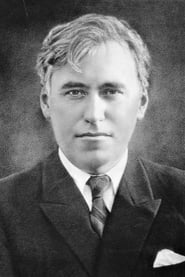
Mack Sennett appears as a waiter in the picture produced by the Biograph Company.
Cast & crew
More films like this
More Comedy films
View all →







More from D.W. Griffith
View all →
More about this film
About the production
Release dateOctober 1908
ProductionBiograph Company
Filmed inNew York City, New York, Biograph Studio, New York
This film was produced during D.W. Griffith's first year as a director at Biograph, when he was rapidly learning the craft of filmmaking. The production would have used the standard Biograph process of the time, shooting on 35mm film with their proprietary cameras. As was typical for Biograph productions of this era, the film was likely shot in just one or two days with minimal rehearsal. The inclusion of Mack Sennett, who would later become famous as a comedy director and producer, shows the early talent pool that Griffith was working with at Biograph.
Themes
ComedySupernatural mischiefEveryday chaosMischief and mayhemSupernatural intervention in human affairs
Themes & topics
Historical background
The Devil appeared in 1908, when the nickelodeon era and the birth of narrative film shaped how movies were financed, distributed, and discussed. Audiences of the day encountered the work amid shifting tastes in acting, pacing, and spectacle. Its focus on mack sennett appears as a waiter in the picture produced by the biograph company mirrors themes circulating in popular culture of that moment.
Why this film matters
The Devil (1908) belongs to the wider archive of world cinema, documenting mack sennett appears as a waiter in this. Archivists and historians value such titles for what they reveal about craft, genre, and audience expectations. Restorations and festival screenings keep the work visible to viewers far beyond its first run.
Making of
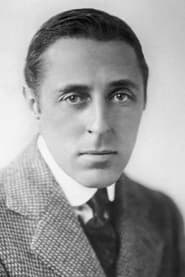
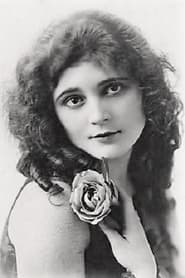
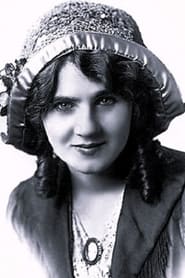
The making of 'The Devil' represents a fascinating glimpse into early American film production at the Biograph Company. D.W. Griffith, who had only recently transitioned from acting to directing, was working under the intense pressure of Biograph's demanding production schedule. The studio was known for cranking out multiple short films each week, and Griffith quickly proved himself as a reliable director who could deliver quality content on tight deadlines. The casting of Harry Solter, Claire McDowell, and Florence Lawrence shows Griffith's early reliance on a core group of Biograph regulars. Mack Sennett's appearance as a waiter is particularly noteworthy, as this was before he developed his own distinctive comedy style and founded Keystone Studios. The film would have been shot using natural light or simple studio lighting setups, with minimal camera movement due to the heavy equipment of the era. The devil character's supernatural abilities would have been created through simple in-camera effects or editing tricks that were innovative for 1908.
What critics said
Press coverage from 1908 is fragmentary for many titles of this vintage; surviving notices for The Devil tend to stress novelty, star power, or topical appeal. Later writing places the picture within its national and generic context, weighing both period conventions and moments that still land for modern viewers. Streaming and disc releases have revived discussion among classic-film audiences.
Did you know?
- This was one of D.W. Griffith's earliest directorial efforts, made when he was still relatively new to filmmaking
- Mack Sennett, who appears as a waiter, would later become known as 'The King of Comedy' and found Keystone Studios
- The film was shot in New York before Griffith and the Biograph company relocated to California
- Florence Lawrence, often called 'The First Movie Star', appears in this early Biograph production
- The film was released during a period when Biograph was producing up to three short films per week
- Like many films of this era, it was likely shown as part of a vaudeville program rather than as a standalone feature
- The film was shot on Biograph's unique 68mm film format before they switched to standard 35mm
- This comedy represents Griffith's early work before he became famous for his epic historical dramas
- The devil character was a popular trope in early cinema for visual comedy and special effects
- The film was created before the Motion Picture Patents Company was formed, which would later control film distribution
Visual style
The cinematography in 'The Devil' would have employed the standard techniques of Biograph productions in 1908. The film was likely shot using a stationary camera positioned to capture the action in a wide shot, as camera movement was rare and difficult in this early period. The lighting would have been primarily natural light if shot outdoors, or basic studio lighting if filmed on Biograph's interior sets. The cinematographer, probably Arthur Marvin or G.W. Bitzer (Biograph's regular cameramen), would have used the standard Biograph camera which initially shot on a unique 68mm format before switching to 35mm. The visual composition would be straightforward and functional, focusing on clearly presenting the comedic action to the audience. Any special effects showing the devil's powers would have been achieved through simple in-camera techniques or editing tricks that were innovative for the time.
Innovations
While 'The Devil' does not represent major technical breakthroughs, it utilizes the standard filmmaking technology of 1908 that was still evolving rapidly. The film would have been shot on celluloid film using hand-cranked cameras, requiring the cameraman to maintain consistent speed manually. Any supernatural effects depicting the devil's powers would have been created through techniques like jump cuts, multiple exposures, or stop-motion photography, which were innovative for the period. The editing, likely done by Griffith himself or under his supervision, would have used the simple continuity cutting that was becoming standard in narrative films. The film's production at Biograph also utilized their early film processing and printing facilities, which were among the most sophisticated in the American industry at the time.
Music
As a silent film from 1908, 'The Devil' would have been accompanied by live music during its theatrical exhibition. The typical accompaniment would have been provided by a pianist or small ensemble in the nickelodeon theater, playing popular tunes of the era or improvised music that matched the on-screen action. For a comedy like this, the musical accompaniment would likely have been light and playful, with jaunty rhythms to enhance the humorous situations. The music would have been selected from common repertoire of the time, possibly including popular songs like 'The Merry Widow Waltz' or other well-known melodies that audiences would recognize. No original composed score was created for the film, as was standard practice for short films of this period.
Famous quotes
No dialogue survives as this is a silent film with no intertitles documented
Memorable scenes
- The scene featuring Mack Sennett as a waiter dealing with the devil's supernatural interference, which combines physical comedy with early special effects to create a memorable moment of chaos in the dining establishment
What audiences thought
Audiences in 1908 would have viewed 'The Devil' as part of a varied program of short films shown at nickelodeons. The comedy genre was popular with early film audiences who were still discovering the possibilities of the new medium. The devil character, with his supernatural mischief, would have provided the kind of visual entertainment that appealed to the diverse urban audiences who frequented early movie theaters. The film's brief runtime and simple humor would have made it accessible to viewers of all backgrounds and literacy levels, which was crucial for the mass appeal of early cinema. The presence of recognizable Biograph regulars like Florence Lawrence would have added to the film's appeal for regular moviegoers who were beginning to recognize and follow favorite performers.
Film connections
Influenced by
- Georges Méliès' trick films
- Stage comedy traditions
- Vaudeville humor
- Early French comedy films
This film influenced
- Later Biograph comedies
- Mack Sennett's Keystone comedies
- Early American comedy shorts
Film restoration
The preservation status of this 1908 Biograph film is unclear. Many films from this early period, particularly Biograph shorts, have been lost due to the unstable nature of early film stock and lack of systematic preservation efforts. Some Biograph films from this era have survived through archives like the Library of Congress and the Museum of Modern Art, but individual titles like 'The Devil' may be among the lost films of cinema's first decade. The film's survival would depend on whether copies were deposited for copyright purposes or preserved in early film archives.
Where to watch
- Due to its age and likely lost status, 'The Devil' is probably not commercially available. If it survives, it might be accessible through film archives like the Library of Congress, the Museum of Modern Art's film collection, or specialized early cinema archives. Some early Biograph films have been included in DVD collections of silent cinema or D.W. Griffith's early work, but this specific title's availability is uncertain.