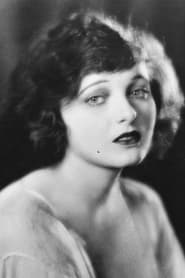
Corinne Griffith
Actor
Born: November 21, 1894 in Texarkana, Texas, USA Died: July 13, 1979 Active: 1916-1932 (acting), 1932-1979 (business/writing) Birth Name: Corinne Mae Griffin
Films
4 films

About Corinne Griffith
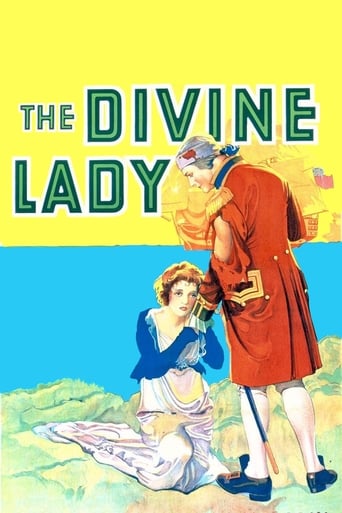
Corinne Griffith, born Corinne Mae Griffin, was actresses of the silent film era, earning the nickname 'The Orchid Lady of the Screen' for her ethereal beauty and sophisticated screen presence. She began her career as a model and beauty queen, winning the title of 'Miss New York City' in 1915 before transitioning to films with Vitagraph Studios. Griffith's career flourished throughout the 1920s, where she became one of the highest-paid actresses in Hollywood, commanding salaries that rivaled those of Mary Pickford and other top stars of the era. Her most acclaimed performance came in 'The Divine Lady' (1929), where she portrayed Lady Emma Hamilton opposite Ronald Colman, earning her an Academy Award nomination for Best Actress. Despite her success in silent films, Griffith struggled to maintain her career with the advent of sound, though she did appear in several early talkies before retiring from acting in 1932. After leaving Hollywood, she reinvented herself as a successful businesswoman, author, and inventor, demonstrating remarkable versatility beyond her film career. Griffith's legacy remains that of a quintessential silent screen goddess whose beauty and talent captivated audiences during one of cinema's most transformative decades.
The Craft
On Screen
Griffith was known for her refined, elegant screen presence and sophisticated acting style that perfectly suited the romantic dramas and society pictures of the silent era. She possessed a natural grace and poise that translated beautifully through silent film's visual medium, often portraying strong-willed, intelligent women rather than passive damsels. Her performances were characterized by subtle facial expressions and controlled gestures, allowing her to convey complex emotions without the benefit of dialogue. Griffith had a particular talent for period pieces, bringing authenticity and depth to historical roles that required both emotional range and physical transformation.
Milestones
- Academy Award nomination for Best Actress for 'The Divine Lady' (1929)
- One of the highest-paid silent film stars of the 1920s
- Successfully transitioned from modeling to film stardom
- Published several successful books including memoirs and novels
- Became a successful businesswoman and inventor after acting career
- Starred in over 60 films during her career
Best Known For
Iconic Roles
Must-See Films
Accolades
Won
- Academy Award nomination for Best Actress (The Divine Lady, 1929)
- WAMPAS Baby Stars (1916)
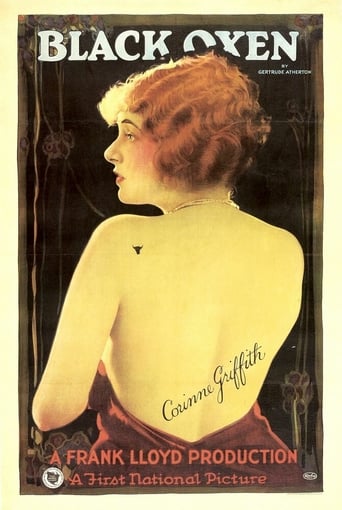
- Photoplay Magazine Medal of Honor winner (Black Oxen, 1923)
Nominated
- Academy Award for Best Actress (The Divine Lady, 1929)
Special Recognition
- Hollywood Walk of Fame star (located at 6365 Hollywood Boulevard)
- Named one of the 'WAMPAS Baby Stars' of 1916
- Recognized as one of the top box office stars of the 1920s
Working Relationships
Worked Often With
Studios
Why They Matter
Impact on Culture
Corinne Griffith represented the pinnacle of silent film sophistication and elegance, embodying the glamour and refinement that defined Hollywood's golden age. Her success as one of the era's highest-paid actresses helped establish the economic power of female stars in early Hollywood, paving the way for future generations of women to demand equal pay and recognition. Griffith's Academy Award nomination for 'The Divine Lady' was particularly significant as it came during the transition from silent to sound films, demonstrating that silent film actors could compete in the new era of cinema. Her portrayal of strong, intelligent women challenged the passive female stereotypes common in early cinema, offering audiences more complex and empowered female characters.
Lasting Legacy
Corinne Griffith's legacy extends beyond her film career to encompass her successful transition to business and literature, making her a rare example of a silent film star who found equal success after leaving Hollywood. Her films, particularly 'The Divine Lady' and 'Black Oxen,' remain important examples of late silent cinema, showcasing the artistic heights achieved just before the sound revolution. Griffith's autobiography and other writings provide valuable firsthand accounts of the silent film era, preserving the history of this transformative period in cinema. Her Hollywood Walk of Fame star continues to honor her contributions to film, while her business achievements serve as an early example of celebrity entrepreneurship that would become common in later decades.
Who They Inspired
Griffith influenced subsequent generations of actresses through her demonstration that screen beauty could be combined with intelligence and business acumen. Her success in period pieces established a template for historical drama performances that would be emulated by later stars. Her ability to command top salaries helped establish the economic foundation for star power that continues to define Hollywood. The sophistication and elegance she brought to her roles influenced the development of the Hollywood glamour aesthetic that defined the golden age of cinema.
Off Screen
Corinne Griffith's personal life was as dramatic as her film roles, marked by multiple marriages and significant wealth. She married four times, with her most notable union being to wealthy industrialist and film producer Walter J. Zimbalist in 1932, which lasted until his death in 1965. After retiring from films, Griffith became a successful businesswoman, investing in real estate and various ventures that made her independently wealthy. She also pursued writing, publishing several books including her autobiography 'Papa's Delicate Condition' (1952), which was later adapted into a film starring Jackie Gleason. Griffith was known for her sharp wit and intelligence, as well as her beauty, and maintained a prominent social presence in Hollywood long after her film career ended. She spent her later years in Santa Monica, California, where she died of heart failure at age 84.
Education
Attended public schools in Texarkana, Texas; later studied dramatic arts in New York City
Family
- Webster Campbell (1920-1923)
- Morris Gest (1924-1925)
- George Marshall (1930-1932)
- Walter J. Zimbalist (1932-1965)
Did You Know?
- Was often called 'The Orchid Lady of the Screen' due to her delicate beauty and preference for orchid corsages
- Her birth year was disputed; while most sources list 1894, she claimed 1895 to appear younger
- At the height of her career, she earned $10,000 per week, equivalent to over $150,000 today
- Her book 'Papa's Delicate Condition' was adapted into a 1963 film starring Jackie Gleason
- Was one of the first silent film stars to successfully transition to business after retiring from acting
- Spoke fluent French and often translated scripts during her European travels
- Was an accomplished painter and held several art exhibitions in her later years
- Her film 'The Divine Lady' was unusual for its time as it featured synchronized music and sound effects but no dialogue
- Was a founding member of the Motion Picture Relief Fund
- Owned a successful cosmetics company in the 1940s that specialized in beauty products for mature women
In Their Own Words
Beauty is only skin deep, but it's a valuable asset when you're in the movie business.
I never wanted to be just a pretty face on the screen. I wanted to be remembered as someone who brought intelligence to her roles.
The transition from silent to sound was difficult for many of us, but I believe true talent transcends any medium.
Hollywood in the twenties was like a magical kingdom where dreams came true, but it was also a business where you had to be smart to survive.
I've always believed that a woman should have her own money and her own mind, whether she's married or not.
Frequently Asked Questions
Who was Corinne Griffith?
Prominent American silent film actress known as 'The Orchid Lady of the Screen,' one of the highest-paid stars of the 1920s who later became a successful businesswoman and author after retiring from films.
What films is Corinne Griffith best known for?
Titles linked here include The Divine Lady (1929), Black Oxen (1923).
When was Corinne Griffith born and when did she die?
Born November 21, 1894; died July 13, 1979.
What awards did Corinne Griffith win?
Griffith received an Academy Award nomination for Best Actress for 'The Divine Lady' (1929), won the Photoplay Magazine Medal of Honor for 'Black Oxen' (1923), and was named one of the WAMPAS Baby Stars of 1916.
What was Corinne Griffith's acting style?
Griffith was known for her refined, elegant screen presence characterized by subtle facial expressions and controlled gestures, perfect for the silent film medium, often portraying sophisticated, intelligent women in romantic dramas and period pieces.
Why did Corinne Griffith retire from acting?
Griffith retired from acting in the early 1930s as the transition to sound films proved challenging, choosing instead to pursue business ventures, writing, and her marriage to industrialist Walter Zimbalist.
What did Corinne Griffith do after her film career?
After retiring from films, Griffith became a successful businesswoman in real estate and cosmetics, published several books including her autobiography 'Papa's Delicate Condition,' and continued to maintain a prominent social presence in Hollywood.