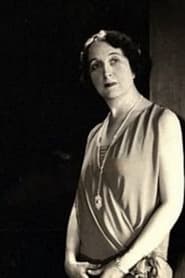
Evelyn Hall
Actor
Born: November 28, 1899 in New York City, New York, USA Died: July 24, 1971 Active: 1928-1930 Birth Name: Evelyn Hall Young
Films
3 films
About Evelyn Hall
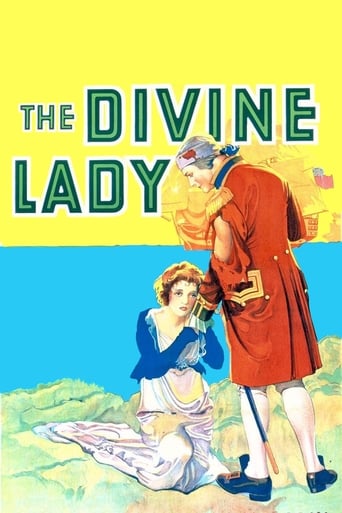
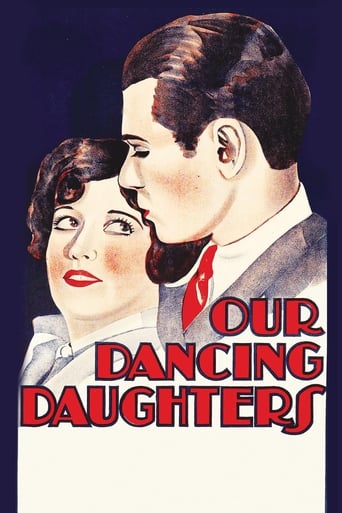
Evelyn Hall worked on one surviving credit: The Divine Lady (1929). Born Evelyn Hall Young, she began her film career at MGM Studios where she appeared in several notable productions alongside emerging stars of the era. Her most prominent role came in 1928's 'Our Dancing Daughters,' where she played the character of Eleanor, supporting Joan Crawford in the film that helped establish Crawford as a major star. Hall also appeared in 'The Divine Lady' (1929), a historical drama starring Corinne Griffith that earned Academy Award recognition. Her career, though brief, coincided with a pivotal moment in cinema history when the industry was adapting to sound technology. Despite her promising start in Hollywood, Hall's film career appears to have ended by the early 1930s, as was common for many supporting actors during this transitional period. Her performances, while not leading roles, contributed to some of the most significant films of the late silent era.
The Craft
On Screen
Hall embodied the sophisticated, refined acting style characteristic of late silent era performers, with graceful movements and expressive facial features that translated well to both silent and early sound films. Her performances demonstrated the polished technique expected of MGM's supporting players during this period.
Milestones
- Appeared in 'Our Dancing Daughters' (1928) with Joan Crawford
- Supporting role in 'The Divine Lady' (1929)
- Worked during the silent-to-sound transition period
- Contract player at MGM Studios
Best Known For
Iconic Roles
Must-See Films
Working Relationships
Worked Often With
Studios
Why They Matter
Impact on Culture
Evelyn Hall represents the generation of supporting actors who helped bridge the gap between silent cinema and the sound era. Her work in 'Our Dancing Daughters' contributed to one of the defining films of the Jazz Age, capturing the spirit and social dynamics of late 1920s America. Though not a star herself, her performances alongside emerging legends like Joan Crawford helped establish the new archetypes of modern womanhood that would define early sound cinema.
Lasting Legacy
While Evelyn Hall's filmography was brief, her work remains significant to film historians studying the transition period between silent and sound cinema. Her appearances in two major productions of 1928-1929 provide valuable documentation of acting techniques and studio practices during this transformative era. As a contract player at MGM during its golden period, she exemplifies the professional supporting actors who formed the backbone of Hollywood's studio system.
Who They Inspired
Hall's influence was primarily through her contribution to ensemble casts that helped establish new stars. Her work in 'Our Dancing Daughters' supported Joan Crawford's rise to stardom, and her professional demeanor during the challenging transition to sound demonstrated the adaptability required of actors during this period.
Off Screen
Evelyn Hall was born into a prominent New York family and maintained a relatively private personal life throughout her brief Hollywood career. After leaving the film industry, she returned to New York where she lived the remainder of her life away from the public eye. She never married and had no children, focusing instead on family and private interests.
Education
Educated in private schools in New York City; attended finishing school where she developed the poise and refinement that characterized her screen presence.
Did You Know?
- Her birth name was Evelyn Hall Young, but she dropped 'Young' for her professional name
- She appeared in 'Our Dancing Daughters' the same year Joan Crawford became a major star
- Her active years covered exactly during Hollywood's transition from silent to sound films
- She worked at MGM during the studio's most prestigious period under Irving Thalberg
- Both of her credited feature films were released by MGM
- She retired from acting before the full establishment of the Hays Code
- Her character in 'Our Dancing Daughters' represented the traditional values contrasted with the film's more modern protagonists
- She was part of the generation of actors whose careers were often disrupted by the coming of sound
Frequently Asked Questions
Who was Evelyn Hall?
American actress who worked briefly in late silent and early sound films, most notably appearing in 'Our Dancing Daughters' (1928) and 'The Divine Lady' (1929) as a contract player at MGM Studios during Hollywood's transition to sound cinema.
What films is Evelyn Hall best known for?
Titles linked here include Our Dancing Daughters (1928), The Divine Lady (1929).
When was Evelyn Hall born and when did she die?
Born November 28, 1899; died July 24, 1971.
What awards did Evelyn Hall win?
Evelyn Hall did not receive any major awards or nominations during her brief film career, which was typical for supporting actors during the early sound period when award ceremonies were still establishing their formats and categories.
What was Evelyn Hall's acting style?
Hall embodied the sophisticated, refined acting style of late silent era performers, characterized by graceful movements and expressive facial features that adapted well to early sound films, representing the polished technique expected of MGM's supporting players during this transitional period in cinema history.