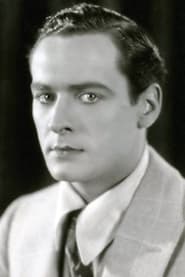
Ian Keith
Actor
Born: February 27, 1899 in Boston, Massachusetts, USA Died: March 26, 1960 Active: 1924-1960 Birth Name: Keith Ross
Films
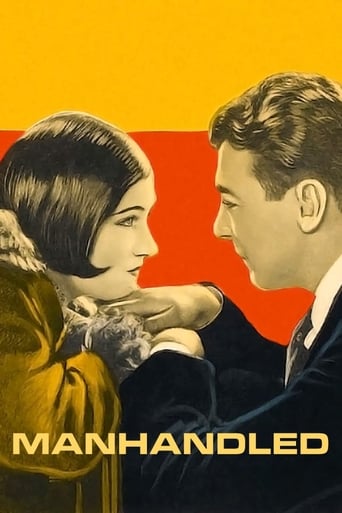
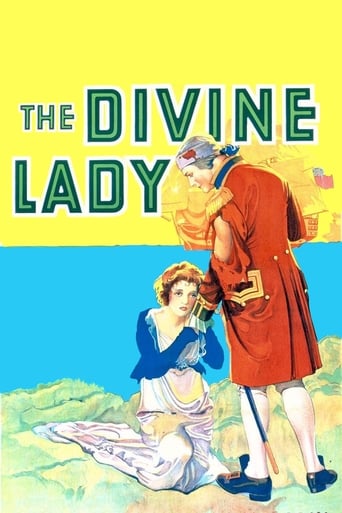
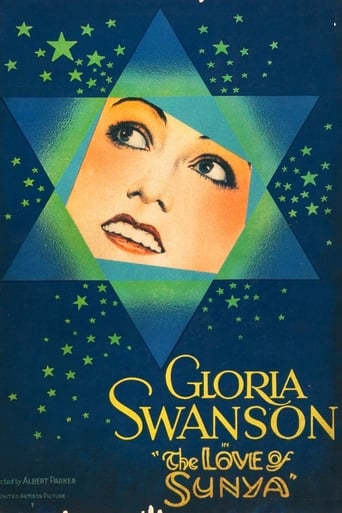
4 films
About Ian Keith
American actor: over three decades, beginning in the silent film era and continuing through Hollywood's Golden Age. Born Keith Ross in Boston, Massachusetts, he initially pursued a career in journalism before turning to acting. Keith made his film debut in the mid-1920s and quickly established himself as a reliable character actor, often portraying sophisticated villains, aristocrats, and authority figures. His transition from silent films to talkies was seamless, thanks to his articulate diction and commanding screen presence. Throughout his career, he appeared in more than 100 films, working with some of Hollywood's biggest stars and most respected directors. Keith was particularly adept at playing complex antagonists, bringing depth and nuance to roles that might otherwise have been one-dimensional. His later career included numerous television appearances, demonstrating his adaptability to new media. Despite never achieving leading man status, Ian Keith became one of Hollywood's most recognizable and respected character actors, leaving an indelible mark on classic cinema.
The Craft
On Screen
Ian Keith was known for his sophisticated, aristocratic bearing and commanding presence. His acting style combined theatrical training with naturalistic delivery, making him particularly effective in roles requiring authority and gravitas. Keith possessed a rich, resonant voice that served him well in the talkie era, and he excelled at playing complex antagonists with subtle psychological depth. His performances were marked by precise diction, measured movements, and an ability to convey menace without overt theatrics. Keith specialized in bringing intelligence and refinement to villainous roles, often portraying corrupt officials, aristocratic schemers, or historical figures with moral ambiguity.
Milestones
- Successful transition from silent films to talkies
- Memorable role as Rameses in Cecil B. DeMille's 'The Ten Commandments' (1956)
- Over 100 film appearances across four decades
- Frequent collaborations with major Hollywood directors
- Established himself as one of cinema's most reliable character actors
- Appeared in both classic films and television productions
Best Known For
Iconic Roles
Must-See Films
Accolades
Special Recognition
- Hollywood Walk of Fame star (6648 Hollywood Boulevard)
Working Relationships
Worked Often With
Studios
Why They Matter
Impact on Culture
Ian Keith made significant contributions to the development of character acting in Hollywood's Golden Age. His ability to portray sophisticated villains helped establish the archetype of the intelligent, cultured antagonist that would influence cinema for decades. Keith's work in historical epics, particularly his portrayal of Rameses in 'The Ten Commandments,' set a standard for conveying ancient authority and power on screen. His successful transition from silent films to talkies demonstrated how trained actors could adapt to new technologies while maintaining their artistic integrity. Keith's performances often brought psychological complexity to supporting roles, elevating the importance of character actors in ensemble casts.
Lasting Legacy
Ian Keith's legacy endures through his extensive body of work and the influence he had on subsequent generations of character actors. His portrayal of historical figures and authority figures created templates that continue to be referenced in period films and epics. Keith demonstrated that character actors could achieve lasting recognition without leading-man status, paving the way for performers who specialize in supporting roles. His performances remain studied examples of how to bring depth and intelligence to antagonist roles. The Hollywood Walk of Fame star awarded to him posthumously recognizes his enduring contribution to American cinema. Keith's work continues to be appreciated by film scholars and classic movie enthusiasts who recognize the artistry he brought to every role.
Who They Inspired
Ian Keith influenced numerous actors who followed in his footsteps, particularly those specializing in villainous or aristocratic roles. His technique of combining menace with sophistication became a model for actors playing complex antagonists. Many character actors in subsequent decades studied Keith's performances to understand how to make supporting roles memorable and impactful. His work with major directors like Cecil B. DeMille helped establish standards for historical film performances. Keith's ability to maintain a consistent career across different eras of filmmaking demonstrated the value of versatility and adaptability to actors facing technological and industry changes.
Off Screen
Ian Keith was married three times throughout his life, first to actress Blanche Yurka from 1928 to 1931, followed by a marriage to actress Ethel Clayton from 1932 to 1936. His third marriage was to Fern Andra, a German actress and film producer, which lasted from 1939 until his death in 1960. Keith was known for his intellectual pursuits off-screen, maintaining a personal library and engaging in literary discussions. He was also an accomplished horseman and enjoyed polo in his leisure time. Despite his busy career, Keith maintained a relatively private personal life, rarely discussing his relationships in the press.
Education
Harvard University (attended but did not graduate)
Family
- Blanche Yurka (1928-1931)
- Ethel Clayton (1932-1936)
- Fern Andra (1939-1960)
Did You Know?
- Changed his name from Keith Ross to Ian Keith early in his career
- Was a Harvard University student before pursuing acting
- Appeared in over 100 films during his 36-year career
- His final film role was in 'The Story of Ruth' (1960), released after his death
- Was particularly skilled at horseback riding, which served him well in historical films
- Spoke multiple languages, which helped him in international co-productions
- Never received an Academy Award nomination despite his prolific career
- Worked with both Greta Garbo and Marlene Dietrich during their peak years
- His role as Rameses in 'The Ten Commandments' was one of his last major film performances
- Was known for his extensive personal library and intellectual pursuits
In Their Own Words
Playing a villain is more interesting than playing a hero. Villains have more complex motivations and can be more intellectually stimulating to portray.
The transition from silent films to talkies wasn't difficult for those of us with stage training. The challenge was making the microphone your friend, not your enemy.
Frequently Asked Questions
Who was Ian Keith?
American character with credits in this catalog. Born Keith Ross in 1899, he was known for portraying sophisticated villains, aristocrats, and authority figures in over 100 films. His most famous role was as Rameses in Cecil B. DeMille's 'The Ten Commandments' (1956).
What films is Ian Keith best known for?
Titles linked here include The Ten Commandments (1956), Cleopatra (1934).
When was Ian Keith born and when did he die?
Born February 27, 1899; died March 26, 1960.
What awards did Ian Keith win?
Despite his prolific career and over 100 film appearances, Ian Keith did not receive any major acting awards or Academy Award nominations. However, he was honored posthumously with a star on the Hollywood Walk of Fame at 6648 Hollywood Boulevard, recognizing his significant contributions to American cinema.
What was Ian Keith's acting style?
Ian Keith was known for his sophisticated, aristocratic bearing and commanding presence. His acting style combined theatrical training with naturalistic delivery, making him particularly effective in roles requiring authority and gravitas. Keith excelled at playing complex antagonists with subtle psychological depth, using his rich voice and precise diction to bring intelligence and refinement to villainous roles.