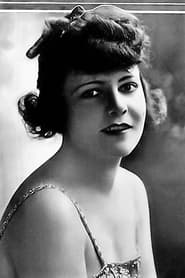
Mary Thurman
Actor
Born: April 27, 1895 in Richfield, Utah, United States Died: December 22, 1925 Active: 1920-1925 Birth Name: Mary Mabel Thurman
Films
3 films

About Mary Thurman
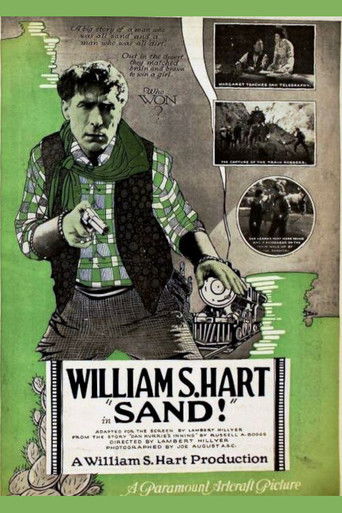
American silent film actress who emerged as a promising talent during the early 1920s, though her career was tragically cut short by her premature death. Born in Utah in 1895, she entered the film industry around 1920 and quickly gained recognition for her dramatic abilities and screen presence. Thurman's breakthrough came with her role in 'Sand' (1920), which showcased her talent for emotional, nuanced performances that were well-suited to the silent medium. She continued to build her career with appearances in several notable productions, including the prominent film 'Zaza' (1923), where she demonstrated her ability to work alongside established stars of the era. Her acting style evolved from the exaggerated theatrical approach common in early cinema to a more naturalistic, emotionally resonant performance style that reflected the maturation of silent film acting. Thurman married director Edward H. Griffith in 1920, creating both a personal and professional partnership that occasionally led to collaborative projects. Despite her brief time in the spotlight, spanning only about five years, she left a lasting impression on the films she appeared in and represented the many talented performers who contributed to silent cinema's golden age. Her death at age 30 in 1925 prevented her from experiencing the transition to sound films and realizing her full potential as an actress.
The Craft
On Screen
Mary Thurman was known for her expressive acting style typical of the silent era, utilizing sophisticated facial expressions and body language to convey complex emotions without dialogue. She demonstrated particular talent for dramatic roles, often playing characters experiencing emotional turmoil or transformation, which she portrayed with remarkable depth and subtlety. Her performances evolved from the exaggerated theatrical style common in early cinema to a more naturalistic approach that reflected the maturation of silent film acting techniques. Thurman's screen presence was described as both delicate and powerful, allowing her to portray complex emotional states effectively through controlled movements and nuanced expressions. She adapted well to the technical demands of silent filmmaking, understanding how to use lighting, camera angles, and physical positioning to enhance her performances and connect with audiences visually.
Milestones
- Breakthrough role in 'Sand' (1920)
- Leading role in 'Zaza' (1923)
- Marriage to director Edward H. Griffith (1920)
- Contract with Paramount Pictures
- Transition from supporting to leading roles in major productions
- Recognition for dramatic acting abilities in silent films
Best Known For
Iconic Roles
Must-See Films
Working Relationships
Worked Often With
Studios
Why They Matter
Impact on Culture
Mary Thurman's cultural impact, while limited by her brief career, represents the broader narrative of women in early Hollywood who navigated the challenging transition from stage to screen during cinema's formative years. Her work during the early 1920s contributed to the development of silent film acting techniques, particularly in dramatic roles that required emotional depth and subtlety without the benefit of dialogue. Thurman was part of a generation of actresses who helped establish the visual language of cinema, demonstrating how nuanced facial expressions and controlled body movements could convey complex emotions and character development. Her performances in films like 'Sand' and 'Zaza' showcased the evolving sophistication of silent film acting, moving away from the exaggerated theatrical style of earlier cinema toward more naturalistic, emotionally resonant performances. Though her career was short, Thurman's work exemplified the artistic possibilities of the silent medium and contributed to the golden age of silent cinema that would end with the advent of sound technology.
Lasting Legacy
Mary Thurman's legacy in film history is that of a promising talent whose career was tragically cut short, representing the many forgotten performers of the silent era who contributed to cinema's artistic development despite limited time in the spotlight. Her surviving film work provides valuable insight into the acting styles and cinematic techniques of the early 1920s, serving as important historical documentation of this transitional period in American cinema. While she never achieved the lasting fame of contemporaries like Mary Pickford or Gloria Swanson, Thurman's performances in 'Sand' and 'Zaza' remain of interest to film historians and silent cinema enthusiasts who study the evolution of screen acting. Her story highlights the precarious nature of early Hollywood careers, where health challenges, personal circumstances, and the rapidly changing industry could end promising careers prematurely. Modern film preservation efforts have helped keep her work accessible to new generations, allowing contemporary audiences to appreciate the artistry and emotional depth that silent film actors like Thurman brought to their craft.
Who They Inspired
Mary Thurman's direct influence on subsequent generations of actors is difficult to trace due to her brief career and limited filmography, but her work contributed to the broader evolution of screen acting techniques that would shape cinema for decades to come. Her performances demonstrated the possibilities of nuanced emotional expression in silent film, helping pave the way for more naturalistic acting styles that would become standard as cinema matured. The techniques she employed—particularly her use of subtle facial expressions, controlled body language, and emotional authenticity—were part of the developing vocabulary of film acting that would influence generations of performers. While specific actors may not cite Thurman as a direct influence, her work was part of the collective artistic development that transformed film acting from theatrical performance to a distinct cinematic art form, influencing the transition from exaggerated melodrama to the psychologically complex performances that would define later cinema.
Off Screen
Mary Thurman's personal life was marked by her brief but impactful career in Hollywood during the silent era and her marriage to director Edward H. Griffith. Their marriage in 1920 created both a personal and professional partnership that was notable in Hollywood circles, as they occasionally collaborated on film projects and supported each other's careers in the competitive film industry. Thurman came from a relatively modest background in Utah, making her rise in Hollywood somewhat unusual for the era, when many actors came from theatrical families or major urban centers. Her life was tragically cut short when she died at the young age of 30 in 1925, just as her career was gaining significant momentum and she was establishing herself as a serious dramatic actress. Her death came during a period when many young Hollywood actors faced health challenges, often exacerbated by the demanding filming conditions and long hours common in early cinema production.
Education
Limited formal education records exist, but she likely received dramatic training to prepare for her film career, possibly through theater experience or acting schools common for aspiring performers of her era.
Family
- Edward H. Griffith (1920-1925)
Did You Know?
- Died tragically young at age 30, cutting short a promising career during silent cinema's peak years
- Married director Edward H. Griffith in 1920, creating both personal and professional partnership
- Her film 'Sand' (1920) was considered one of her breakthrough performances and helped establish her as a serious dramatic actress
- Worked during the golden age of silent cinema, just before the industry-changing transition to sound films
- Her active years covered only about 5 years but included several notable productions with major studios
- Was part of the Paramount Pictures stable of actors during the early 1920s, working alongside some of the era's biggest stars
- Her death in 1925 meant she never experienced or had to adapt to the challenging transition to sound films that many silent actors struggled with
- Came from Utah, which was relatively unusual for Hollywood actors of her era, many of whom came from theatrical backgrounds or major urban centers
- Often played dramatic roles that showcased her emotional range and ability to convey complex feelings without dialogue
- Her surviving films are now studied by silent cinema enthusiasts and historians as examples of the sophisticated acting styles developing in the early 1920s
Frequently Asked Questions
Who was Mary Thurman?
American silent film actress active in the early 1920s, known for her roles in films like 'Sand' (1920) and 'Zaza' (1923). Though her career was brief, spanning only about five years before her tragic death at age 30, she made notable contributions to silent cinema during its golden era and was recognized for her dramatic acting abilities.
When was Mary Thurman born and when did she die?
Born April 27, 1895; died December 22, 1925.
What awards did Mary Thurman win?
Mary Thurman did not receive any major formal awards during her brief career, as the Academy Awards were not established until 1929, after her death. Like many actors of her era, her recognition came primarily from critical acclaim and audience appreciation for her performances rather than formal awards or honors.
What was Mary Thurman's acting style?
Mary Thurman's acting style was characteristic of the mature silent era, emphasizing sophisticated facial expressions and controlled body language to convey emotions without dialogue. She excelled in dramatic roles, using subtle expressions and nuanced movements to portray complex emotional states, demonstrating the advanced visual storytelling techniques developing in silent cinema during the early 1920s.
Who did Mary Thurman marry?
Mary Thurman married director Edward H. Griffith in 1920, creating both a personal and professional partnership. Their marriage lasted until her death in 1925, and they occasionally collaborated on film projects during their time together in Hollywood.
Why was Mary Thurman's career so short?
Mary Thurman's career was cut short by her untimely death at age 30 in 1925. She had only been active in films for about five years but was already gaining recognition and taking on more prominent roles when her life ended, preventing her from achieving greater fame and experiencing the transition to sound films that would soon transform the industry.