Ferdinand Gottschalk
Actor
Born: August 28, 1858 in London, England Died: July 10, 1944 Active: 1870s-1944 (Stage), 1920-1923 (Film)
Films
2 films

About Ferdinand Gottschalk
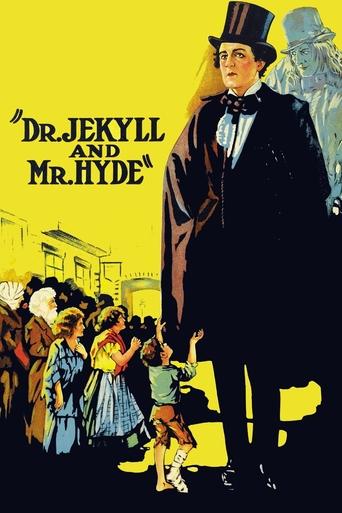
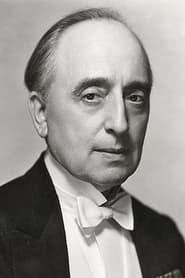
British actor who began his career on the London stage before achieving great success on Broadway in the late 19th and early 20th centuries. Born into a theatrical family, he honed his craft through years of stage experience, becoming known for his portrayals of aristocratic and authoritative characters. Gottschalk transitioned to silent films in the early 1920s, bringing his theatrical gravitas to the new medium during his sixties. His most notable film appearances included playing Sir Danvers Carew in the 1920 adaptation of 'Dr. Jekyll and Mr. Hyde' starring John Barrymore, and Cascart in the 1923 film 'Zaza'. Despite his relatively brief film career, Gottschalk's commanding presence and refined acting style left a lasting impression on early cinema. He continued to work in theater throughout his life, maintaining his reputation as a consummate character actor until his death in 1944.
The Craft
On Screen
Gottschalk was known for his refined, dignified acting style characterized by impeccable diction, commanding stage presence, and the ability to portray aristocratic characters with authenticity. His theatrical background lent itself well to the exaggerated yet controlled acting style required in silent films, where facial expressions and body language were paramount. He excelled at playing gentlemen, authority figures, and characters of social standing, bringing a natural gravitas to each role.
Milestones
- Successful Broadway career spanning over three decades
- Portrayal of Sir Danvers Carew in Dr. Jekyll and Mr. Hyde (1920)
- Role as Cascart in Zaza (1923)
- stage career in both London and New York
- Transition from acclaimed theater actor to respected film character actor
Best Known For
Iconic Roles
Must-See Films
Working Relationships
Worked Often With
Studios
Why They Matter
Impact on Culture
Ferdinand Gottschalk represents the important bridge between Victorian theater and early cinema, bringing the refined techniques of classical acting to the new medium of film. His work helped establish the archetype of the character actor in Hollywood, particularly in roles requiring aristocratic bearing and gravitas. Though his film appearances were limited, his performances in major productions like 'Dr. Jekyll and Mr. Hyde' demonstrated how theatrical training could enhance silent film performances, influencing subsequent generations of character actors.
Lasting Legacy
Gottschalk's legacy lies in his successful navigation of both stage and screen during a pivotal period in entertainment history. He exemplifies the classically trained actors who helped legitimize cinema as an art form by bringing theatrical sophistication to early films. His performances, particularly in adaptations of literary works, set a standard for character acting in silent cinema. Today, he is remembered as an important figure who contributed to the artistic development of film during its formative years.
Who They Inspired
Gottschalk influenced later character actors through his demonstration of how theatrical techniques could be adapted for the camera. His dignified portrayals helped establish templates for playing aristocratic and authoritative characters in cinema. While he didn't directly mentor many younger actors due to his late entry into films, his work served as an example for performers transitioning from stage to screen during the early sound era.
Off Screen
Ferdinand Gottschalk was born into a theatrical family in London and spent his entire life in the performing arts. He emigrated to the United States where he built an impressive career on Broadway, becoming a respected figure in American theater. Later in life, he relocated to Los Angeles where he appeared in films. He remained unmarried throughout his life and dedicated himself entirely to his craft. His final years were spent in California, where he passed away at the age of 85.
Did You Know?
- Began his stage career as a child actor in London
- Was over 60 years old when he made his film debut
- Came from a family of actors and entertainers
- Spent most of his career on Broadway before entering films
- His film career lasted only three years but included two major productions
- Worked with legendary actor John Barrymore in his most famous film
- Never married and had no children
- Continued performing on stage even after appearing in films
- Was part of the transition from Victorian theatrical tradition to modern cinema
- His death in 1944 meant he lived through both the silent and early sound eras of film
In Their Own Words
The stage is my first love, but the camera has its own magic that captures truth in a different way.
In both theater and film, the actor's duty is to serve the story and the character, not his own ego.
Frequently Asked Questions
Who was Ferdinand Gottschalk?
British stage and film with credits in this catalog. He was known for playing aristocratic characters and appeared in notable films including 'Dr. Jekyll and Mr. Hyde' (1920) and 'Zaza' (1923).
What films is Ferdinand Gottschalk best known for?
Titles linked here include Dr. Jekyll and Mr. Hyde (1920), Zaza (1923).
When was Ferdinand Gottschalk born and when did he die?
Born August 28, 1858; died July 10, 1944.
What awards did Ferdinand Gottschalk win?
There are no recorded major awards or nominations for Ferdinand Gottschalk, as his film career was brief and occurred during the early days of cinema before the establishment of many modern awards. His recognition came primarily from critical acclaim and audience appreciation during his long stage career.
What was Ferdinand Gottschalk's acting style?
Gottschalk's acting style was characterized by refinement, dignity, and theatrical gravitas honed through decades of stage experience. He excelled at portraying aristocratic characters with impeccable diction and commanding presence, successfully adapting these classical techniques to the requirements of silent film acting.