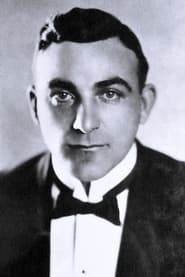
Elmo Lincoln
Actor
Born: February 6, 1889 in Rochester, Indiana, USA Died: June 27, 1952 Active: 1913-1940s Birth Name: Otto Elmo Linkenhelt
Films
5 films

About Elmo Lincoln
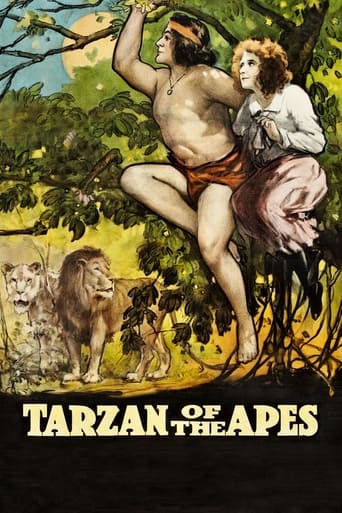
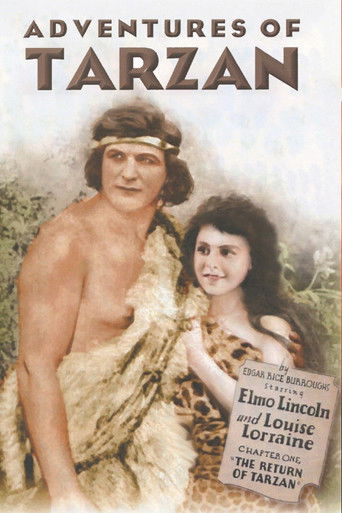
Elmo Lincoln, born Otto Elmo Linkenhelt, was an American actor who achieved immortality as cinema's first Tarzan. Standing at an imposing 6'2" and weighing over 230 pounds, his powerful physique made him the perfect choice for Edgar Rice Burroughs' jungle hero. Lincoln began his film career working as an extra for D.W. Griffith, appearing in controversial epics like 'The Birth of a Nation' (1915) and 'Intolerance' (1916). His breakthrough came when he was cast as the lead in 'Tarzan of the Apes' (1918), the first full-length Tarzan film, which became a massive commercial success and established the character as a cinematic icon. He reprised the role in 'The Romance of Tarzan' (1918) and 'The Adventures of Tarzan' (1921), solidifying his place in film history. After his Tarzan fame waned, Lincoln continued acting in smaller roles throughout the 1920s and 1930s, often playing villains or character parts due to his intimidating presence. He made the transition to sound films but struggled to find leading roles, eventually retiring from acting in the 1940s. Lincoln spent his later years working various jobs outside Hollywood before passing away in 1952, leaving behind a legacy as the actor who first brought Tarzan to life on the silver screen.
The Craft
On Screen
Lincoln's acting style was characteristic of the silent era, emphasizing physical presence and exaggerated gestures to convey emotion. His massive build and powerful frame made him ideal for action sequences and physical roles, particularly as Tarzan where he could convincingly portray the character's strength and primal nature. Unlike later Tarzan actors who focused on the character's noble aspects, Lincoln emphasized the wild, animalistic qualities of the jungle hero. His performances were more theatrical than naturalistic, as was common in silent cinema, but he possessed a certain raw authenticity that resonated with audiences of the time.
Milestones
- First actor to portray Tarzan in 'Tarzan of the Apes' (1918)
- Appeared in D.W. Griffith's 'The Birth of a Nation' (1915)
- Starred in 'The Romance of Tarzan' (1918)
- Reprised Tarzan role in 'The Adventures of Tarzan' (1921)
- Appeared in over 100 films during silent era
- Made successful transition from extra to leading man
- Worked with directors of early cinema
Best Known For
Iconic Roles
Must-See Films
Accolades
Special Recognition
- Star on the Hollywood Walk of Fame for Motion Pictures
- Inducted into the Tarzan Hall of Fame
- Recognized as cinema's first Tarzan by film historians
Working Relationships
Worked Often With
Studios
Why They Matter
Impact on Culture
Elmo Lincoln's portrayal of Tarzan had a profound impact on popular culture and cinema history. As the first actor to bring Edgar Rice Burroughs' jungle hero to life, Lincoln established the visual template for the character that would influence all subsequent adaptations. His films were among the most successful of the silent era, proving the commercial viability of adventure films and helping to establish the action-adventure genre. Lincoln's Tarzan introduced audiences to the concept of the 'noble savage' and sparked a worldwide fascination with jungle adventure that would last for decades. The success of his Tarzan films led to numerous sequels, remakes, and adaptations across various media, making Tarzan. Lincoln's performance also demonstrated the star power that could be generated from a single iconic role, paving the way for future character-driven franchises in cinema.
Lasting Legacy
Elmo Lincoln's legacy endures as the figure who first brought Tarzan to the silver screen. While later actors like Johnny Weissmuller would become more associated with the role, Lincoln's original interpretation set the standard for the character's physicality and primal nature. His films are now considered important artifacts of silent cinema, showcasing early special effects techniques and the evolution of action filmmaking. Film historians recognize Lincoln as a crucial figure in the development of the adventure genre and the concept of the cinematic action hero. His star on the Hollywood Walk of Fame commemorates his contributions to film history, and his Tarzan films remain popular among silent film enthusiasts and Tarzan fans. Lincoln's career also exemplifies the challenges faced by silent film actors in transitioning to sound cinema, serving as a case study in the rapidly changing nature of the film industry during the 1920s and 1930s.
Who They Inspired
Lincoln's physical approach to the Tarzan role influenced all subsequent actors who portrayed the character, establishing the importance of athletic ability and imposing presence in the role. His success demonstrated the commercial potential of literary adaptations, encouraging studios to pursue more book-to-film projects. The athletic demands of his Tarzan performances helped establish the requirement for physical fitness in action roles, influencing casting decisions for decades. Lincoln's work with D.W. Griffith contributed to the development of cinematic techniques that would become standard in action filmmaking. His transition from extra to leading man provided a model for aspiring actors in the early film industry, showing how physical attributes and dedication could lead to stardom. The jungle adventure genre that his Tarzan films helped popularize continues to influence modern adventure films and television shows.
Off Screen
Elmo Lincoln was married three times throughout his life. His first marriage was to actress Alma Hanlon in 1915, which ended in divorce. He later married Margaret G. Ryan in 1926, and they had two children together. After their divorce, he married his third wife, Valleria R. Riddle, in 1949. Lincoln served in the United States Army during World War I, which briefly interrupted his film career. Despite his early success as Tarzan, Lincoln struggled financially in his later years and worked various jobs outside the entertainment industry, including as a security guard and a theater manager. He remained proud of his Tarzan legacy and often attended film conventions in his final years.
Education
Limited formal education; left school early to work various jobs including as a boxer and carnival worker before entering films
Family
- Alma Hanlon (1915-1920)
- Margaret G. Ryan (1926-1948)
- Valleria R. Riddle (1949-1952)
Did You Know?
- Changed his name from Otto Elmo Linkenhelt to Elmo Lincoln at D.W. Griffith's suggestion
- Stood 6'2" tall and weighed over 230 pounds, making him one of the largest leading men of his era
- Actually killed a lion during filming of 'Tarzan of the Apes' when the animal attacked him
- Worked as a professional boxer and carnival strongman before entering films
- Was discovered by D.W. Griffith while working as a doorman at a hotel
- Served in the U.S. Army during World War I, briefly interrupting his film career
- Made a cameo appearance as a ship's captain in the 1939 Tarzan film 'Tarzan Finds a Son!' starring Johnny Weissmuller
- Despite his success as Tarzan, he was typecast and struggled to find roles after the series ended
- His Tarzan yell was different from the famous version later popularized by Johnny Weissmuller
- Was paid $125 per week for his role in 'Tarzan of the Apes', a substantial salary for the time
In Their Own Words
I was the first Tarzan, and I was the last real Tarzan. The others were just actors playing Tarzan.
When you play Tarzan, you don't act - you live the part. You have to become the jungle lord.
The lion didn't know who he was dealing with. I was Tarzan, and I wasn't going to let any beast defeat me.
Silent films required more acting than talkies. Your body and eyes had to say everything.
Frequently Asked Questions
Who was Elmo Lincoln?
American with credits in this catalog. He was a prominent figure in silent cinema, appearing in over 100 films and helping establish the action-adventure genre.
What films is Elmo Lincoln best known for?
Titles linked here include Tarzan of the Apes (1918), The Romance of Tarzan (1918).
When was Elmo Lincoln born and when did he die?
Born February 6, 1889; died June 27, 1952.
What awards did Elmo Lincoln win?
While Lincoln didn't receive major acting awards during his career, he was honored with a star on the Hollywood Walk of Fame for Motion Pictures and has been inducted into the Tarzan Hall of Fame for his role as the first cinematic Tarzan.
What was Elmo Lincoln's acting style?
Lincoln's acting style was typical of the silent era, emphasizing physical presence and exaggerated gestures. His imposing 6'2" frame and powerful physique made him perfect for action roles, particularly Tarzan, where he emphasized the character's wild, animalistic nature rather than the noble aspects later actors would highlight.
How did Elmo Lincoln get the role of Tarzan?
Director Scott Sidney cast Lincoln as Tarzan after seeing his powerful physique in previous films. Lincoln had been working as an extra and character actor for D.W. Griffith when his size and strength made him the ideal choice for the first Tarzan film adaptation.
What happened to Elmo Lincoln's career after Tarzan?
After his Tarzan films, Lincoln struggled with typecasting and found it difficult to secure leading roles. He continued acting in smaller parts throughout the 1920s and 1930s, often playing villains or character roles, and made a brief transition to sound films before retiring from acting in the 1940s.