
Habeas Corpus
"Loony scientist hires Laurel and Hardy to raid the cemetery to keep him…"
Keys: Space play/pause · ←/→ 10s · F fullscreen · M mute · </> speed
About this film
Loony scientist hires Laurel and Hardy to raid the cemetery to keep him supplied with dead bodies for his experiments.
Cast & crew
More films like this
More Comedy films
View all →







More from James Parrott
View all →

More about this film
About the production
Release dateOctober 20, 1928
Box officeBox office figures not recorded for short films of this era
ProductionHal Roach Studios, Metro-Goldwyn-Mayer (distributor)
Filmed inHal Roach Studios, Culver City, California, Cemetery scenes filmed on studio backlot
This was one of the last silent shorts Laurel and Hardy made before transitioning to sound films. The cemetery set was constructed on the Hal Roach backlot and was reused in multiple productions. The film was shot in just a few days, typical for the efficient Hal Roach production schedule. The night watchman character was played by Charlie Hall, a regular Laurel and Hardy supporting actor.
Themes
Mad scienceGrave-robbingIncompetenceGreedFear of the dark
Themes & topics
cemeterygrave-robbingscientistnight watchmanchasephysical comedysilent filmshort filmduomistakemoneyexperiments
Historical background
Released in 1928 during the late silent period, Habeas Corpus reached audiences when exhibitors were still defining programming conventions. The narrative hook—Loony scientist hires Laurel and Hardy to raid the cemetery to keep him…—reflects what contemporary producers thought would draw viewers.
Why this film matters
Habeas Corpus remains discussed by archivists tracing how screen stories of its period represented work, desire, conflict, and social order. Its central situation—Loony scientist hires Laurel and Hardy to raid the cemetery to keep him…—still prompts questions about genre conventions and audience expectations.
Making of
The production of 'Habeas Corpus' took place during a pivotal moment in cinema history as the industry was transitioning from silent films to talkies. Director James Parrott, brother of comedian Charley Chase, brought a fresh approach to the Laurel and Hardy formula, emphasizing their physical comedy in ways that would define their later work. The graveyard scenes were filmed at night on the studio backlot to create authentic atmosphere, with the crew using powerful arc lights to simulate moonlight. Stan Laurel and Oliver Hardy spent considerable time developing their characters' reactions to the macabre situation, perfecting the timing of their double-takes and panicked expressions. The film's success led to Parrott becoming one of the duo's most trusted directors, helming many of their greatest shorts including 'Big Business' and 'The Music Box'.
What critics said
Trade and newspaper notices for Habeas Corpus generally emphasized casting, spectacle, and program fit rather than extended aesthetic argument. Retrospective screenings and archival notes continue to shape how viewers evaluate Habeas Corpus today.
Did you know?
- This was the first Laurel and Hardy film directed by James Parrott, who would go on to direct many of their most famous shorts
- The title 'Habeas Corpus' is a legal term meaning 'you shall have the body,' which is ironically appropriate given the grave-robbing plot
- The film was released just months before the transition to sound, making it one of their final purely silent comedies
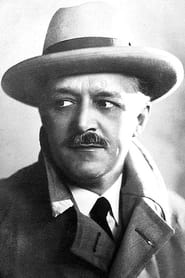
- Professor Padilla was played by Richard Carle, a veteran stage and screen actor who specialized in playing eccentric characters
- The cemetery set was so elaborate that it was preserved and used in numerous other Hal Roach productions
- A sound version was later created with added music and sound effects, but no dialogue was recorded
- The film was considered lost for many years until a complete print was discovered in the 1970s
- Stan Laurel's famous 'cry' was developed during this period and is prominently featured in the film
- The night watchman's uniform was recycled from previous Hal Roach productions to save costs
- This short was part of a series where Laurel and Hardy played various odd jobs, showcasing their versatility as comedy performers
Visual style
The cinematography by George Stevens employs dramatic lighting techniques typical of late silent era films, with strong contrasts between light and shadow to enhance the graveyard atmosphere. The use of arc lights to simulate moonlight creates an eerie yet comedic mood that perfectly balances the film's macabre subject matter with its humorous intentions. Stevens' camera work emphasizes the physical comedy through carefully composed wide shots that allow both comedians to be visible simultaneously during their routines. The film makes effective use of tracking shots during the chase sequences, adding kinetic energy to the proceedings. The cinematography demonstrates the sophisticated visual storytelling that had developed in silent comedy by the late 1920s.
Innovations
While not groundbreaking in technical terms, 'Habeas Corpus' demonstrates the refined techniques that had been perfected in comedy short production by the late 1920s. The film showcases sophisticated gag construction with multiple layers of comedy building upon each other. The nighttime filming techniques used for the cemetery scenes were advanced for the period, requiring specialized lighting equipment and careful exposure control. The film's editing demonstrates the rapid pacing that had become standard in comedy shorts, with cuts timed to maximize comic effect. The production design of the graveyard set was particularly notable for its detail and effectiveness in creating atmosphere on a studio backlot.
Music
As a silent film, 'Habeas Corpus' originally had no synchronized soundtrack, but was accompanied by live musical performance in theaters. The typical score would have included popular songs of the era and classical pieces chosen to match the mood of each scene. A sound version was later created with added music and sound effects, utilizing the standard Hal Roach library of comedic sounds and musical cues. The musical accompaniment emphasized the spooky atmosphere of the graveyard scenes while maintaining the light-hearted comedic tone. Modern restorations include newly composed scores by silent film specialists who recreate the musical style of the late 1920s.
Famous quotes
(Title cards in silent format) 'Professor Padilla needs bodies for his experiments!'
'$500 for each corpse! That's easy money!'
'We'll be the best grave-robbers in the business!'
Memorable scenes
- The opening sequence where Professor Padilla explains his experiments to Laurel and Hardy
- The duo's clumsy attempts to dig up a grave while trying to remain quiet
- The chase scene with the night watchman through the cemetery
- The moment when they realize they've dug up the wrong body
- The final frantic escape carrying a corpse through the town
What audiences thought
The film was very popular with theater audiences in 1928, who appreciated the duo's familiar characters in a new and outrageous situation. Audience reaction cards from the period show that viewers particularly enjoyed the graveyard chase sequence and the duo's attempts to appear casual while carrying a corpse. The film's success led to increased demand for Laurel and Hardy shorts, helping cement their status as comedy superstars. Modern audiences at revival screenings continue to respond enthusiastically to the film's physical comedy and timeless situations. The short remains a favorite among Laurel and Hardy enthusiasts and is frequently requested at classic film festivals.
Film connections
Influenced by
- Previous Laurel and Hardy shorts
- Mack Sennett comedy style
- Harold Lloyd's daredevil comedy
- Buster Keaton's deadpan humor
- Charlie Chaplin's character comedy
This film influenced
- The Laurel and Hardy sound shorts
- Abbott and Costello horror-comedies
- The Three Stooges shorts
- Modern horror-comedy films
Film restoration
The film is preserved in the Library of Congress and has been restored by the UCLA Film and Television Archive. Multiple 35mm prints exist in archives worldwide, and the film has been released on DVD and Blu-ray as part of Laurel and Hardy collections. A high-definition restoration was completed in 2016 as part of The Criterion Collection's Laurel and Hardy releases.
Where to watch
- The Criterion Channel streaming service
- Kino Lorber DVD/Blu-ray collections
- YouTube (official uploads)
- Classic film streaming services
- Film archive screenings
- Turner Classic Movies (occasional broadcasts)