
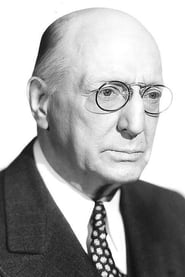
Richard Carle
Actor
Born: July 7, 1871 in Newburyport, Massachusetts, USA Died: November 28, 1941 Active: 1915-1941 Birth Name: Charles Nicholas Carleton
Films
5 films
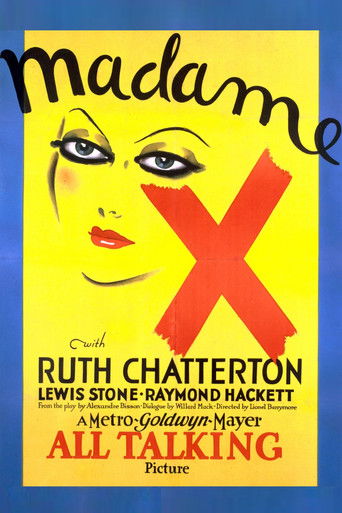
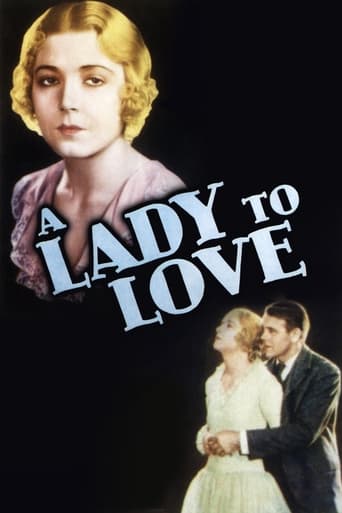
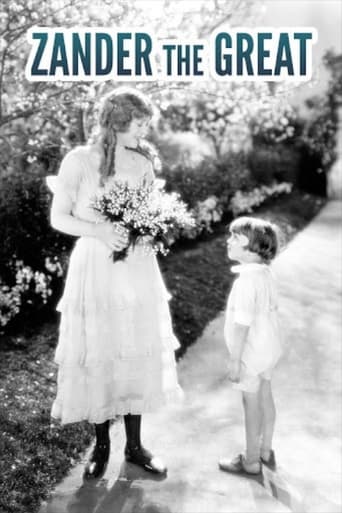
About Richard Carle
Richard Carle, born Charles Nicholas Carleton, was a prolific American character actor who successfully navigated the transition from silent films to talkies during Hollywood's transformative period. Beginning his career on the vaudeville and Broadway stages in the 1890s, Carle brought theatrical expertise to his film work when he entered movies around 1915. Richard appears in over 200 films between 1915 and 1941, establishing himself as a reliable supporting actor known for his distinctive bald head, mustache, and impeccable comic timing. Carle specialized in playing butlers, servants, and various eccentric characters, often providing comic relief in dramatic productions. His ability to adapt his stage-trained voice to the new sound medium made him particularly valuable during the early talkie era. Carle worked consistently through the 1930s, appearing in numerous films for major studios before his death in 1941, leaving behind a substantial body of work that exemplifies the character actor's crucial role in classic Hollywood cinema.
The Craft
On Screen
Carle was known for his precise comedic timing and ability to create memorable characters even in brief appearances. His stage background gave him a commanding presence and clear diction that served him well in early talkies. He specialized in playing flustered but dignified servants, often using physical comedy and facial expressions to enhance his performances. Carle's acting style blended theatrical precision with cinematic subtlety, making him particularly effective in both comedic and dramatic supporting roles.
Milestones
- Successful transition from stage to film career
- Appeared in over 200 films during 26-year career
- Successfully adapted from silent films to talkies
- Worked with major directors including Ernst Lubitsch
- Established himself as a reliable character actor in supporting roles
Best Known For
Iconic Roles
Must-See Films
Working Relationships
Worked Often With
Studios
Why They Matter
Impact on Culture
Richard Carle represents the essential character actor who formed the backbone of Hollywood's studio system. His ability to seamlessly transition from silent films to talkies exemplified the adaptability required during cinema's technological revolution. Carle's consistent presence in over 200 films demonstrated how supporting actors provided continuity and reliability during Hollywood's formative years. His work helped establish the archetype of the comic butler/servant that would become a staple in American cinema. Carle's career trajectory from stage to film mirrors the broader evolution of American entertainment in the early 20th century.
Lasting Legacy
Richard Carle's legacy lies in his substantial contribution to the fabric of classic Hollywood cinema as. His filmography serves as a valuable record of the types of supporting roles that enriched films during the silent and early sound periods. Carle's ability to create memorable characters in limited screen time established a template for future character actors. His work remains significant for film historians studying the evolution of supporting performances in American cinema. Carle's career exemplifies the journey of many stage actors who successfully adapted to the new medium of film during Hollywood's golden age.
Who They Inspired
Carle influenced subsequent generations of character actors through his demonstration of how to create memorable performances in supporting roles. His successful transition from stage to film provided a model for other theatrical performers entering cinema. Carle's work in early talkies helped establish techniques for voice performance that would influence sound film acting. His specialized character types contributed to the development of stock characters in Hollywood cinema. Many later character actors drew inspiration from Carle's ability to make brief appearances memorable and impactful.
Off Screen
Richard Carle was known primarily through his professional work, with limited public information about his personal life. He maintained a private persona off-screen, focusing on his craft rather than celebrity. His dedication to acting remained consistent throughout his career, continuing to work until shortly before his death in 1941.
Family
- Clara Grinage (1905-1913)
- Margaret L. Sutherland (1915-1941)
Did You Know?
- Born as Charles Nicholas Carleton but used Richard Carle as his stage name
- Began his career in vaudeville and Broadway before entering films
- Appeared in Buster Keaton's classic comedy 'The General' (1926)
- Was balding from a young age, which became part of his distinctive appearance
- Often played characters much older than his actual age
- Worked consistently through the Great Depression when many actors struggled to find work
- His final film 'That Uncertain Feeling' (1941) was directed by Ernst Lubitsch
- Died just weeks after completing his last film
- Never received top billing but was a recognizable face to movie audiences of his era
- His stage experience gave him an advantage in early talkies when many silent actors struggled with voice performance
In Their Own Words
As a character actor, you learn to make every moment count. Even if you're only on screen for a minute, that minute has to be memorable.
The transition from silent to sound wasn't as difficult for those of us who came from the stage. We already knew how to use our voices.
Frequently Asked Questions
Who was Richard Carle?
Screen credits include over 200 films between 1915 and 1941. Born Charles Nicholas Carleton, he successfully transitioned from stage and vaudeville to become a reliable supporting actor in both silent films and early talkies, often playing butlers, servants, and comic relief characters.
What films is Richard Carle best known for?
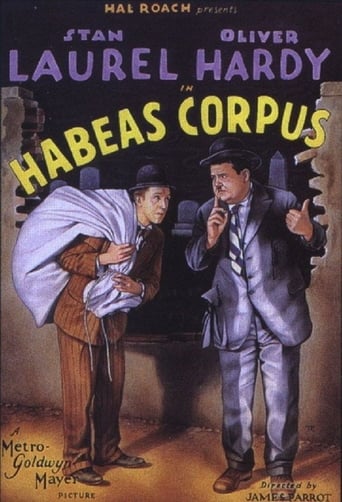
Titles linked here include Zander the Great (1925), Habeas Corpus (1928).
When was Richard Carle born and when did he die?
Born July 7, 1871; died November 28, 1941.
What awards did Richard Carle win?
Richard Carle did not receive major formal awards during his career, which was common for character actors of his era. His recognition came from his consistent employment and the respect of directors and fellow actors who valued his reliability and skill in supporting roles.
What was Richard Carle's acting style?
Carle's acting style combined theatrical precision with cinematic subtlety, drawing from his extensive stage experience. He was known for his impeccable comic timing, distinctive appearance with bald head and mustache, and ability to create memorable characters through both physical comedy and well-delivered dialogue, making him particularly effective in early talkies.