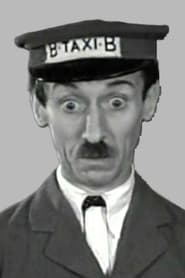
Charley Rogers
Actor
Born: October 15, 1887 in Birmingham, England, United Kingdom Died: December 20, 1956 Active: 1915-1945 Birth Name: Charles Rogers
Films
3 films
About Charley Rogers
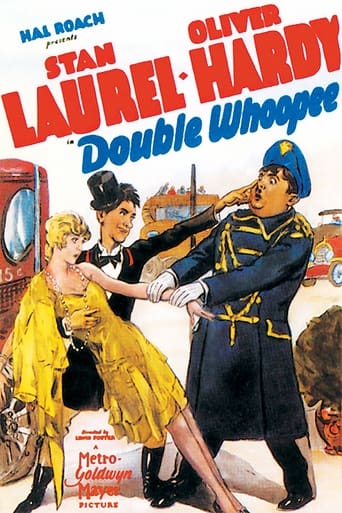
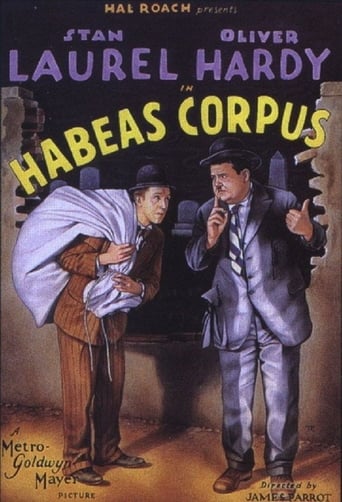
British actor, director, and writer who became an integral part of Hollywood's comedy landscape during the silent and early sound era. Born in Birmingham, England, Rogers began his entertainment career in British music halls before transitioning to films. He moved to the United States in the 1910s and quickly found work in the burgeoning film industry, initially as an actor in dramatic and comic roles. Rogers' career reached its zenith when he became a key collaborator with the comedy duo Laurel and Hardy, appearing in numerous shorts and features while also serving as a writer and director for many of their productions. His distinctive appearance, characterized by his small stature and expressive face, made him a memorable presence in dozens of classic comedies. Beyond his work with Laurel and Hardy, Rogers appeared in over 200 films throughout his career, working with other comedy greats like Charley Chase and Harry Langdon. He successfully transitioned from acting to directing and writing, demonstrating remarkable versatility in the film industry. Rogers remained active in Hollywood through the 1940s before retiring, leaving behind a substantial legacy in American comedy cinema.
The Craft
On Screen
Rogers specialized in character comedy, often playing officious types, butlers, shopkeepers, and other supporting comic roles. His physical comedy was subtle yet effective, using his diminutive stature and expressive facial features to maximum advantage. He had a talent for both verbal and visual gags, making him valuable in both silent and sound productions. Rogers' acting style was characterized by his ability to play straight man to the leads while still maintaining his own comic presence.
Milestones
- Began career in British music halls
- Moved to Hollywood in 1915
- Became regular collaborator with Laurel and Hardy
- Directed several Laurel and Hardy feature films
- Appeared in over 200 films
- Successfully transitioned from actor to director
- Wrote screenplays for numerous comedy shorts
Best Known For
Iconic Roles
Must-See Films
Accolades
Special Recognition
- Contributor to Hollywood's Golden Age of Comedy
- Recognized by Laurel and Hardy appreciation societies
Working Relationships
Worked Often With
Studios
Why They Matter
Impact on Culture
Charley Rogers played a significant role in shaping American comedy cinema during its formative years. As part of the Hal Roach Studios team, he contributed to the development of the classic two-reel comedy format that would influence generations of comedians. His work with Laurel and Hardy helped create some of the most enduring comedy films in cinema history, many of which continue to be celebrated and studied today. Rogers' ability to seamlessly transition between acting, writing, and directing demonstrated the versatility required in early Hollywood and set an example for multi-talented filmmakers. His contributions to the comedy genre helped establish many of the comedic conventions and techniques that would become standard in film comedy.
Lasting Legacy
Charley Rogers' legacy lives on through the dozens of classic comedy films he helped create, particularly his work with Laurel and Hardy. These films continue to be screened at film festivals, revival houses, and on television, introducing new generations to the golden age of comedy. Film historians and comedy scholars recognize Rogers as an important figure in the development of American film comedy, particularly in his role as a bridge between British music hall traditions and Hollywood comedy. His name appears in numerous books and documentaries about Laurel and Hardy and the Hal Roach studio system. Rogers' work represents an important chapter in the history of comedy cinema, demonstrating how supporting players and behind-the-scenes talent were essential to creating enduring entertainment.
Who They Inspired
Rogers influenced comedy filmmaking through his work as both a performer and director, helping establish many of the visual and narrative techniques that would become standard in comedy films. His ability to balance multiple roles in the production process showed future filmmakers the value of understanding all aspects of comedy creation. The character types he developed and perfected influenced how supporting comic roles would be written and performed in subsequent decades. His work with Laurel and Hardy helped create a template for comedy duo dynamics that would be emulated by countless acts that followed.
Off Screen
Charley Rogers maintained a relatively private personal life despite his lengthy Hollywood career. He married fellow actress Vivien Oakland in 1925, though the marriage eventually ended in divorce. Rogers was known among his colleagues as a hardworking and reliable professional who took his craft seriously. He lived primarily in the Los Angeles area throughout his American career, maintaining connections with the British expatriate community in Hollywood. After retiring from films, he lived a quiet life away from the public eye.
Education
Limited formal education, trained in British music hall tradition
Family
- Vivien Oakland (1925-1930)
Did You Know?
- Appeared in more than 200 films during his career
- Was a key member of the Hal Roach Studios comedy team
- Often played butlers and hotel clerks in Laurel and Hardy films
- Directed several Laurel and Hardy features in the late 1930s
- Began his career in British music halls as a teenager
- Was one of the few British actors to become a regular in American comedy films
- Sometimes credited as Charles Rogers in earlier films
- Worked as both actor and director on the same film on multiple occasions
- Was known for his reliability and professionalism on set
- Maintained his British accent throughout his American career
In Their Own Words
Comedy is serious business - you have to take it seriously to make it funny
Working with Laurel and Hardy was like being part of a perfect machine - every piece had to work exactly right
In comedy, timing isn't everything, it's the only thing
Frequently Asked Questions
Who was Charley Rogers?
British actor, on YTB.my. He appeared in over 200 films and was particularly known for his work at Hal Roach Studios, where he played numerous supporting roles and eventually directed several Laurel and Hardy feature films.
What films is Charley Rogers best known for?
Titles linked here include Sons of the Desert (1933), Our Relations (1936).
When was Charley Rogers born and when did he die?
Born October 15, 1887; died December 20, 1956.
What awards did Charley Rogers win?
Despite his extensive contributions to comedy cinema, Charley Rogers did not receive major formal awards during his lifetime. However, his work is recognized and celebrated by film historians and Laurel and Hardy appreciation societies as an important part of Hollywood's comedy legacy.
What was Charley Rogers' acting style?
Rogers specialized in character comedy, often playing officious types, butlers, and shopkeepers. His style combined subtle physical comedy with expressive facial features, making him effective in both silent and sound films. He excelled at playing the straight man while maintaining his own comic presence.