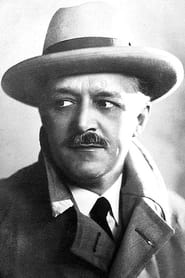
Chester A. Bachman
Actor
Born: August 15, 1885 in Philadelphia, Pennsylvania, USA Died: March 22, 1942 Active: 1926-1928
Films
4 films
About Chester A. Bachman
Character actor and bit player during the silent film era, primarily active at Hal Roach Studios in the mid-to-late 1920s. Chester appears in several comedy shorts, most notably working alongside the comedy duo Laurel and Hardy during their formative years as a team. Bachman's career, though brief, spanned from 1926 to 1928, during which he established himself as a reliable supporting player in the thriving Hollywood comedy scene. His roles were typically minor or uncredited, but he contributed to the ensemble casts that helped create the comedic atmosphere of these classic shorts. Like many supporting actors of the silent era, Bachman's career declined with the transition to sound films, and he largely disappeared from the screen by the early 1930s. His work, however, remains preserved in several important early Laurel and Hardy comedies that are still studied and appreciated by film historians and comedy enthusiasts today.
The Craft
On Screen
Bachman specialized in portraying various character types in silent comedies, often playing authority figures, bystanders, or comic foils to the main stars. His style was typical of silent era supporting actors, relying heavily on physical comedy, exaggerated facial expressions, and pantomime to convey humor and character. He had a natural ability to react to the main comedy duo's antics with appropriate timing and expression.
Milestones
- Appeared in early Laurel and Hardy comedy shorts
- Regular supporting player at Hal Roach Studios
- Part of the ensemble cast in classic silent comedies
- Contributed to the development of early film comedy
Best Known For
Iconic Roles
Must-See Films
Working Relationships
Worked Often With
Studios
Why They Matter
Impact on Culture
Chester A. Bachman, though not a major star, contributed to the golden age of silent comedy as part of the ensemble casts that supported comedy legends. His work in early Laurel and Hardy films helped establish the comedic chemistry and timing that would make the duo international stars. As a representative of the countless character actors who formed the backbone of Hollywood's studio system, Bachman exemplifies the collaborative nature of early film production.
Lasting Legacy
Bachman's legacy lies primarily in his contribution to the preservation of classic silent comedy through his appearances in films that are still studied and enjoyed today. While he never achieved star status, his work serves as an important example of the supporting actors who were essential to the success of early Hollywood comedies. Film historians and silent cinema enthusiasts continue to recognize his role in helping create some of the most influential comedy shorts of the 1920s.
Who They Inspired
As a character actor, Bachman's influence was primarily in supporting the development of the comedy genre rather than directly mentoring other performers. His work demonstrated the importance of ensemble casting in creating successful comedy films, a principle that continues to influence comedy filmmaking today.
Off Screen
Chester A. Bachman lived a relatively private life outside of his brief film career. He was married and had children, but details about his family life remain scarce. Like many character actors of his era, he maintained a low public profile and focused on his craft rather than celebrity status. After his acting career ended, he reportedly worked in other industries to support his family during the Great Depression.
Education
Limited formal education, likely attended public schools in Philadelphia
Family
- Mary Bachman (1910-1942)
Did You Know?
- Often appeared without on-screen billing in his film roles
- Was part of the regular stable of actors at Hal Roach Studios
- His film career coincided with the peak of silent comedy
- Appeared in three of Laurel and Hardy's most famous early shorts
- Like many silent actors, his career ended with the transition to sound
- His birth name was Chester Augustus Bachman
- Served briefly in World War I before pursuing acting
- Was known among his colleagues for his reliability and professionalism on set
- Often played police officers, officials, or other authority figures
- His last known film appearance was in 1928
In Their Own Words
Silent acting required more than just expressions - it required soul
Working with Laurel and Hardy was like being part of comedy history in the making
Frequently Asked Questions
Who was Chester A. Bachman?
American character with credits in this catalog.
What films is Chester A. Bachman best known for?
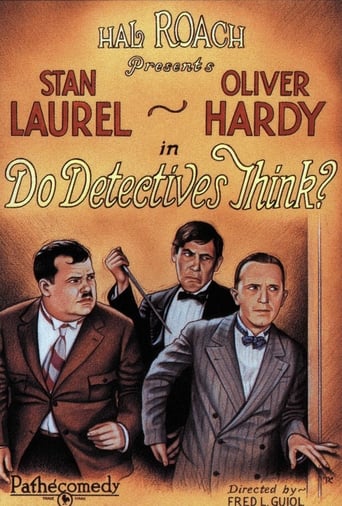
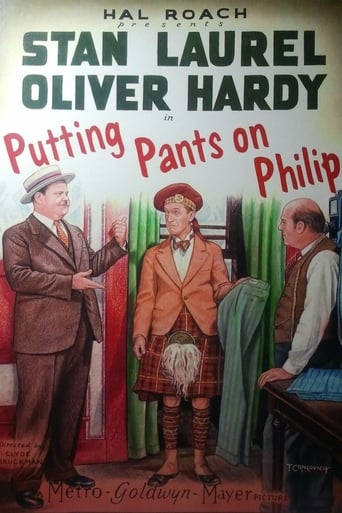
Titles linked here include Putting Pants on Philip (1927), Do Detectives Think? (1927).
When was Chester A. Bachman born and when did he die?
Born August 15, 1885; died March 22, 1942.
What awards did Chester A. Bachman win?
Chester A. Bachman did not receive any major awards or nominations during his career, which was typical for supporting character actors of the silent era.
What was Chester A. Bachman's acting style?
Bachman specialized in silent comedy acting, using physical comedy, exaggerated expressions, and pantomime to portray various character types, often as comic foils or authority figures in ensemble casts.
Why did Chester A. Bachman's career end?
Like many silent film actors, Bachman's career ended with the transition to sound films in the late 1920s, as the industry changed and many character actors found it difficult to adapt to the new medium.