Putting Pants on Philip
"Kilts versus proper pants"
Keys: Space play/pause · ←/→ 10s · F fullscreen · M mute · </> speed
About this film
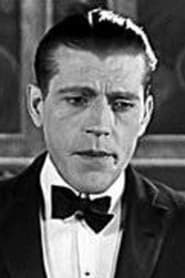
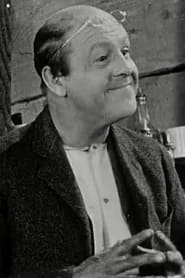
Laurel and Hardy's first official pairing has uncle Mumblethunder wrestle kilts off Scottish nephew Philip. Pompous J. Piedmont Mumblethunder greets his nephew from Scotland who arrives in kilts. He is immediately taken to a tailor for a pair of proper pants.
Cast & crew
More films like this
More Comedy films
View all →







More from Clyde Bruckman
View all →

More about this film
About the production
Release dateDecember 3, 1927
Box officeUnknown
ProductionHal Roach Studios
Filmed inLos Angeles, California, Hal Roach Studios lot
This was one of the first films to officially pair Stan Laurel and Oliver Hardy as a comedy team, though they had appeared in several films together before. The film was shot in just a few days on the Hal Roach lot. The elaborate staircase sequence required multiple takes due to the precise timing needed for the pants to fall at the right moments. The streetcar scene was particularly challenging to film as it required coordination with actual streetcar schedules on location.
Themes
Culture clashAssimilationSocial proprietyFamily relationshipsAppearance vs. reality
Themes & topics
Scottish kiltUncle nephew relationshipClothing mishapStaircase comedyTailor shopStreetcarPhysical comedySilent filmTwo-reelerCulture shock
Historical background
1927 placed Putting Pants on Philip within United States cinema as Hal Roach Studios navigated wartime markets, immigration audiences, and the shift from intertitles to sound.
Why this film matters
Archivists revisit Putting Pants on Philip (1927) for Clyde Bruckman style, genre norms at Hal Roach Studios, and the exhibition context of 20 minutes programming.
Making of
The production of 'Putting Pants on Philip' marked a turning point in comedy history. Director Clyde Bruckman, who had worked extensively with Buster Keaton, brought his expertise in visual comedy to the project. The film was developed specifically to showcase the chemistry between Laurel and Hardy, who had been appearing together in various Roach films but hadn't yet been officially paired. The script was written with input from both comedians, allowing them to develop their signature characters. The famous pants-losing sequence required careful choreography and timing, with Laurel having to practice the exact movements to ensure the comedic effect worked perfectly. The production team built a special staircase with removable steps to enhance the visual gags. Filming took place over several days at the Hal Roach Studios in Culver City, with location shooting on actual Los Angeles streets for the streetcar sequence.
What critics said
Retrospective writing on Putting Pants on Philip stresses craft by Clyde Bruckman, print survival, and repertory value rather than opening-week gross alone.
Did you know?
- This film is considered the first 'official' Laurel and Hardy comedy, establishing their classic character dynamic with Hardy as the pompous straight man and Laurel as the childlike troublemaker
- The original title was 'The Kilt' but was changed to 'Putting Pants on Philip' to better describe the central comic premise
- Stan Laurel's Scottish accent and mannerisms were so convincing that many audiences believed he was actually Scottish
- The film was a critical and commercial success, leading Hal Roach to officially team Laurel and Hardy as a permanent comedy duo
- The famous staircase scene where Philip repeatedly loses his pants was filmed using a specially constructed set with removable steps to enhance the comic effect
- Chester A. Bachman, who plays the tailor, was a regular supporting actor in Hal Roach comedies
- The film was shot during the transition from silent films to talkies, but was released as a silent film with musical accompaniment
- The kilt that Stan Laurel wore was authentic Scottish wool, weighing nearly 15 pounds
- The film's premise was based on a vaudeville sketch that Stan Laurel had performed in his music hall days in England
- This short film was often paired with feature films in theaters, serving as a popular comedy opener
Visual style
The cinematography by George Stevens employs classic silent comedy techniques with careful attention to visual framing and timing. The camera work emphasizes the physical comedy through wide shots that capture full body movements, particularly crucial for the pants-losing gags. The staircase sequence uses a combination of static and moving shots to maximize the comic effect, with careful framing ensuring that the audience sees both the cause and effect of each mishap. The streetcar scene demonstrates innovative use of depth of field for its time, creating layered comedy with multiple actions occurring simultaneously. The lighting techniques, typical of Hal Roach productions, use natural light when possible to create a bright, cheerful atmosphere that enhances the comedic tone.
Innovations
While not technically innovative in terms of camera work or editing, 'Putting Pants on Philip' perfected the art of comedic timing and physical comedy construction. The film's use of multiple locations within a short runtime demonstrated efficient production planning. The staircase sequence required innovative set construction with removable steps and trap doors to achieve the desired comic effects. The film also showcased advanced techniques in continuity editing for comedy, ensuring that gags landed with maximum impact through precise cut timing. The coordination required for the streetcar scene, involving actual public transportation, demonstrated the production team's ability to control complex outdoor sequences.
Music
As a silent film, 'Putting Pants on Philip' was originally accompanied by live musical scores in theaters. The typical orchestration included jaunty Scottish tunes for Philip's entrance, frantic ragtime pieces for the chase sequences, and comedic stinger music for the pants-losing moments. The Hal Roach music department provided cue sheets to theater orchestras, suggesting specific musical pieces for each scene. Modern restorations have been released with newly composed scores by silent film experts, including versions by Robert Israel and the Mont Alto Motion Picture Orchestra. These scores attempt to recreate the authentic 1920s moviegoing experience while using modern recording technology.
Famous quotes
Mumblethunder: 'You can't go around dressed like that! This is America!'
Mumblethunder: 'We must get you some proper trousers immediately!'
Tailor: 'Well now, let's see what we can do for this young gentleman... in a kilt!'
Mumblethunder: 'Philip, for goodness sake, keep your trousers on!'
Mumblethunder: 'The embarrassment! The sheer embarrassment!'
Memorable scenes
- The iconic staircase sequence where Philip repeatedly loses his newly acquired pants while descending the stairs, with each fall becoming more elaborate and comical than the last
- The opening train station scene where Philip first appears in his Scottish kilt, causing immediate shock and horror to his proper uncle Mumblethunder
- The tailor shop scene where Philip struggles with trying on various pairs of pants, leading to chaos in the normally orderly establishment
- The streetcar scene where Philip's kilt gets caught in the tracks, creating panic and confusion while Mumblethunder tries desperately to maintain decorum
What audiences thought
Audiences in 1927 absolutely adored 'Putting Pants on Philip,' with theaters reporting that it generated some of the biggest laughs of any comedy short that year. The film's simple premise of a man trying to put pants on his kilt-wearing nephew resonated with viewers of all backgrounds. Audience reaction was so positive that Hal Roach immediately green-lit more Laurel and Hardy collaborations. The film became a repeat favorite in theaters, with many venues bringing it back for encore showings due to popular demand. Contemporary audience letters to film magazines frequently mentioned the staircase scene as their favorite moment, and the film helped establish Laurel and Hardy as beloved comedy stars whose popularity would endure for decades.
Film connections
Influenced by
- Vaudeville comedy routines
- Mack Sennett comedy style
- Buster Keaton's physical comedy
- Charlie Chaplin's character development
- Harold Lloyd's everyday comedy
This film influenced
- All subsequent Laurel and Hardy films
- The Three Stooges shorts
- Abbott and Costello films
- Martin and Lewis comedies
- Modern physical comedy films
Film restoration
The film is well-preserved and has been restored multiple times. The original 35mm negative is stored in the UCLA Film and Television Archive. Several high-quality digital restorations have been completed, including versions by The Criterion Collection and Kino Lorber. The film remains in excellent condition with no missing scenes or significant deterioration. It has been included in numerous Laurel and Hardy box sets and is readily available for viewing.
Where to watch
- The Criterion Collection streaming service
- Kino Lorber DVD/Blu-ray collections
- The Laurel and Hardy Official YouTube Channel
- Amazon Prime Video (various collections)
- Classic film streaming services like FilmStruck (when available)
- Public domain archives
- TCM (Turner Classic Movies) broadcasts