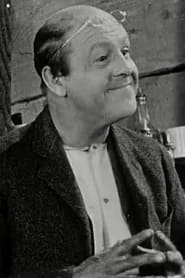
Harvey Clark
Actor
Born: October 4, 1885 in Chelsea, Massachusetts, USA Died: July 14, 1938 Active: 1915-1938
Films
4 films


About Harvey Clark
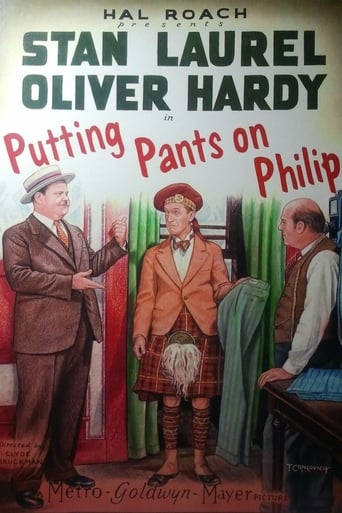
Prolific American character actor: the transition from silent films to early sound cinema. Born in Chelsea, Massachusetts in 1885, Clark began his film career in the mid-1910s and quickly established himself as a reliable supporting actor, often portraying authority figures such as judges, doctors, and businessmen. His distinctive appearance, with a bald head and mustache, made him instantly recognizable to audiences. Clark worked extensively with comedy teams, most notably appearing in several Laurel and Hardy films including the classic short 'Putting Pants on Philip' (1927). Throughout the late 1920s and 1930s, he appeared in over 200 films, demonstrating remarkable versatility across both dramatic and comedic roles. His career continued successfully into the sound era, where his articulate delivery and commanding presence served him well. Clark remained active until his death in 1938, leaving behind an extensive body of work that exemplifies the character actor's crucial role in classic Hollywood cinema.
The Craft
On Screen
Harvey Clark was known for his distinctive character acting style, specializing in portraying authority figures with a perfect blend of gravitas and subtle comedy. His performances were marked by precise articulation and a commanding presence that made him ideal for roles as judges, doctors, and officials. In comedic contexts, Clark excelled at playing the straight man to comedy duos, maintaining a dignified demeanor while chaos ensued around him. His timing was impeccable, allowing him to deliver both dramatic lines and comedic reactions with equal effectiveness. Clark's bald head and mustache became his trademark, making him instantly recognizable to audiences of the era.
Milestones
- Appeared in over 200 films during his career
- Worked extensively with Laurel and Hardy comedy team
- Successfully transitioned from silent films to talkies
- Featured in Hal Roach comedy productions
- Played diverse authority figures across multiple genres
Best Known For
Iconic Roles
Must-See Films
Working Relationships
Worked Often With
Studios
Why They Matter
Impact on Culture
Harvey Clark's contribution to early cinema lies in his embodiment of the quintessential character actor who provided essential support to leading players and comedy teams. His work with Laurel and Hardy helped establish the dynamic between straight men and comedians that would become a cornerstone of film comedy. Clark represented the professional character actor who could seamlessly transition between dramatic and comedic roles, demonstrating the versatility needed during the rapidly evolving film industry of the 1920s and 1930s. His extensive filmography serves as a valuable record of the types of supporting roles that were crucial to the success of Hollywood's studio system.
Lasting Legacy
Harvey Clark's legacy endures through his extensive body of work, particularly his contributions to classic comedy films of the late silent and early sound era. As a character actor who appeared in over 200 films, he exemplifies the unsung heroes of Hollywood's golden age who provided the essential foundation upon which stars built their performances. His work with comedy legends like Laurel and Hardy ensures that his performances continue to be appreciated by film enthusiasts and historians. Clark represents the journeyman actor whose reliability and versatility made him an invaluable asset to the studio system, and his career shows the importance of character actors in creating memorable cinema.
Who They Inspired
While Harvey Clark was not a star who influenced future generations through groundbreaking techniques, his consistent and professional approach to character acting set a standard for supporting players in Hollywood. His ability to effectively play authority figures in both dramatic and comedic contexts demonstrated the importance of versatility for character actors. His successful transition from silent films to talkies provided a model for other actors facing the challenges of new technology. Clark's work with comedy teams helped refine the role of the straight man in film comedy, influencing how future character actors would approach similar roles.
Off Screen
Harvey Clark maintained a relatively private personal life despite his extensive film career. He married actress Lillian Lawrence in 1915, and their marriage lasted until his death in 1938. The couple often worked together in films during the silent era. Clark was known among his colleagues as a reliable and professional actor who was always prepared for his roles. Despite his prolific output, he managed to keep his personal affairs out of the Hollywood spotlight, focusing instead on his craft and maintaining steady employment throughout his career.
Family
- Lillian Lawrence (1915-1938)
Did You Know?
- Appeared in over 200 films during his 23-year career
- His distinctive bald head and mustache made him
- Worked extensively at Hal Roach Studios, the comedy factory that produced Laurel and Hardy films
- Often played the same type of authority figure across different films, becoming typecast in a positive way
- His wife Lillian Lawrence was also an actress who frequently appeared in films with him
- Despite his prolific output, he never received star billing but was always in demand
- Died relatively young at age 52, cutting short a productive career
- Was part of the stock company of character actors that Hal Roach relied upon for his productions
- His ability to deliver dialogue clearly made him valuable during the transition to sound films
- Often without on-screen billing in his earlier film roles, despite having substantial screen time
Frequently Asked Questions
Who was Harvey Clark?
Screen credits include over 200 films during the silent era and early sound period. He was best known for playing authority figures and working frequently with comedy teams, particularly Laurel and Hardy.
What films is Harvey Clark best known for?
Titles linked here include Putting Pants on Philip (1927), Get Your Man (1927).
When was Harvey Clark born and when did he die?
Born October 4, 1885; died July 14, 1938.
What awards did Harvey Clark win?
Harvey Clark did not receive any major awards during his career, which was typical for character actors of his era. His recognition came through consistent work and the respect of his colleagues in the film industry.
What was Harvey Clark's acting style?
Harvey Clark specialized in portraying authority figures with a distinctive style that blended gravitas with subtle comedy. He excelled as the straight man in comedies, maintaining a dignified presence while chaos ensued around him, and was known for his clear articulation and commanding screen presence.