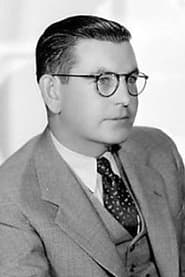
Clyde Bruckman
Director
Born: September 20, 1894 in San Bernardino, California, USA Died: January 4, 1955 Active: 1919-1933 Birth Name: Clyde A. Bruckman
Films
9 films
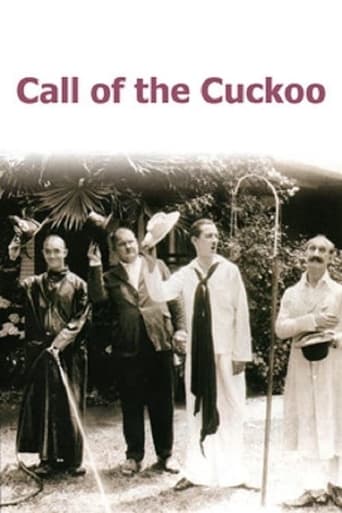
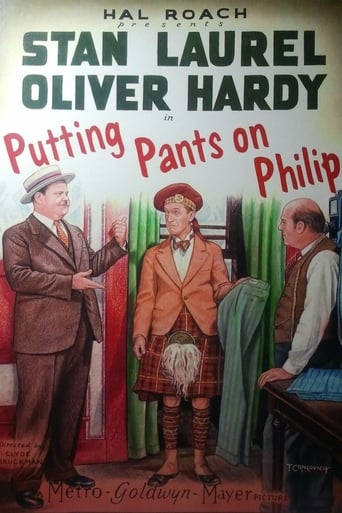
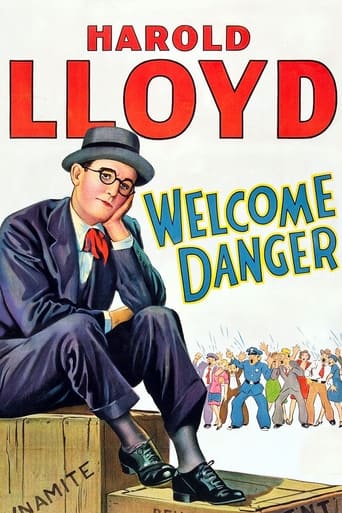
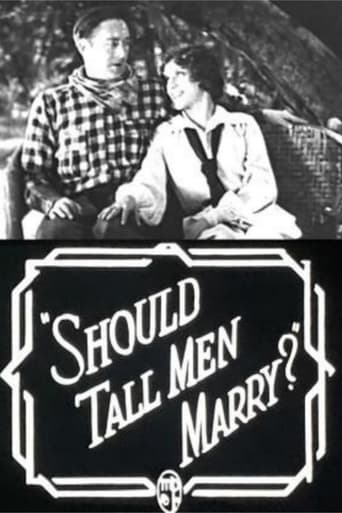

About Clyde Bruckman
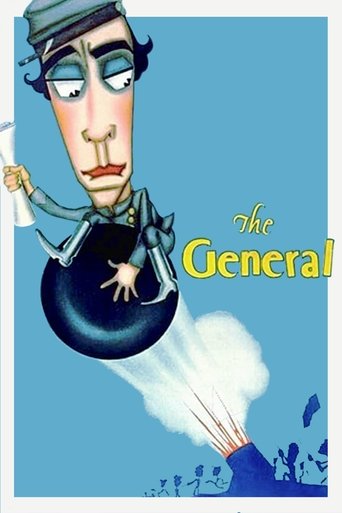
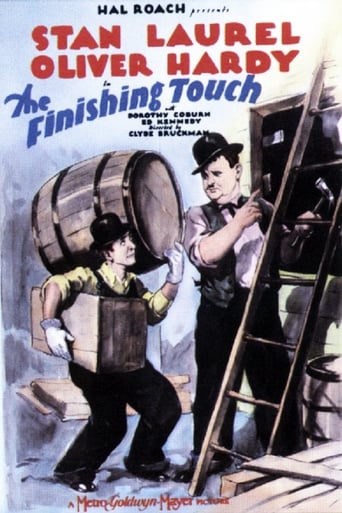
Highly influential American film director and screenwriter during the silent era and early sound period, best known for his collaborations with comedy legends like Buster Keaton and Harold Lloyd. Born in San Bernardino, California, Bruckman began his career as a journalist before transitioning to the film industry as a scenario writer in the early 1920s. He quickly rose through the ranks to become sought-after comedy directors of his era, helming numerous classic shorts and features that showcased his mastery of visual gags and comedic timing. Bruckman's most celebrated work came during his partnership with Buster Keaton, where he co-directed and wrote several of Keaton's masterpieces including the 'The General' (1926). His career flourished throughout the late 1920s with a string of successful comedy shorts for Hal Roach Studios, working with stars like Laurel and Hardy and Charley Chase. However, Bruckman's career declined dramatically with the advent of sound films, as he struggled to adapt his visual comedy style to the new medium. Plagued by alcoholism and financial troubles, his later years were marked by personal tragedy, and he ultimately died by suicide in 1955 at the age of 60, ending the life of a man who had helped shape the golden age of silent comedy.
The Craft
Behind the Camera
Bruckman was known for his meticulous attention to visual comedy and precise gag construction, specializing in physical comedy and elaborate stunt sequences. His directing style emphasized timing, pacing, and the seamless integration of multiple gags within single scenes, often employing complex camera movements to enhance comedic effect. He had a particular talent for orchestrating large-scale comic sequences, as evidenced in 'The General,' where he helped coordinate the spectacular train chase scenes. Bruckman's approach was highly collaborative, working closely with performers to develop their comedic personas while maintaining tight control over the technical aspects of filmmaking.
Milestones
- Co-directed 'The General' (1926) with Buster Keaton
- Directed numerous comedy shorts for Hal Roach Studios
- Wrote scenarios for Harold Lloyd films
- Collaborated with Laurel and Hardy on several shorts
- Transitioned from journalism to successful film career
Best Known For
Must-See Films
Accolades
Special Recognition
- Contributed to films preserved in the National Film Registry
- Recognized as an important figure in silent comedy history
Working Relationships
Worked Often With
Studios
Why They Matter
Impact on Culture
Clyde Bruckman's impact on silent comedy was profound, though often overlooked in historical accounts that focus more on the stars he directed. His contributions to the development of visual comedy techniques helped establish the language of film comedy that would influence generations of filmmakers. The films he directed, particularly those with Buster Keaton and Laurel and Hardy, remain among the most celebrated comedies of the silent era, showcasing his ability to blend sophisticated humor with spectacular physical comedy. His work on 'The General' is frequently cited as one of the greatest achievements in American cinema, with the film's technical brilliance and comic innovation owing much to Bruckman's directorial input and scenario construction.
Lasting Legacy
Despite his tragic end, Clyde Bruckman left an indelible mark on comedy cinema through his innovative gag construction and directorial techniques. His films continue to be studied by film scholars and comedy enthusiasts for their brilliant timing, visual sophistication, and enduring humor. Many of the shorts he directed for Hal Roach, particularly the Laurel and Hardy comedies, remain beloved classics that are regularly screened at film festivals and revival houses. Bruckman's approach to comedy writing and directing influenced countless filmmakers who followed, and his techniques for building and executing complex comic sequences became standard practices in the industry. His story serves as both an inspiration for his artistic achievements and a cautionary tale about the personal costs of Hollywood success.
Who They Inspired
Bruckman's influence can be seen in the work of later comedy directors who adopted his methods of gag construction and visual storytelling. His collaborative approach with performers set a precedent for director-star partnerships in comedy films. The technical innovations he helped develop, particularly in chase sequences and large-scale comic set pieces, became standard elements in comedy filmmaking. Directors like Jacques Tati, Blake Edwards, and even modern comedy filmmakers owe a debt to Bruckman's work in establishing the visual language of film comedy. His emphasis on precision timing and the careful choreography of physical comedy continues to influence how comedy is conceived and executed in contemporary cinema.
Off Screen
Bruckman's personal life was marked by professional success overshadowed by personal struggles, including severe alcoholism that ultimately derailed his career. He married twice, first to actress and screenwriter Kathryn Kay, and later to Alma Bruckman, with both marriages ending in divorce. His financial difficulties and inability to adapt to sound films led to a downward spiral in the 1930s and 1940s. Tragically, his life ended when he took his own life with a pistol borrowed from his friend, screenwriter W.C. Tuttle, after years of depression and financial hardship.
Education
Attended public schools in San Bernardino, California; worked as journalist before entering film industry
Family
- Kathryn Kay (1920s-1930s)
- Alma Bruckman (1940s-1950s)
Did You Know?
- Despite his significant contributions, Bruckman never received an on-screen director credit for 'The General', which was officially credited to Buster Keaton
- He began his film career as a journalist writing about the movie industry
- Alcoholism severely impacted his career in the early 1930s, leading to his departure from major studio work
- His final film work was as an uncredited script doctor on several B-movies in the 1940s
- Many of his gags and comedic situations were reused in later films without credit to him
- He was one of the few directors who successfully worked with both Buster Keaton and Laurel and Hardy
- His suicide weapon was borrowed from fellow screenwriter W.C. Tuttle
- Hal Roach considered him one of his most valuable comedy directors during the late 1920s
- He helped develop many of the recurring gags and situations that became staples of Laurel and Hardy's comedy
- His name was used for a character in 'The X-Files' episode 'Clyde Bruckman's Final Repose' as a tribute
In Their Own Words
Comedy is serious business - you have to be deadly serious about making people laugh
The best gags are the ones that look simple but took weeks to perfect
In silent comedy, every frame counts - there's no dialogue to fall back on
Working with Keaton was like conducting an orchestra where every instrument was a gag
Frequently Asked Questions
Who was Clyde Bruckman?
American on YTB.my. He directed several classic comedy films including 'The General' (1926) and numerous shorts for Hal Roach Studios before his career declined due to alcoholism and personal struggles.
What films is Clyde Bruckman best known for?
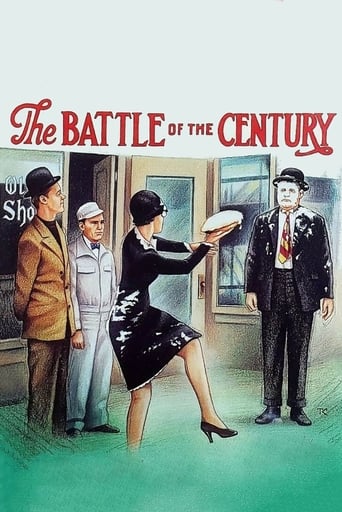
Titles linked here include The General (1926), The Battle of the Century (1927).
When was Clyde Bruckman born and when did he die?
Born September 20, 1894; died January 4, 1955.
What awards did Clyde Bruckman win?
Despite his significant contributions to cinema, Clyde Bruckman did not receive any major awards during his lifetime. However, several films he worked on, particularly 'The General,' have been recognized by the American Film Institute and preserved in the National Film Registry for their cultural and historical significance.
What was Clyde Bruckman's directing style?
Bruckman's directing style was characterized by meticulous attention to visual comedy, precise gag construction, and elaborate stunt sequences. He excelled at orchestrating large-scale comic scenes with complex timing and camera movements, particularly in chase sequences and physical comedy situations that became hallmarks of silent film comedy.