
The Battle of the Century
"Insurance fraud ends in pie war"
Keys: Space play/pause · ←/→ 10s · F fullscreen · M mute · </> speed
About this film
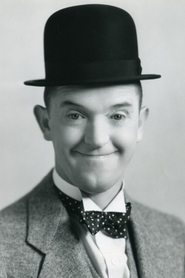
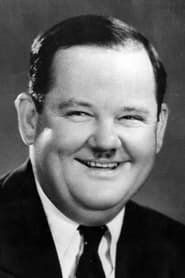
A fight manager insures his weak boxer and schemes to stage an accident for the payout, triggering Laurel and Hardy's epic pie fight in this 1927 Hal Roach short. Clyde Bruckman co-directed the two-reeler famous for its pastry battle.
Cast & crew
More films like this
More Comedy films
View all →







More from Clyde Bruckman
View all →
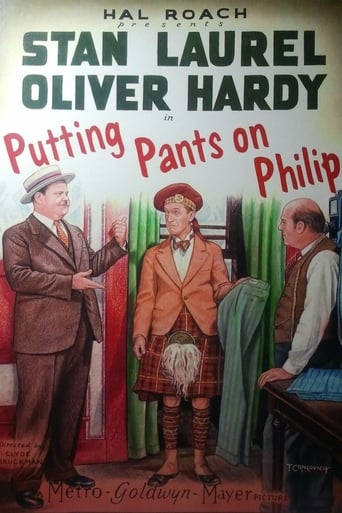
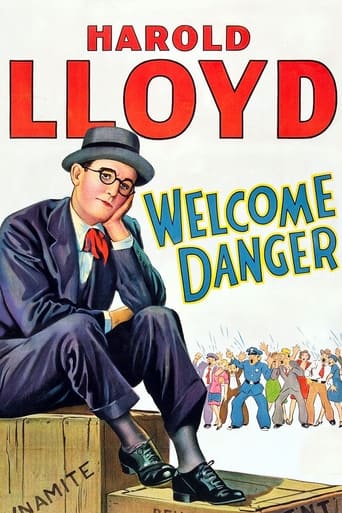
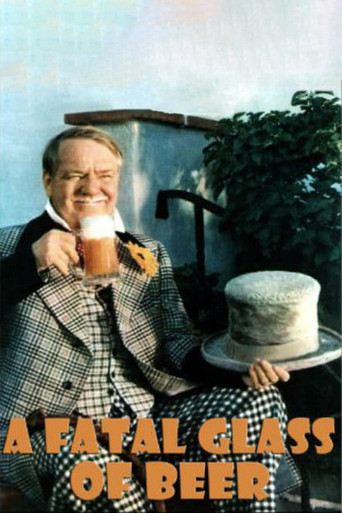

More about this film
About the production
Release dateDecember 3, 1927
ProductionHal Roach Studios
Filmed inLos Angeles, California
was produced during the early period of Laurel and Hardy's partnership, before they had fully established their classic characters. The famous pie fight scene reportedly required over 3,000 pies and took several days to film. The production was plagued by difficulties with the cream pies, which would melt under the hot studio lights, requiring constant replacement. Director Clyde Bruckman, a former collaborator with Buster Keaton, brought his expertise in visual comedy to the project, though he struggled with alcoholism during this period.
Themes
Deception and greedUnderdog triumphThe absurdity of violenceComic chaos and orderThe American dream twisted
Themes & topics
boxinginsurance fraudpie fightsilent comedyphysical comedyslapstickmanagerfighterscamchaos
Historical background
The Battle of the Century's pie fight became one of silent comedy's most celebrated set pieces, though much footage was once thought lost.
Why this film matters
'The Battle of the Century' holds immense cultural significance as influential comedy shorts ever made. the pie fight scene has been referenced, parodied, and paid homage to in countless films and television shows, from 'The Great Race' to 'The Three Stooges' and even modern productions. It established the pie fight as a comedy trope that continues to this day. The film also represents a crucial moment in the development of Laurel and Hardy's partnership, capturing their chemistry in its formative stages. As a product of the Hal Roach Studios, it exemplifies the sophisticated comedy that made the studio known as the 'Lot of Fun'. The film's rediscovery and preservation have made it an important artifact for understanding silent comedy techniques and the transition to sound cinema.
Making of
The making of 'The Battle of the Century' was marked by both creative brilliance and production challenges. Director Clyde Bruckman, though talented, was battling alcoholism during production, which sometimes caused delays. The pie fight sequence was the most technically challenging aspect, requiring precise timing and coordination. The cream pies had to be constantly remade because they would melt under the intense studio lighting. The cast and crew reportedly had to change clothes multiple times during filming due to the mess. Stan Laurel, who was involved in the creative process, suggested many of the gags and helped refine the comedy timing. The film was made during a transitional period at Hal Roach Studios, as they were moving from one-reel to two-reel comedies, allowing for more complex storytelling and bigger production values.
What critics said
Comedy historians rank the pie sequence among the genre's peaks; rediscovered elements renewed interest in the short's complete form.
Did you know?
- features what is widely considered the greatest pie fight sequence in cinema history, using over 3,000 pies in the climactic scene.
- The film was believed to be partially lost for decades, with only the first reel surviving until a complete copy was discovered in the 1970s.
- The pie fight scene was so messy that the studio had to completely clean and repaint the set before filming could continue.
- Stan Laurel reportedly suffered from eye irritation for days after filming the pie fight due to the cream getting in his eyes.
- This was one of the early films where Laurel and Hardy were billed as a comedy team, though they hadn't yet fully developed their classic characters.
- The film's title was a parody of the popular boxing films of the era, particularly those starring Jack Dempsey.
- Director Clyde Bruckman reused some gags from in later comedies he directed for other studios.
- The insurance scam plot was a common theme in silent comedies, reflecting public fascination with the growing insurance industry.
- The boxing sequences were choreographed by professional boxers to ensure authenticity despite the comedic intent.
- was released just months before 'The Jazz Singer' changed cinema forever with the advent of sound.
Visual style
The cinematography by Floyd Jackman and George Stevens employs classic silent comedy techniques designed to maximize visual humor. Wide shots are used effectively to capture the scale of the pie fight and allow the audience to see multiple gags occurring simultaneously. The camera work is precise in its timing, particularly in the boxing sequences where the comedy relies on perfect visual rhythm. The lighting, while standard for the period, creates dramatic shadows that enhance the comedy in the boxing scenes. The film uses innovative camera angles for some gags, including low angles that exaggerate the size of the boxer's opponents. The photography maintains clarity throughout the messy pie fight, ensuring that every detail of the chaos remains visible to the audience.
Innovations
The film's most significant technical achievement is the execution of the massive pie fight sequence, which required innovative approaches to filming chaos. The production developed special techniques for throwing pies accurately and safely, using different consistencies of cream for various effects. The timing and coordination of multiple actors throwing pies simultaneously represented a major choreographic achievement. The film also demonstrates sophisticated editing techniques for its time, particularly in the rapid cutting during the boxing match to build comedic tension. The special effects, while simple by modern standards, were effective in creating the illusion of a professional boxing environment. The production design for the boxing arena was elaborate for a comedy short, showing the growing budget and ambition of Hal Roach productions.
Music
As a silent film, 'The Battle of the Century' originally had no synchronized soundtrack. It would have been accompanied by live musical performance in theaters, typically a piano or organ player. The musical score would have been compiled from various classical pieces and popular songs of the era, chosen to match the mood of each scene. For the boxing sequences, rousing marches or popular fight songs would have been played, while more romantic or comic pieces would accompany other scenes. Modern restorations of the film have featured newly composed scores by silent film accompanists, often using period-appropriate music. Some versions have used jazz-influenced scores that reflect the popular music of 1927, creating an authentic period atmosphere.
Famous quotes
As a silent film, dialogue was conveyed through intertitles. Key intertitles included: 'A manager with a brilliant idea!', 'The insurance policy is signed!', 'The fight of the century is about to begin!', 'May the best man win... or lose!'
Memorable scenes
- the pie fight sequence that fills the entire screen with flying cream pies, escalating from a single pie to hundreds being thrown simultaneously in perfect comic choreography
- The boxing match where the scrawny fighter unexpectedly holds his own, leading to the manager's frantic attempts to sabotage his own fighter
- The opening scenes establishing the insurance scam with the manager's gleeful calculations of potential payouts
- The training sequence where the fighter's apparent weakness is comically exaggerated through various failed exercises
- The final reveal where the pie fight's aftermath shows every character completely covered in cream
What audiences thought
The film was a popular success upon its release, drawing enthusiastic crowds to theaters. Audiences particularly responded to the escalating chaos and the relatable underdog story. The pie fight scene became through word-of-mouth, with many theater patrons reportedly returning for repeat viewings just to see that sequence. In the decades since, the film has maintained its appeal among silent film enthusiasts and comedy fans. Modern audiences discovering the film through screenings at film festivals and on home media continue to respond positively to its timeless physical comedy. The film's reputation has grown over time, with many considering it superior to many contemporary comedies due to its pure visual storytelling and lack of dialogue dependency.
Film connections
Influenced by
- The General (1926)
- Buster Keaton's boxing films
- Charlie Chaplin's boxing sequence in 'The Champion'
- Mack Sennett's pie fight comedies
- Harold Lloyd's sports comedies
This film influenced
- The Three Stooges' 'Micro-Phonies'
- Blake Edwards' 'The Great Race'
- Mel Brooks
- Silent Movie
- The Coen Brothers' 'The Hudsucker Proxy'
- Jackie Chan
- s action comedies
Film restoration
For decades, 'The Battle of the Century' was considered a partially lost film, with only the first reel surviving. The complete film was rediscovered in the 1970s, and a restored version is now preserved by the Library of Congress and the UCLA Film and Television Archive. The restoration has maintained the film's original visual quality while repairing damage from age. The film is now considered fully preserved and is part of the Criterion Collection's Laurel and Hardy releases, ensuring its availability for future generations.
Where to watch
- The Criterion Collection Blu-ray/DVD 'Laurel and Hardy: The Essential Collection'
- Kino Lorber DVD releases
- Streaming services specializing in classic films such as The Criterion Channel
- Public domain versions available on YouTube and Internet Archive
- Occasional screenings at film festivals and classic cinema revival houses