Films
2 films
About Al Hallett
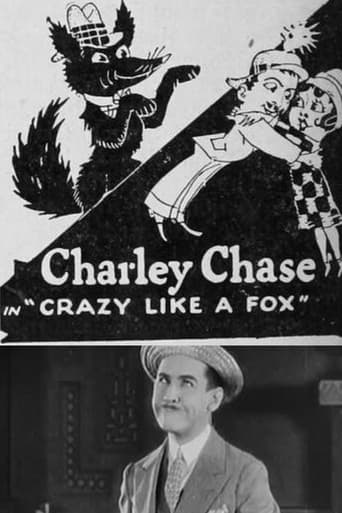
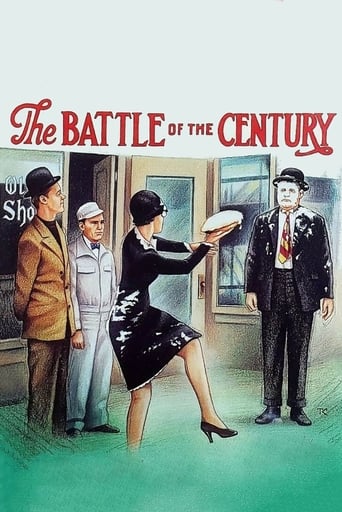
Silent-era film actor: surviving screen credits place him briefly in American comedy shorts during the late 1920s. He is documented in cast listings for Crazy Like a Fox (1926) and the Laurel and Hardy short The Battle of the Century (1927), indicating that he worked in the bustling ecosystem of silent slapstick at a time when studios relied heavily on ensembles of reliable bit players and supporting performers. Because his name appears in extant film records but he does not surface prominently in contemporary publicity or later reference works, he appears to have been a minor character actor rather than a star whose fame carried into the sound era. His career arc, as currently traceable, is therefore extremely compact and centered on a very small number of surviving credits rather than a long, well-documented body of work. He belongs to the broad class of silent-era performers whose contributions helped populate comedies, but whose personal histories were often not preserved in detail by the industry records of the time. Beyond the two identified films, no reliably verifiable biographical information is readily established from standard classic-cinema references, so much of his life outside these screen appearances remains obscure. His importance today lies primarily in his connection to early comedy history and to The Battle of the Century, silent comedy shorts ever made.
The Craft
On Screen
No detailed contemporary criticism of Al Hallett's individual performance style is readily documented, but his known appearances suggest the practical, expressive style typical of silent-era support players. In comedy shorts of this period, performers relied on clear physical business, reaction shots, and exaggerated timing to complement the leads, rather than on dialogue-driven characterization. Hallett's work likely fit the functional ensemble style common to studio comedies, where the actor served the gag structure and visual rhythm of the film. Because his roles are not well preserved in review literature, any more specific assessment would be speculative.
Milestones
- Appeared in the silent comedy Crazy Like a Fox (1926)
- Was part of the cast of Laurel and Hardy's The Battle of the Century (1927), one of the great surviving silent-era comedy shorts
- Worked during the final years of the silent era, when short-form slapstick was at its commercial peak
- Contributed to ensemble comedy filmmaking in a period when many performers remained uncredited or lightly documented
- Maintained a screen presence in at least two known films from the late silent period
Best Known For
Iconic Roles
Must-See Films
Working Relationships
Worked Often With
Why They Matter
Impact on Culture
Al Hallett's cultural impact is modest but historically meaningful as part of the supporting cast infrastructure that made silent-era comedy possible. Performers like him helped create the populated, bustling worlds that gave slapstick films their energy, chaos, and visual density. His presence in The Battle of the Century also places him within the orbit of Laurel and Hardy, whose work has become central to the canon of screen comedy. Although he was not a marquee name, his contribution belongs to the broader cultural memory of early Hollywood ensemble filmmaking, where even small roles helped shape the rhythms of classic comedy.
Lasting Legacy
Hallett's legacy is largely archival rather than celebrity-based: he is remembered because his name survives in the credits and cast records of an important silent comedy short. For historians and database researchers, his filmography illustrates how many early performers contributed to cinema without leaving extensive personal documentation. His surviving credits also serve as a reminder that the silent era depended on a wide network of working actors whose careers were often brief, unpublicized, and only partially recorded. In this sense, his legacy is tied to the preservation of film history itself and to the ongoing effort to identify everyone who appeared in early Hollywood productions.
Who They Inspired
There is no evidence that Al Hallett directly influenced later actors or filmmakers in a documented, traceable way. His influence is therefore indirect, arising from participation in films that remain important to comedy history and from representing the kind of supporting performer whose work supported the development of screen comedy conventions. The broad ensemble style of silent shorts depended on actors who could read clearly on camera and react in precisely timed ways, and Hallett would have been one of many such practitioners. His contribution is best understood as part of the collective craft that shaped silent-film acting rather than as a singular stylistic influence.
Off Screen
No reliable biographical record detailing Al Hallett's personal life, family background, marriages, or off-screen activities was located in standard classic-cinema references. He appears to have left a very limited paper trail, which is common for minor silent-era performers whose careers were never heavily promoted by the studio publicity system. As a result, his private life, residence, and later years remain undocumented in the available film-history record.
Did You Know?
- Al Hallett is documented in connection with only a very small number of known film appearances, making him a comparatively obscure silent-era performer.
- One of his known credits is The Battle of the Century (1927), a famous Laurel and Hardy comedy remembered for its massive pie-fight sequence.
- His career falls at the very end of the silent era, just before synchronized sound transformed Hollywood production and acting styles.
- Because he is not a major star, many standard reference sources provide little or no personal biographical detail about him.
- His surviving filmography illustrates how many early screen performers remain known mainly through cast lists rather than through interviews or studio publicity.
- The scarcity of information about him is typical of numerous supporting players from the 1920s whose careers were brief or incompletely documented.
- His name remains of interest to silent-cinema researchers because any credited or cast-listed participant in major surviving shorts can help reconstruct production histories.
Frequently Asked Questions
Who was Al Hallett?
Silent-era film with credits in this catalog. He appears to have worked as a supporting or bit player rather than a major star, and little personal biography has survived about him.
What films is Al Hallett best known for?
Titles linked here include Crazy Like a Fox (1926), The Battle of the Century (1927).
When was Al Hallett born and when did he die?
His birth and death dates are not reliably documented in the standard classic-cinema record. Available sources do not provide enough verified biographical information to identify his exact lifespan.
What awards did Al Hallett win?
No awards or formal honors are documented for Al Hallett in the available historical record. This is not unusual for minor supporting performers from the silent era, many of whom worked before modern awards culture fully developed.
What was Al Hallett's acting style?
His specific style is not well documented, but his known work suggests the expressive, physically oriented performance mode typical of silent comedy players. That meant clear gestures, timing, and visual reaction rather than dialogue-based characterization.
What is Al Hallett's legacy in film history?
His legacy lies mainly in his presence within surviving silent comedies, especially The Battle of the Century. He represents the many working actors whose names appear in film records even when their personal histories are largely lost.
Did Al Hallett work with Laurel and Hardy?
He appears in The Battle of the Century (1927), a Laurel and Hardy film, which places him in the supporting cast of one of their most famous shorts. No broader pattern of collaboration can be confirmed from the limited surviving record.