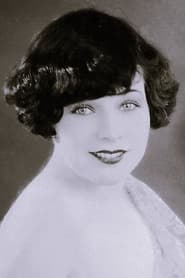
Dorothy Coburn
Actor
Born: December 31, 1904 in Seattle, Washington, USA Died: May 21, 1976 Active: 1927-1928
Films
8 films
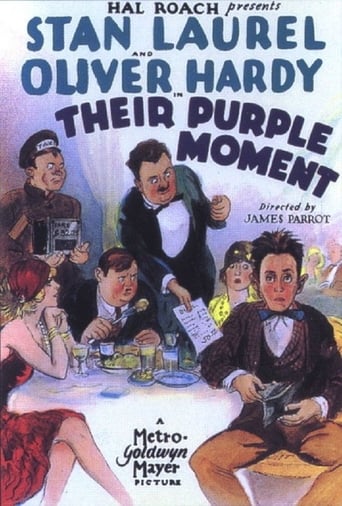
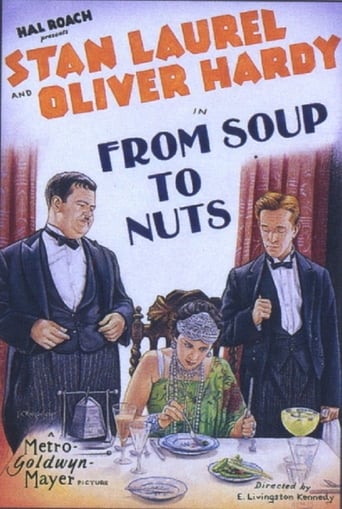
About Dorothy Coburn
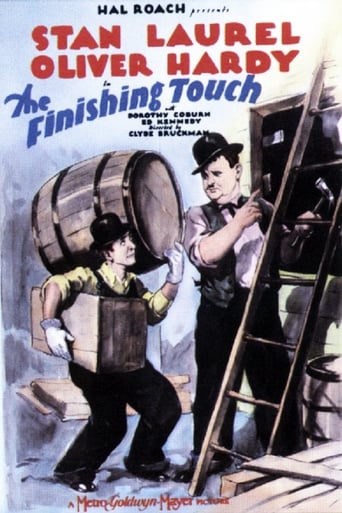
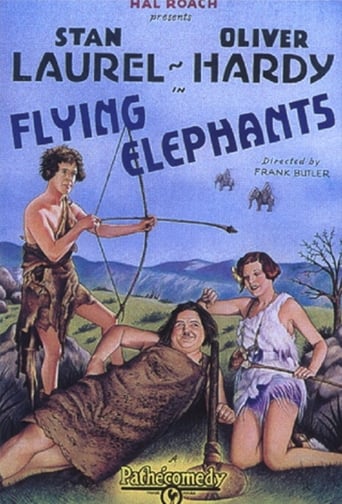
American actress who found her niche in the golden era of silent comedy, primarily working with Hal Roach Studios during the late 1920s. She began her film career at a pivotal time when comedy was transitioning from slapstick to more sophisticated humor, and she quickly became a recognizable face in the burgeoning comedy scene. Coburn worked extensively with comedy legends Laurel and Hardy, appearing in several of their most memorable early shorts that helped establish their partnership. Her performances, though often in supporting roles, provided the perfect comedic foil to the duo's antics, demonstrating remarkable timing and expressive acting that was essential to silent film performance. Despite her relatively brief film career spanning just a couple of years, she appeared in numerous shorts that have become classics of the silent comedy genre. After 1928, Coburn largely disappeared from the film industry, making her one of Hollywood's mysterious talents who contributed significantly to comedy history during its most innovative period.
The Craft
On Screen
Dorothy Coburn specialized in expressive silent comedy acting, utilizing exaggerated facial expressions and physical comedy techniques essential to the medium. Her performances were characterized by impeccable timing, particularly in reaction shots where she served as the perfect straight woman to the comedic chaos around her. Coburn had a natural ability to convey complex emotions through subtle gestures and expressions, a crucial skill for silent film actors who relied solely on visual storytelling.
Milestones
- Breakthrough role in Laurel and Hardy's early comedy shorts
- Regular performer at Hal Roach Studios during the golden age of silent comedy
- Appeared in multiple classic Laurel and Hardy films that defined their partnership
- Contributed to the development of silent comedy techniques
- Worked during the pivotal transition from silent to sound films
Best Known For
Iconic Roles
Must-See Films
Accolades
Special Recognition
- Recognized as part of the golden age of silent comedy at Hal Roach Studios
- Contributions preserved in classic film archives and comedy retrospectives
Working Relationships
Worked Often With
Studios
Why They Matter
Impact on Culture
Dorothy Coburn's contributions to silent comedy, while often overlooked in mainstream film history, represent an essential element in the development of American comedy cinema. Her work with Laurel and Hardy during their formative years helped establish the chemistry and timing that would make them comedy legends. The films she appeared in have become cultural touchstones, studied by comedy scholars and cherished by film enthusiasts as perfect examples of silent comedy craftsmanship. Her performances demonstrate the collaborative nature of comedy filmmaking, where even supporting roles were crucial to the overall success of the production.
Lasting Legacy
Though her career was brief, Dorothy Coburn's legacy lives on through the enduring popularity of the Laurel and Hardy shorts in which she appeared. These films continue to be shown in film festivals, retrospectives, and classic cinema programming, introducing new generations to the artistry of silent comedy. Her work serves as a reminder of the countless talented performers who contributed to Hollywood's golden age, even if their time in the spotlight was fleeting. Film historians and comedy enthusiasts recognize her as an important piece of the puzzle that made Hal Roach Studios the comedy powerhouse it became.
Who They Inspired
While not a major star who influenced generations of performers, Dorothy Coburn's work exemplified the high standards of ensemble comedy that would influence future comedy filmmaking. Her ability to play off established comedy stars demonstrated the importance of supporting talent in creating memorable comedy. The technical skills she displayed in silent comedy - timing, expression, and physical comedy - represent the foundation upon which later comedy performers would build.
Off Screen
Dorothy Coburn maintained a relatively private life away from the Hollywood spotlight. After her brief but memorable film career, she largely withdrew from public entertainment and pursued a more conventional life. Her decision to leave acting so quickly after finding success in major comedy productions remains one of the more intriguing aspects of her story, suggesting she may have valued privacy over fame.
Education
Educational background not publicly documented
Family
- Information not publicly available
Did You Know?
- Despite appearing in several Laurel and Hardy classics, Coburn's film career lasted only two years (1927-1928)
- She worked exclusively with Hal Roach Studios, the comedy factory that produced many of silent era's greatest comedians
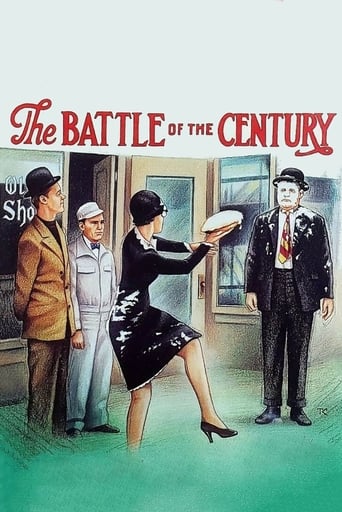
- The Battle of the Century (1927), one of her most famous films, features what many consider the greatest pie fight in cinema history
- She was part of the transition period when comedy was evolving from simple slapstick to more sophisticated character-driven humor
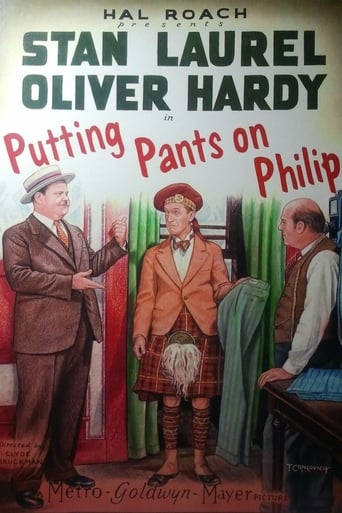
- Coburn appeared in Putting Pants on Philip, considered one of the first films to establish the classic Laurel and Hardy character dynamics
- After leaving films, she completely disappeared from the entertainment industry, making her one of Hollywood's more mysterious early talents
- Her performances were instrumental in helping Laurel and Hardy establish their iconic partnership
- She worked during the final years of silent cinema, witnessing the transition to sound films
- The films she appeared in are now considered classics and are preserved in film archives worldwide
- Like many supporting actors of her era, she often played multiple roles within the same short film
In Their Own Words
No documented famous quotes, as was common for supporting actors in the silent era who rarely gave interviews
Frequently Asked Questions
Who was Dorothy Coburn?
American actress who worked primarily in silent comedy films during 1927-1928, most notably appearing in several Laurel and Hardy shorts produced by Hal Roach Studios. She was a supporting actress who contributed to some of the most classic comedy films of the silent era before mysteriously disappearing from the film industry.
What films is Dorothy Coburn best known for?
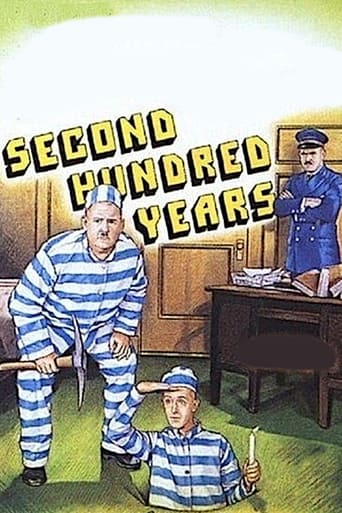
Titles linked here include The Second 100 Years (1927), The Battle of the Century (1927).
When was Dorothy Coburn born and when did she die?
Born December 31, 1904; died May 21, 1976.
What awards did Dorothy Coburn win?
Dorothy Coburn did not receive any major formal awards or nominations during her brief career, which was common for supporting actors in the silent era. However, her contributions are recognized by film historians and comedy enthusiasts as essential to the success of classic Laurel and Hardy films.
What was Dorothy Coburn's acting style?
Dorothy Coburn specialized in expressive silent comedy acting, utilizing exaggerated facial expressions and physical comedy techniques. She was particularly skilled at reaction shots and serving as a comedic foil, with impeccable timing that was essential to the success of ensemble comedy scenes in silent films.
Why did Dorothy Coburn's career end so quickly?
The exact reason for Dorothy Coburn's departure from films after just two years remains unknown, making her one of Hollywood's more intriguing mysteries. She left the industry at the height of the silent era, just as sound films were emerging, and chose to live a private life away from the entertainment industry.
Did Dorothy Coburn work with other famous comedians besides Laurel and Hardy?
While primarily known for her work with Laurel and Hardy, Coburn worked at Hal Roach Studios during its golden age, meaning she likely appeared alongside other comedy talents of the era including James Finlayson and Edgar Kennedy, who were regulars in Roach productions.
What is Dorothy Coburn's legacy in film history?
Dorothy Coburn's legacy lies in her contributions to the classic Laurel and Hardy films that have become timeless comedy masterpieces. Though her career was brief, her performances helped establish the comedic chemistry and timing that made Laurel and Hardy legendary, ensuring her place in the history of silent comedy.