Films
3 films

About James Donnelly
American actor who worked primarily during the silent film era, specializing in comedy shorts and character roles. His screen career ran from 1917 through the mid-1920s, during which he appeared in numerous productions for various Hollywood studios. Donnelly was particularly active in the early 1920s, a golden period for silent comedy shorts. He worked alongside many of the era's comedy talents, though often in supporting or bit roles that didn't always receive screen credit. His filmography, while not extensively documented, shows he was a reliable working actor who appeared in multiple productions each year during his active period. Like many character actors of the silent era, Donnelly's career declined with the advent of sound films in the late 1920s, as the industry transition required new skills and often favored established stars. His work, while not widely remembered today, represents the contributions of the countless supporting actors who helped build Hollywood's golden age.
The Craft
On Screen
Based on his comedy short appearances, Donnelly likely employed the exaggerated physical comedy style common in silent films, using broad gestures and facial expressions to convey humor and character to audiences without dialogue. As a supporting player, he probably specialized in creating memorable character types that could quickly establish their role within the short runtime of the films.
Milestones
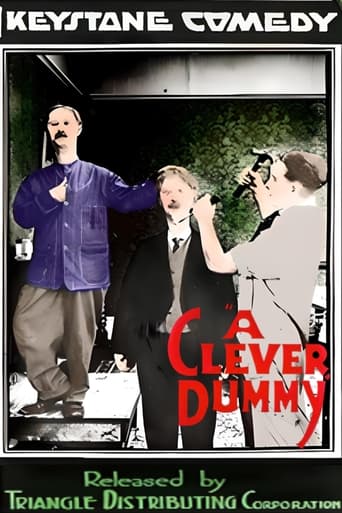
- Appeared in 'A Clever Dummy' (1917), an early silent comedy short
- Featured in 'The Hansom Cabman' (1924), a comedy from the peak silent era
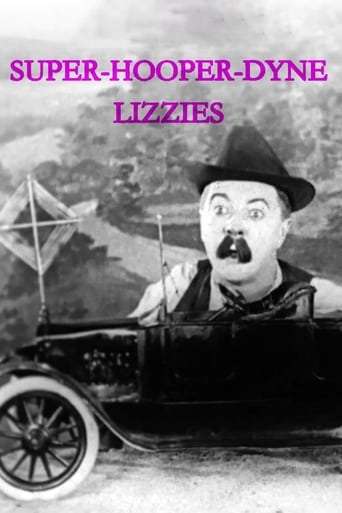
- Cast in 'Super-Hooper-Dyne Lizzies' (1925), a late silent comedy production
- Worked consistently through the silent era as a character actor
- Participated in the golden age of silent comedy shorts
Best Known For
Iconic Roles
Must-See Films
Working Relationships
Worked Often With
Studios
Why They Matter
Impact on Culture
James Donnelly represents the legion of working actors who formed the backbone of Hollywood's silent era production system. While not a star who achieved lasting fame, his contributions to comedy shorts helped entertain audiences during cinema's formative years. The films he appeared in are part of the historical record of American silent comedy, showcasing the collaborative nature of early filmmaking where every actor, regardless of billing, played a role in creating the final product.
Lasting Legacy
Donnelly's legacy is preserved through the surviving films from the silent era in which he appeared. These works serve as historical documents of early American cinema and the ensemble nature of silent comedy production. While individual supporting actors like Donnelly may not be widely remembered today, their collective contributions helped establish the foundation of American film comedy that would influence generations of filmmakers.
Who They Inspired
As a character actor in the silent era, Donnelly's influence would have been primarily on his immediate contemporaries and the productions he worked on. The techniques and approaches he employed in silent comedy performance were part of the larger development of film acting methods that would evolve as cinema transitioned to sound and beyond.
Off Screen
Very little documented information exists about James Donnelly's personal life, which was common for supporting actors of the silent era who were not major celebrities. Like many character actors of his time, he likely lived a relatively private life outside of his film work.
Did You Know?
- James Donnelly's active years covered the peak years of the silent film era
- All three of his documented films are comedy shorts, suggesting a specialization in this genre
- His filmography represents the typical career pattern of silent era character actors
- Like many silent film actors, his career ended around the time sound films became dominant
- The films he appeared in are now considered historical artifacts of early American cinema
- Supporting actors like Donnelly often appeared without on-screen billing in many productions
- His work coincided with the golden age of silent comedy shorts in Hollywood
- The transition to sound in the late 1920s likely ended his film career, as it did for many silent era actors
Frequently Asked Questions
Who was James Donnelly?
American with credits in this catalog.
What films is James Donnelly best known for?
Titles linked here include A Clever Dummy (1917), The Hansom Cabman (1924).
When was James Donnelly born and when did he die?
Specific birth and death dates for James Donnelly are not documented in available historical records, which was common for supporting actors of the silent era.
What awards did James Donnelly win?
There are no documented awards or nominations for James Donnelly, as he was a character actor rather than a major star during an era when formal acting awards were just beginning to be established.
What was James Donnelly's acting style?
Based on his appearances in silent comedy shorts, Donnelly likely employed the exaggerated physical comedy style typical of the era, using broad gestures and expressions to convey character and humor without dialogue.