Somebody's Widow
"A widow bets she can win over a skeptical writer."
Keys: Space play/pause · ←/→ 10s · F fullscreen · M mute · </> speed
About this film
A comedy in which the widow Mary makes a bet with her friends that she can win over a writer named Jack.
Cast & crew
More films like this
More Comedy films
View all →







More from Scott Sidney
View all →
More about this film
About the production
Release dateJune 30, 1918
ProductionTriangle Film Corporation
Filmed inLos Angeles, California
Somebody's Widow was produced during the height of Triangle Film Corporation's operations, one of the major studios of the silent era. The film was part of Triangle's strategy to produce light romantic comedies featuring popular stars of the day. Production took place during the transitional period of American cinema when feature-length films were becoming the industry standard, and the studio system was solidifying its dominance in Hollywood.
Themes
Romantic deceptionGender roles in courtshipThe nature of genuine love vs. gamesFemale agency in romanceSocial betting and wagers
Themes & topics
Historical background
Somebody's Widow (1918) survives in catalogs and archives as a record of the silent era.
Why this film matters
Scholars and collectors reference Somebody's Widow when discussing how the silent era filmmakers addressed popular themes.
Making of
The production of Somebody's Widow took place during a turbulent time for Triangle Film Corporation, which was experiencing financial difficulties despite having produced major hits like D.W. Griffith's Intolerance. The film was shot on Triangle's studio lot in Culver City, California, utilizing the company's extensive facilities and experienced crew. Director Scott Sidney worked closely with star Billie Rhodes to develop her comedic timing and character motivations, as Rhodes was known for her ability to convey humor through subtle facial expressions and body language. The film's romantic scenes were carefully choreographed to meet the strict moral codes of the period, with the Production Code Administration still years away from implementation, but local censorship boards already enforcing their own standards. The relatively short runtime of 50 minutes was typical for romantic comedies of the era, designed to play as part of double bills with longer feature presentations.
What critics said
Trade coverage around 1918 discussed Somebody's Widow in terms of craft and audience appeal rather than blockbuster scale.
Did you know?
- Triangle Film Corporation, the production company behind this film, was founded by Harry Aitken and was one of the first vertically integrated film studios in Hollywood
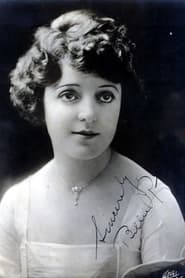
- Billie Rhodes, who plays the lead role of Mary, was especially popular comediennes of the late 1910s, known for her energetic performances and expressive face
- Director Scott Sidney was a prolific filmmaker who directed over 150 films between 1915 and 1932, though many of his early works are now considered lost
- The film was released just a few months before the end of World War I, during a period when audiences were increasingly seeking escapist entertainment
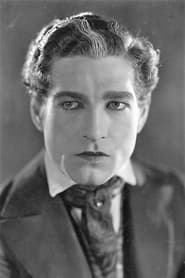
- Cullen Landis, who plays Jack, would later become a successful leading man in the 1920s but eventually transitioned to a career behind the camera as a sound technician
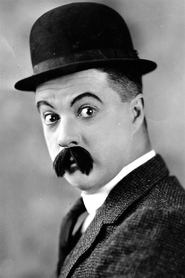
- Billy Bevan, who appears in a supporting role, would go on to become widely recognized character actors in Hollywood comedies, appearing in over 200 films
- The film's title 'Somebody's Widow' reflects the common practice of the era to use intriguing, slightly scandalous titles to attract audiences
- Triangle Film Corporation went bankrupt just a year after this film's release, making it part of the studio's final productions before its collapse
Visual style
The cinematography of Somebody's Widow was handled by Triangle's regular camera department, utilizing the standard equipment and techniques of the late 1910s. The film employed natural lighting for exterior scenes and artificial lighting for interior sets, following the industry's evolving practices. Camera work was relatively static compared to later films, with the camera primarily capturing medium shots and close-ups to emphasize the actors' facial expressions, which were crucial for conveying emotion and comedy in silent cinema. The film's visual style emphasized clarity and readability, ensuring that the romantic and comedic elements would be easily understood by audiences without the benefit of dialogue. Triangle's studio facilities allowed for controlled lighting conditions that enhanced the film's romantic atmosphere, particularly in scenes featuring the two leads.
Innovations
Somebody's Widow did not introduce any major technical innovations but represented the solid technical standards of major studio productions in 1918. The film utilized the latest film stock and processing techniques available to Triangle Film Corporation, ensuring good image quality for the period. The editing followed contemporary practices with relatively quick cuts for comedic sequences and longer takes for romantic moments, helping to establish the pacing conventions of the romantic comedy genre. The film's intertitles, which were crucial for silent film storytelling, were professionally crafted to convey both narrative information and comedic punchlines effectively. Triangle's studio facilities allowed for consistent technical quality across the production, from lighting to camera work to processing, demonstrating the advantages of the emerging studio system in maintaining technical standards.
Music
As a silent film, Somebody's Widow did not have an original synchronized soundtrack, but would have been accompanied by live musical performances during theatrical exhibitions. The typical accompaniment would have consisted of a pianist or small orchestra playing popular songs of the era along with classical pieces appropriate to the film's romantic and comedic moments. Triangle Film Corporation often provided musical cue sheets to theaters, suggesting specific pieces for different scenes to ensure consistent emotional impact across venues. The film's romantic sequences would have been accompanied by sentimental popular songs like those by composers such as Victor Herbert or Irving Berlin, while comedic moments would have featured lighter, more playful musical selections. The lack of surviving documentation makes it impossible to know the exact musical selections used for the film's original run.
Famous quotes
A bet is a bet, but a heart is not a game to be played lightly
Sometimes the best way to win someone's heart is to stop trying so hard
Widowhood may have ended one chapter of my life, but it certainly didn't close the book on love
Memorable scenes
- The opening scene where Mary accepts the wager from her friends in a fashionable tea room, setting the entire plot in motion with playful dialogue and determined expressions
- The sequence where Mary attempts various comedic schemes to attract Jack's attention, including deliberately spilling tea on his manuscript and pretending to faint dramatically
What audiences thought
Audience reception to Somebody's Widow was reportedly positive during its theatrical run, with the film performing well in urban markets where romantic comedies were particularly popular. Contemporary theater reports indicated that audiences responded enthusiastically to Billie Rhodes's comedic timing and the film's charming romantic elements. The film's relatively short runtime made it ideal for double bills, and it was often paired with longer dramatic features to provide audiences with a balanced entertainment experience. Audience feedback collected by Triangle Film Corporation suggested that viewers particularly enjoyed the film's witty intertitles and the physical comedy sequences involving Rhodes's attempts to win over the writer character. However, the film's release during the summer months, when movie attendance was typically lower, may have limited its overall box office performance compared to similar releases during peak seasons.
Film connections
Influenced by
- Other Triangle Film Corporation romantic comedies
- The stage comedy tradition of mistaken identities
- Contemporary popular romance novels
- Earlier silent film comedies featuring strong female leads
This film influenced
- Later romantic comedies featuring bets as plot devices
- Films with widowed protagonists seeking new love
- Triangle's subsequent romantic comedy productions
Film restoration
Somebody's Widow is currently considered a lost film, with no known surviving copies in any film archives or private collections. This status is unfortunately common for films from the late 1910s, with an estimated 75-90% of American silent films having been lost due to factors such as nitrate film deterioration, studio archive destruction, and lack of preservation efforts during the early decades of cinema. Only production stills, promotional materials, and contemporary reviews remain to document the film's existence. The loss of this film is particularly significant as it represents the work of director Scott Sidney and star Billie Rhodes during their peak years of productivity.
Where to watch
- Currently unavailable for viewing as the film is considered lost
- Film historians may access surviving stills and promotional materials through the Academy Film Archive or Margaret Herrick Library
- Production information and contemporary reviews available through film history databases and archives