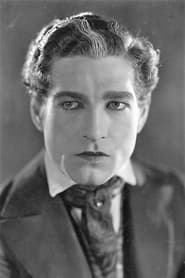
Cullen Landis
Actor
Born: July 9, 1896 in Nashville, Tennessee, USA Died: August 26, 1975 Active: 1915-1931 Birth Name: James Cullen Landis
Films
5 films
About Cullen Landis
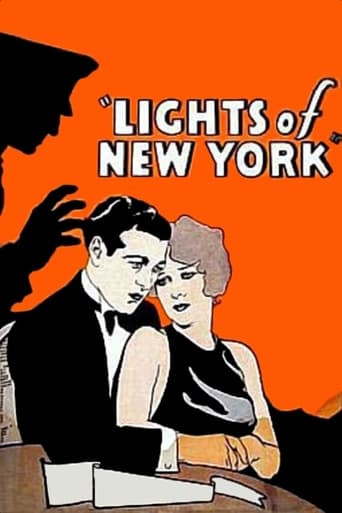
Cullen Landis is credited on a single production — Lights of New York (1928). Born in Nashville, Tennessee, he began his film career in the mid-1910s and quickly became a popular leading man, known for his handsome appearance and versatile acting abilities. Landis appeared in numerous silent films throughout the 1910s and 1920s, working with major studios including Universal Pictures and Warner Bros. His career reached a significant milestone with his role in 'Lights of New York' (1928), which made history as the first all-talking feature film. Despite this breakthrough, Landis's career in talkies was relatively brief, and he largely retired from acting by the early 1930s. His contributions to early cinema, particularly during the crucial transition from silent films to sound, remain an important part of Hollywood history. After leaving the film industry, Landis pursued other business interests and lived a relatively private life away from the spotlight.
The Craft
On Screen
Cullen Landis was known for his naturalistic acting style that adapted well to the transition from silent films to talkies. In silent films, he employed expressive facial features and body language typical of the era, but with a subtlety that set him apart from many contemporaries. His speaking voice was clear and well-modulated, making him one of the more successful silent actors to make the jump to sound films. Landis had a particular talent for portraying earnest, sincere characters that audiences could easily connect with.
Milestones
- Appeared in 'Lights of New York' (1928), the first all-talking feature film
- Leading man in numerous silent films for Universal Pictures
- Successfully transitioned from silent films to talkies
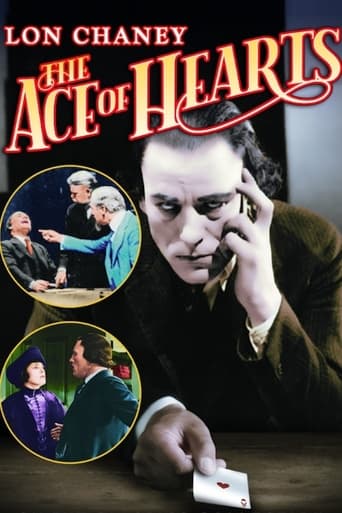
- Starred in 'The Ace of Hearts' (1921) directed by Wallace Worsley
- Worked with prominent silent film directors of the era
Best Known For
Iconic Roles
Must-See Films
Accolades
Special Recognition
- Pioneer in early sound cinema through his role in 'Lights of New York'
Working Relationships
Worked Often With
Studios
Why They Matter
Impact on Culture
Cullen Landis holds a significant place in cinema history primarily through his participation in 'Lights of New York' (1928), the groundbreaking film that proved the commercial viability of all-talking features. His successful transition from silent films to talkies demonstrated that some silent actors could adapt to the new medium, helping to ease industry concerns about sound technology. While not as remembered as some of his contemporaries, Landis represents the many capable actors who helped bridge the gap between two distinct eras of filmmaking. His work during this pivotal period contributed to the rapid evolution of cinema from silent to sound, forever changing the art form.
Lasting Legacy
Cullen Landis's legacy is primarily tied to his role in early sound cinema history, particularly 'Lights of New York.' As one of the actors who successfully made the transition from silent films to talkies, he represents an important bridge between two eras of Hollywood. While he never achieved the lasting fame of stars like Chaplin, Keaton, or Fairbanks, his contributions to early sound films helped pave the way for the future of cinema. Film historians and silent film enthusiasts recognize him as an important figure in understanding the technological and artistic challenges faced by actors during this transitional period.
Who They Inspired
Landis influenced other actors of his era by demonstrating that a successful transition to sound films was possible with proper vocal training and adaptation of acting techniques. His naturalistic approach to talking roles helped establish new standards for film acting that moved away from the exaggerated expressions common in silent cinema. While he didn't directly mentor specific actors who went on to major fame, his work in early sound films contributed to the evolving craft of film acting that would influence generations of performers to come.
Off Screen
Cullen Landis married twice during his lifetime. His first marriage was to actress and fellow silent film star Ruth Stonehouse, though the marriage ended in divorce. He later married Mary McAvoy, with whom he remained until his death. After retiring from acting in the early 1930s, Landis successfully transitioned to a career in business, working in the automotive industry in California. He maintained a relatively low profile in his later years, rarely giving interviews about his film career. Landis spent his final years in California, where he passed away at the age of 79.
Education
Limited information available about his formal education; likely attended local schools in Nashville before pursuing acting
Family
- Ruth Stonehouse (1920-1925)
- Mary McAvoy (1927-1975)
Did You Know?
- Was part of the first all-talking feature film in history with 'Lights of New York' (1928)
- His first wife, Ruth Stonehouse, was also a successful silent film actress and director
- Began his film career at Universal Pictures in the mid-1910s
- Retired from acting relatively early, leaving the film industry in the early 1930s
- Successfully transitioned to a business career after leaving Hollywood
- His real first name was James, but he used Cullen professionally
- Worked during
- Like many silent actors, faced the challenge of proving his voice was suitable for talkies
- His active years covered the entire silent era and the beginning of the sound era
- Appeared in over 50 films during his career, though many are now lost
In Their Own Words
On making 'Lights of New York': 'We didn't realize we were making history, we were just trying to make a good picture with this new sound thing.'
On the transition to talkies: 'The microphone changed everything. Suddenly you had to learn to act all over again, but with your voice.'
Frequently Asked Questions
Who was Cullen Landis?
American with credits in this catalog. He is best known for appearing in 'Lights of New York' (1928), the first all-talking feature film in cinema history. Active 1915–1931 in this catalog, during which he appeared in numerous films for major studios like Universal and Warner Bros.
What films is Cullen Landis best known for?
Titles linked here include Lights of New York (1928), The Ace of Hearts (1921).
When was Cullen Landis born and when did he die?
Born July 9, 1896; died August 26, 1975.
What awards did Cullen Landis win?
Cullen Landis did not receive any major formal awards during his career, which was common for actors of his era. However, he holds an important place in cinema history for his role in 'Lights of New York,' the first all-talking feature film, which represents a significant milestone in film technology and artistry.
What was Cullen Landis's acting style?
Cullen Landis was known for his naturalistic acting style that successfully transitioned from silent films to talkies. In silent films, he used expressive but controlled facial features and body language. His speaking voice was clear and well-modulated, making him one of the more successful silent actors to adapt to sound films. He specialized in portraying sincere, earnest characters that audiences found relatable.