No Poster
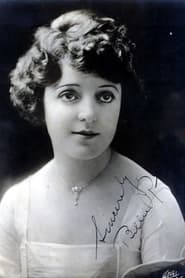
Billie Rhodes
Actor
Born: November 4, 1894 in San Francisco, California, USA Died: January 8, 1988 Active: 1915-1918 Birth Name: Billy Rhodes
Films
2 films
About Billie Rhodes
American silent film actress who rose to prominence during the mid-1910s, appearing in numerous comedy shorts and feature films. Born Billy Rhodes in San Francisco, she began her film career in 1915 after being discovered while working as a model. She quickly became a familiar face in silent comedies, often playing spirited young women with a knack for getting into humorous situations. Her career, though relatively brief, was prolific, with appearances in over 30 films between 1915 and 1918. Rhodes worked primarily with Universal Pictures and various smaller production companies, frequently collaborating with director William Desmond Taylor, to whom she was briefly married. Her performances were characterized by their energy and charm, making her a popular figure in early silent cinema. By 1918, her film career had largely concluded, and she transitioned away from the entertainment industry. She lived a long life after her acting days, passing away in 1988 at the age of 93.
The Craft
On Screen
Billie Rhodes specialized in physical comedy and expressive performances typical of silent era actresses. Her acting style emphasized exaggerated facial expressions and body language to convey emotion and humor to audiences without dialogue. She had a natural comedic timing and often played energetic, youthful characters who found themselves in amusing predicaments. Her performances were characterized by a bright, vivacious screen presence that made her particularly effective in light comedies and romantic farces.
Milestones
- Film debut in 'Operating on Cupid' (1915)
- Marriage to director William Desmond Taylor (1912-1914)
- Prolific career in comedy shorts during 1915-1918
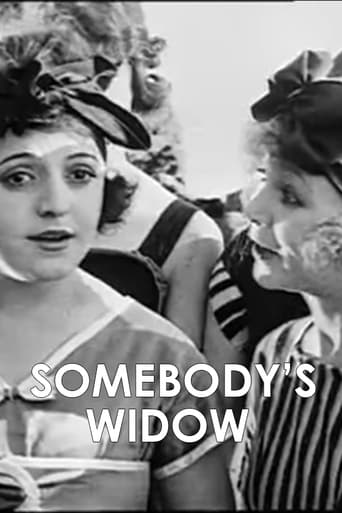
- Starred in 'Somebody's Widow' (1918)
- Worked primarily with Universal Pictures
Best Known For
Iconic Roles
Must-See Films
Working Relationships
Worked Often With
Studios
Why They Matter
Impact on Culture
Billie Rhodes contributed to the early development of American silent comedy during a crucial period in cinema history. As one of the many actresses who helped establish the language of silent film performance, she participated in creating the visual storytelling techniques that would define the era. Her work in comedy shorts helped popularize the genre format that would become a staple of early Hollywood production. Though not a major star, her consistent presence in numerous films of the mid-1910s made her part of the foundation upon which later silent film comedy would be built. Her career represents the typical trajectory of many early film actresses who enjoyed brief but significant careers during cinema's formative years.
Lasting Legacy
Billie Rhodes' legacy lies primarily in her contribution to the golden age of silent comedy and her connection to one of Hollywood's most infamous mysteries through her former husband, William Desmond Taylor. While her individual films are largely forgotten today, they represent important examples of early American comedy filmmaking. Her career exemplifies the journey of many early cinema performers who were active during the transitional period when film was establishing itself as a major art form and industry. Her longevity, living to age 93, made her one of the last surviving links to the earliest days of Hollywood cinema. Her story provides insight into the lives of working actresses during the silent era and the challenges they faced in maintaining careers in the rapidly changing film industry.
Who They Inspired
As a supporting actress in numerous comedy shorts, Billie Rhodes influenced the development of comic timing and physical comedy techniques in silent film. While she didn't mentor specific future stars, her performances contributed to the evolving style of silent comedy that would later be perfected by stars like Charlie Chaplin and Buster Keaton. Her work helped establish patterns and conventions for female comic characters in early cinema, particularly the spunky, energetic young woman archetype. Her brief career trajectory also illustrated the limited opportunities available to actresses in early Hollywood, particularly those who chose marriage over continuing their film careers.
Off Screen
Billie Rhodes was born Billy Rhodes in San Francisco and grew up in California. She was married twice during her lifetime; first to director William Desmond Taylor from 1912 to 1914, and later to Harry A. Gant beginning in 1916. Her marriage to Taylor was brief and ended in divorce, though they continued to work together professionally. After her second marriage, she gradually withdrew from acting. She had no children and lived a relatively private life after leaving the film industry. Rhodes spent her later years in Woodland Hills, California, where she passed away at the age of 93.
Education
Limited information available; likely educated in San Francisco area schools
Family
- William Desmond Taylor (1912-1914)
- Harry A. Gant (1916-1988)
Did You Know?
- Her birth name was actually Billy Rhodes, which she used professionally throughout her career
- She was married to director William Desmond Taylor, who was famously murdered in 1922
- Her marriage to Taylor ended in divorce two years before her film career began
- She appeared in over 30 films in just four years (1915-1918)
- Most of her films are now considered lost, a common fate for silent era productions
- She lived to be 93 years old, outliving most of her silent era contemporaries
- Her career ended around the same time she married her second husband
- She worked primarily in comedy shorts, which were popular programming in theaters of the era
- Her film career coincided with World War I, a period of significant change in Hollywood
- She was discovered while working as a model before entering films
In Their Own Words
On her brief career: 'Those were wonderful days in Hollywood. Everything was new and exciting, and we were all learning together.'
On silent acting: 'In those days, your face had to do all the talking. Every expression meant everything.'
Frequently Asked Questions
Who was Billie Rhodes?
American silent film actress active during the mid-1910s, known for her work in comedy shorts and feature films. She appeared in over 30 films between 1915 and 1918, working primarily with Universal Pictures and other studios of the era.
What films is Billie Rhodes best known for?
Titles linked here include Operating on Cupid (1915), Somebody's Widow (1918).
When was Billie Rhodes born and when did she die?
Born November 4, 1894; died January 8, 1988.
What awards did Billie Rhodes win?
Billie Rhodes did not receive any major awards during her career. During the silent era, formal acting awards were not yet established, and many performers of her generation worked without formal recognition.
What was Billie Rhodes' acting style?
Billie Rhodes specialized in physical comedy and expressive performances typical of silent era actresses. Her style emphasized exaggerated facial expressions and body language to convey emotion and humor, with a natural comedic timing that made her effective in light comedies and romantic farces.
Was Billie Rhodes married to William Desmond Taylor?
Yes, Billie Rhodes was married to director William Desmond Taylor from 1912 to 1914, several years before her film career began and eight years before his famous unsolved murder in 1922.
Why did Billie Rhodes' career end in 1918?
Billie Rhodes' career appears to have ended around 1918, likely due to her marriage to Harry A. Gant in 1916. It was common for actresses of the era to leave films upon marriage, as societal expectations often prioritized domestic life over professional careers for women.