
Operating on Cupid
"Hospital more girlfriend nurse."
Keys: Space play/pause · ←/→ 10s · F fullscreen · M mute · </> speed
About this film
A short comic film in which a young man has himself admitted to the hospital so as to see more of his girlfriend (who is a nurse there), to the displeasure of the surgeon.
Cast & crew
More films like this
More about this film
About the production
Release dateMarch 1915
ProductionAmerican Film Company
Filmed inLos Angeles, California
This was a typical short comedy produced during the silent era, filmed quickly on a modest budget. The American Film Company was one of the early Hollywood studios that specialized in producing short films for theater programs. The hospital setting would have been created using studio sets designed to facilitate the comedic situations and physical gags common to films of this period.
Themes
Themes & topics
Historical background
Production circa 1915 placed Operating on Cupid within the technical habits of its era—intertitles, studio sets, and regional distribution networks.
Why this film matters
Surviving prints of Operating on Cupid help researchers study how 1915-era filmmakers solved storytelling with limited means.
Making of
The production of 'Operating on Cupid' would have followed the efficient, assembly-line approach common to short comedies of the era. The cast, all experienced in rapid production, would have rehearsed minimally before shooting. The hospital set would have been designed to be both convincing and functional for staging physical comedy. Director Horace Davey, having directed numerous shorts, would have worked quickly to complete filming in just a few days. The film was likely shot on the American Film Company's studio lot in Hollywood, which was becoming the center of American film production by 1915. The romantic elements and medical setting provided familiar tropes that audiences of the time would immediately recognize and enjoy.
What critics said
Audience surveys from 1915 are sparse; interest in Operating on Cupid is inferred from reissue and archive activity.
Did you know?
- Director Horace Davey directed over 100 short films during his career, primarily in the 1910s
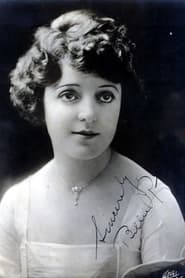
- Billie Rhodes was especially popular comediennes of the silent era, starring in dozens of comedy shorts
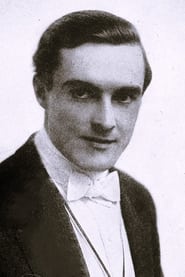
- Ray Gallagher appeared in over 200 films between 1911 and 1936, making him especially prolific character actors of his time
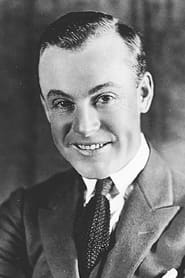
- Neal Burns began his film career in 1915, making this one of his earliest film appearances
- The American Film Company was founded in 1910 and was one of the first production companies to establish permanent operations in Hollywood
- 1915 was the year D.W. Griffith's 'The Birth of a Nation' was released, forever changing American cinema
- Medical comedies were a popular subgenre in silent film, capitalizing on public fascination with modern medicine
- The film was released during World War I, which affected film production and distribution globally
- Short comedies like this were typically shown as part of a larger theater program, alongside newsreels and other short subjects
- Many films from this period have been lost due to the unstable nature of early film stock and poor preservation practices
Visual style
As a 1915 short comedy, the cinematography would have been straightforward and functional, using the techniques common to the period. The camera would have been largely static, with basic lighting designed to ensure clear visibility of the action. Close-ups might have been used for emotional moments, particularly in romantic scenes, while wider shots would have established the hospital setting and allowed for physical comedy. The visual style would have prioritized clarity and storytelling over artistic experimentation, which was typical for commercial comedies of the era.
Innovations
The film does not appear to have been technically innovative, using standard production methods of the period. It would have been shot on 35mm film with standard cameras and lighting equipment. Any technical aspects would have been focused on clear storytelling rather than experimentation. The film represents the mature state of basic film technology by 1915, when most technical innovations had become standard practice in the industry.
Music
As a silent film, it would have been accompanied by live music in theaters, typically a piano or small orchestra. The score would have been compiled from popular pieces of the era, with romantic music for the love scenes and more jaunty, comedic pieces for the humorous moments. The American Film Company likely provided musical cue sheets to theater musicians, suggesting appropriate music for different scenes. The music would have enhanced the emotional content and helped guide audience reactions to the comedy and romance.
Memorable scenes
- The opening scene where the protagonist devises his plan to get admitted to the hospital
- The examination scene where he must fake his symptoms
- The romantic moments between the patient and nurse when the doctor isn't looking
- The final resolution where his deception is revealed
What audiences thought
The film would have been received as standard entertainment for theater programs of 1915. Audiences expected light, amusing shorts as part of their movie-going experience, and this film would have delivered exactly that. The romantic elements would have appealed particularly to young audiences, while the medical setting provided familiar visual gags and situations. The film's straightforward plot and clear character motivations would have made it easily accessible to audiences of all backgrounds. Like most short comedies of the era, it would have been enjoyed in the moment but not necessarily remembered as a standout work.
Film connections
Influenced by
- Mack Sennett-style slapstick comedies
- Popular theatrical farces of the period
- Earlier romantic comedy shorts
This film influenced
- Later hospital comedies
- Romantic comedy shorts of the late 1910s
- Medical-themed films of the 1920s
Film restoration
The preservation status of this film is unknown; many shorts from this period have been lost over time due to the unstable nature of early film stock and inadequate preservation practices. The American Film Company's films have a particularly low survival rate.
Where to watch
- Wikimedia Commons: https://commons.wikimedia.org/wiki/File:Operating%20on%20Cupid%20-%20Horace%20Davey%20-%201915%2C%20Universal%20Nestor%20-%20EYE%20FLM49565%20-%20OB%20685643.webm