Scott Sidney
Director
Born: March 16, 1872 in London, England Died: July 20, 1928 Active: 1913-1928 Birth Name: Sidney Scott
Films
3 films
About Scott Sidney
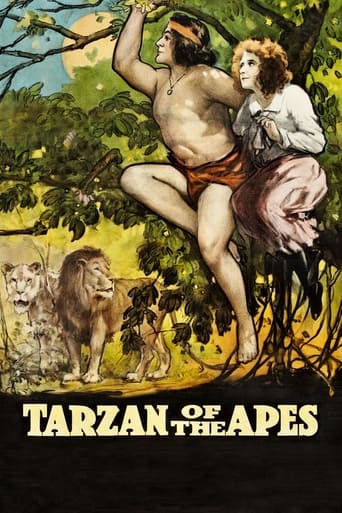
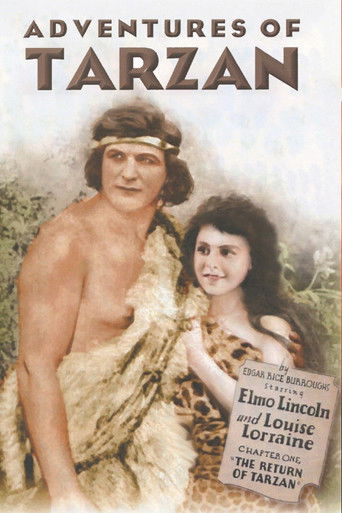
Made significant contributions to silent cinema during the early 20th century. Born in London in 1872, he began his career in theater before transitioning to the burgeoning film industry, eventually becoming one of the directors in Hollywood's golden age. Sidney is best remembered for directing 'Tarzan of the Apes' (1918), which was the first feature-length adaptation of Edgar Rice Burroughs' character and starred Elmo Lincoln as the first on-screen Tarzan. He continued his success with 'The Adventures of Tarzan' (1921), further cementing his place in cinema history as a director of early adventure films. Throughout his career, Sidney worked for various prominent studios including Universal, Fox Film Corporation, and National Film Corporation, directing over 60 films across multiple genres including dramas, westerns, and comedies. His directing style was characteristic of the silent era, emphasizing visual storytelling, dramatic composition, and the use of location shooting to enhance narrative impact. As the film industry transitioned to sound in the late 1920s, Sidney's career began to wane, reflecting the challenges many silent-era directors faced during this technological revolution. He passed away in Los Angeles in 1928, leaving behind a legacy of early cinematic achievements that helped shape the adventure film genre.
The Craft
Behind the Camera
Scott Sidney's directing style was characteristic of the silent era, emphasizing visual storytelling, dramatic composition, and the innovative use of location shooting. He had a particular talent for creating atmospheric adventure films, utilizing natural settings to enhance the narrative impact. His direction often featured dynamic camera movements for the period, and he was skilled at orchestrating large-scale action sequences that captivated silent film audiences. Sidney understood the importance of visual spectacle in cinema and frequently incorporated elaborate sets and outdoor locations to create immersive worlds for his characters.
Milestones
- Directed the first feature-length Tarzan film 'Tarzan of the Apes' (1918)
- Directed 'The Adventures of Tarzan' (1921)
- Pioneered early adventure film techniques
- Directed over 60 films during the silent era
- Worked with major studios including Universal and Fox
Best Known For
Must-See Films
Accolades
Special Recognition
- Pioneer in early adventure cinema
- Director of the first major Tarzan film adaptation
Working Relationships
Worked Often With
Studios
Why They Matter
Impact on Culture
Scott Sidney's most significant cultural impact came through his direction of the first major Tarzan film adaptations, which helped establish one of cinema's most enduring franchises. His 1918 'Tarzan of the Apes' was groundbreaking as the first feature-length film based on Edgar Rice Burroughs' character, setting the template for countless future adaptations across film, television, and other media. The film was a commercial success that demonstrated the market potential of adventure films and jungle settings in cinema. Sidney's work contributed to the popularization of the action-adventure genre in Hollywood, influencing how physicality and spectacle would be incorporated into filmmaking. His Tarzan films also helped establish certain visual and narrative conventions that would become standard in adventure cinema for decades to come.
Lasting Legacy
Scott Sidney's legacy in film history is primarily tied to his work in bringing Tarzan to the silver screen, making him an important figure in the development of the adventure film genre. While his name may not be as widely recognized as some of his contemporaries, his contributions to early cinema are significant, particularly in demonstrating the commercial viability of literary adaptations and adventure narratives. His Tarzan films remain important historical artifacts that showcase the technical and artistic capabilities of silent-era filmmaking. Sidney represents the generation of directors who helped establish Hollywood's dominance in global cinema during the silent era, bridging the gap between early short films and the feature-length productions that would define classical Hollywood cinema.
Who They Inspired
Scott Sidney influenced subsequent adventure film directors through his innovative use of location shooting and action sequences in the Tarzan films. His work demonstrated how literary properties could be successfully adapted for the screen, paving the way for future adaptations of popular novels and characters. The visual techniques he employed in creating jungle environments and action sequences influenced how adventure films would be shot for decades. His success with the Tarzan franchise helped establish the template for character-based adventure series in cinema, influencing everything from serials to modern blockbusters. While specific directors citing him as an influence are not widely documented, his work contributed to the collective development of cinematic language during the formative years of Hollywood.
Off Screen
Scott Sidney was born Sidney Scott in London, England, and later emigrated to the United States where he built his career in the burgeoning film industry. He married actress Ruth Taylor, who appeared in several of his films. The couple had one child together. Sidney was known as a hardworking and versatile director who could handle various genres, though he found particular success with adventure films. His personal life was relatively private compared to many of his Hollywood contemporaries, and he focused primarily on his craft during his active years in the industry.
Education
Educated in London, background in theater before entering film industry
Family
- Ruth Taylor (1915-1928)
Did You Know?
- Born as Sidney Scott but used Scott Sidney professionally
- Directed the first actor to portray Tarzan on screen (Elmo Lincoln)
- His 'Tarzan of the Apes' (1918) was one of the first films to gross over $1 million
- Began his career as a stage actor before transitioning to directing
- Was one of the few British directors working successfully in early Hollywood
- Directed both silent films and early sound productions
- His Tarzan films were shot partially on location in Louisiana
- Worked with child actor Gordon Griffith, who played the young Tarzan
- Directed over 60 films in his 15-year career
- His active years covered the crucial transition period from short films to feature-length productions
In Their Own Words
Information about specific quotes from Scott Sidney is not widely documented in historical records
Frequently Asked Questions
Who was Scott Sidney?
He directed over 60 films between 1913 and 1928, working with major studios and helping establish the adventure film genre in early Hollywood.
What films is Scott Sidney best known for?
Titles linked here include Tarzan of the Apes (1918), The Adventures of Tarzan (1921).
When was Scott Sidney born and when did he die?
Born March 16, 1872; died July 20, 1928.
What awards did Scott Sidney win?
There are no documented major awards or nominations for Scott Sidney, which was common for directors working during the early silent era before the establishment of many formal industry awards. His recognition comes primarily from his historical significance as a pioneer in adventure cinema.
What was Scott Sidney's directing style?
Scott Sidney's directing style emphasized visual storytelling and dramatic composition typical of the silent era. He was particularly skilled at creating atmospheric adventure films using location shooting and dynamic action sequences, with his Tarzan films showcasing innovative techniques for depicting jungle environments and physical spectacle.