



Shanghaied
"A shipowner intends to scuttle his ship on its last voyage to get the…"
Keys: Space play/pause · ←/→ 10s · F fullscreen · M mute · </> speed
About this film
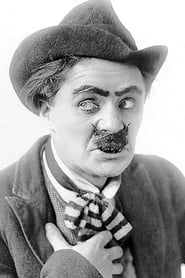
A shipowner intends to scuttle his ship on its last voyage to get the insurance money. Charlie, a tramp in love with the owner's daughter, is grabbed by the captain and promises to help him shanghai some seamen. The daughter stows away to follow Charlie.
Cast & crew
More films like this
More Comedy films
View all →







More from Charlie Chaplin
View all →


More about this film
About the production
Release dateOctober 4, 1915
Box officeUnknown - but highly successful as part of Chaplin's popular Essanay series
ProductionEssanay Film Manufacturing Company
Filmed inEssanay Studios, Niles, California, San Francisco Bay area for ship sequences
Filmed during Chaplin's most productive period at Essanay, this short was rushed into production to meet public demand. The ship sequences were particularly challenging to film, requiring Chaplin and crew to work on actual vessels and simulate storm conditions. The film showcases Chaplin's growing sophistication in blending physical comedy with romantic elements, a hallmark of his mature style.
Themes
Love conquering adversityClass differences and social mobilityDeception and fraudThe resilience of the common manRomance in unlikely circumstances
Themes & topics
Historical background
Released in 1915 during the silent era's formative years, Shanghaied reached audiences when exhibitors were still defining programming conventions. The narrative hook—A shipowner intends to scuttle his ship on its last voyage to get the…—reflects what contemporary producers thought would draw viewers.
Why this film matters
Shanghaied remains discussed by archivists tracing how screen stories of its period represented work, desire, conflict, and social order. Its central situation—A shipowner intends to scuttle his ship on its last voyage to get the…—still prompts questions about genre conventions and audience expectations.
Making of
The production of 'Shanghaied' took place during a pivotal moment in Chaplin's career, as he was transitioning from the purely slapstick comedy of his Keystone days to more sophisticated storytelling. Chaplin was granted unprecedented creative freedom at Essanay, allowing him to develop his signature blend of physical comedy and pathos. The ship sequences presented unique challenges, as the crew had to simulate a violent storm using rocking platforms and wind machines while filming on an actual vessel. Chaplin's perfectionism was evident in the multiple takes required for the complex galley scenes, where timing was crucial for the comedic effect of dishes and food flying in all directions. The film also demonstrates Chaplin's growing confidence in romantic subplots, with his relationship with Edna Purviance's character becoming more central to the narrative than in his earlier works.
What critics said
Trade and newspaper notices for Shanghaied generally emphasized casting, spectacle, and program fit rather than extended aesthetic argument. Retrospective screenings and archival notes continue to shape how viewers evaluate Shanghaied today.
Did you know?
- This was one of Chaplin's last films for Essanay before his move to Mutual, marking the end of his most productive period at the studio
- The ship used in filming was an actual vessel docked in San Francisco Bay, requiring the cast and crew to work in challenging maritime conditions
- Edna Purviance, who plays the daughter, was Chaplin's leading lady in dozens of films and was discovered by Chaplin while she was working as a secretary
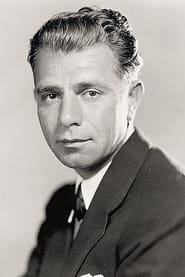
- Wesley Ruggles, who plays the captain, later became a prominent director and was nominated for an Academy Award for 'Cimarron' (1931)
- The film's title 'Shanghaied' refers to the historical practice of forcibly recruiting men into maritime service, a common theme in early 20th century popular culture
- Chaplin performed many of his own stunts during the storm sequences, including sliding across the deck and hanging from rigging
- The film was shot in just a few days, typical of Chaplin's rapid production schedule during this period
- Some versions of the film feature different endings, as Chaplin often re-edited his works for different markets
- The galley scenes required Chaplin to master complex timing with props, as food and dishes had to appear to fly realistically during the simulated storm
- This film was part of a package of Chaplin shorts that were hugely popular internationally, helping establish Chaplin as the world's first global movie star
Visual style
The cinematography by Roland Totheroh and Harry W. Ensign showcases the increasing sophistication of Chaplin's visual storytelling. The ship sequences employ innovative camera techniques to convey the sense of a storm at sea, including tilted angles and dynamic movement. The galley scenes demonstrate masterful composition, with careful framing of the chaotic action to ensure every physical gag is clearly visible. The film makes effective use of depth of field in the ship's confined spaces, creating a sense of claustrophobia that enhances the comedy. The lighting techniques, particularly in the storm sequences, create dramatic contrasts that add visual interest while maintaining the comedic tone.
Innovations
The film's most significant technical achievement was the convincing simulation of a storm at sea, accomplished through a combination of rocking platforms, wind machines, and careful camera work. The galley sequences required precise timing and coordination between actors, props, and camera movements to achieve the desired comedic effect. Chaplin's use of multiple camera angles and dynamic movement was innovative for 1915, showing his growing sophistication as a filmmaker. The film also demonstrates advanced editing techniques for its time, with rapid cutting during action sequences to heighten the comedic impact.
Music
As a silent film, 'Shanghaied' was originally accompanied by live musical performance in theaters. Typical scores for Chaplin comedies of this period included popular songs of the era, classical pieces, and specially composed mood music. The storm sequences would have featured dramatic, percussive music to enhance the sense of chaos, while romantic moments between Chaplin and Purviance would have been accompanied by sentimental melodies. Modern restorations often feature newly composed scores that attempt to recreate the musical experience of 1915 theater audiences.
Famous quotes
As a silent film, notable intertitles included: 'The Captain's orders: Get a crew for the last voyage', 'The storm rages - but love conquers all', 'Charlie to the rescue!'
Memorable scenes
- The chaotic galley scene where Charlie attempts to serve food during the storm, with dishes flying and characters sliding across the deck
- The opening sequence where Charlie is forcibly recruited by the captain
- The romantic moments between Charlie and the daughter on deck
- The final confrontation exposing the insurance fraud scheme
- Charlie's inventive solutions to problems in the ship's kitchen
What audiences thought
The film was enormously popular with audiences upon its release, drawing large crowds to theaters across America and internationally. Chaplin's Tramp character had become a cultural phenomenon by 1915, and each new short was eagerly anticipated by fans. The maritime setting and storm sequences were particularly praised by viewers for their spectacle and excitement. The romantic subplot between Chaplin and Edna Purviance resonated with audiences, helping establish the chemistry that would define their on-screen partnership. The film's success contributed to Chaplin's growing status as the world's biggest movie star, with his face becoming instantly recognizable globally.
Film connections
Influenced by
- Keystone comedy style
- Mack Sennett's production methods
- French and Italian comedy films
- Vaudeville physical comedy traditions
- Maritime adventure stories
This film influenced
- The Immigrant (1917)
- The Boat (1921)
- Steamboat Bill Jr. (1928)
- Modern Times (1936)
- Numerous maritime comedies of the 1920s-1930s
Film restoration
The film survives in complete form and has been preserved by various film archives. Multiple versions exist, including some with different endings. The film has been restored and is available in high-quality digital versions, though some wear and deterioration from age is visible in certain prints. It is part of the collection at the Museum of Modern Art and other major film archives.
Where to watch
- The Criterion Channel
- Kino Lorber DVD collections
- YouTube (public domain versions)
- The Internet Archive
- Various streaming services specializing in classic films
- Film archives and museum screenings