
Films
6 films


About Jack Ackroyd
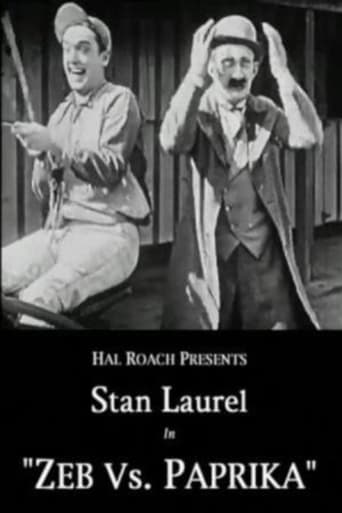
Character actor who worked during the silent film era, primarily appearing in comedy shorts between 1919 and 1924. His career, though brief, spanned several years of the golden age of silent comedy, where he played supporting roles in numerous short films. Ackroyd appeared in productions such as 'Hearts and Flowers' (1919), which marked his known debut in film, and continued working through the early 1920s in titles like 'Collars and Cuffs' and 'The Whole Truth' in 1923. His final known film appearances were in 1924 with 'Zeb vs. Paprika' and 'Brothers Under the Chin.' Like many character actors of his era, Ackroyd specialized in comic supporting roles that required expressive physical performance and timing, essential skills for silent film actors. His filmography suggests he was likely part of the studio system that produced comedy shorts, possibly working for comedy-focused production companies. Unfortunately, like many supporting actors from this period, detailed records of his life and career beyond these film credits are scarce.
The Craft
On Screen
Physical comedy typical of silent film era character actors
Milestones
- Film debut in 'Hearts and Flowers' (1919)
- Appeared in multiple comedy shorts in 1923
- Final film appearances in 1924
Best Known For
Iconic Roles
Must-See Films
Why They Matter
Impact on Culture
Jack Ackroyd's cultural impact was minimal due to his status as a supporting character actor in the silent era. His work represents the numerous talented performers who formed the backbone of early Hollywood comedy productions but whose names have been lost to time. While he didn't achieve lasting fame, actors like Ackroyd were essential to the success of comedy shorts that entertained audiences during the transition from vaudeville to cinematic comedy. His filmography shows the vast network of working actors who contributed to the golden age of silent film.
Lasting Legacy
Jack Ackroyd's legacy exists primarily through film archives and historical records of silent cinema. As a minor actor from this period, his contribution is part of the broader tapestry of early American film history, representing the countless character actors who made silent comedies possible. His work survives only through the few films in which he appeared, and his name is primarily of interest to film historians and silent cinema enthusiasts researching the complete casts of early comedy shorts.
Who They Inspired
There is no documented evidence of Jack Ackroyd's direct influence on other performers, which was typical for supporting actors of his era who worked behind the scenes of major stars. His influence, if any, would have been limited to the immediate productions in which he participated, contributing to the overall success of the comedy shorts through his supporting performances.
Off Screen
Very little is documented about Jack Ackroyd's personal life, which was common for character actors of the silent era who did not achieve star status. Like many performers of his time, personal details were not extensively recorded in public records or entertainment publications unless the actor achieved significant fame.
Did You Know?
- Jack Ackroyd's active years covered only five years according to available film records
- All of his known films were comedy shorts, suggesting he specialized in this genre
- His film career ended in 1924, coinciding with the transition period before sound films became dominant
- Like many character actors of the silent era, biographical information about him is extremely scarce
- The titles of his films suggest they were part of the popular comedy short format of the early 1920s
- No records indicate he made the transition to sound films
- His name does not appear in major film reference works, indicating his status as a minor performer
Frequently Asked Questions
Who was Jack Ackroyd?
American character with credits in this catalog. He played supporting roles in several productions but never achieved star status, and detailed biographical information about him is scarce.
What films is Jack Ackroyd best known for?
Titles linked here include Hearts and Flowers (1919), Collars and Cuffs (1923).
When was Jack Ackroyd born and when did he die?
Jack Ackroyd's birth and death dates are not documented in available historical records. This lack of biographical information is common for minor character actors from the silent era who did not achieve significant fame.
What awards did Jack Ackroyd win?
There are no records of Jack Ackroyd receiving any major awards or nominations. As a supporting character actor in silent comedy shorts, he would not have been eligible for or considered for the major film awards that were just beginning to be established during his career.
What was Jack Ackroyd's acting style?
Based on his appearances in silent comedy shorts, Jack Ackroyd likely employed physical comedy techniques typical of the era, relying on exaggerated gestures, facial expressions, and timing to convey humor without dialogue. His work would have been in the style popularized by comedy studios of the early 1920s.