

Zeb vs. Paprika
"Stan Laurel must win a harness race as a last-chance jockey."
Keys: Space play/pause · ←/→ 10s · F fullscreen · M mute · </> speed
About this film
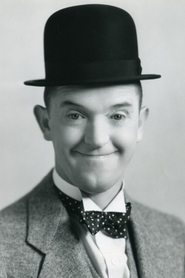
Jockey Stan Laurel harness racing jockey who must win a big race.
Cast & crew
More films like this
More Comedy films
View all →







More from Ralph Ceder
View all →
More about this film
About the production
Release dateJune 29, 1924
ProductionHal Roach Studios
Filmed inLos Angeles, California
This was one of Stan Laurel's early solo shorts produced during his time at Hal Roach Studios before his famous partnership with Oliver Hardy. The film was shot on location at actual racetracks in the Los Angeles area to add authenticity to the racing sequences. The production utilized real harness racing equipment and horses, requiring careful coordination between the comedy team and experienced horse handlers.
Themes
underdog storysports competitioncomedy of errorsdetermination vs. incompetencegambling and risk
Themes & topics
Historical background
Production circa 1924 situates Zeb vs. Paprika within the technical limits of its era—intertitles, fixed cameras, and studio-bound sets shaped every creative choice.
Why this film matters
Collectors prize surviving prints of Zeb vs. Paprika as evidence of how 1924-era filmmakers solved storytelling problems with limited means.
Making of
The production of 'Zeb vs. Paprika' took place during a transitional period in comedy filmmaking, as the industry was moving from simple slapstick to more sophisticated narrative comedies. Director Ralph Ceder, who worked extensively with Laurel during this period, had to coordinate complex racing sequences while maintaining the comedic timing essential to Laurel's style. The horse used for Paprika proved difficult to work with, often refusing to follow the planned choreography, which led to some genuinely spontaneous moments that were kept in the final film. James Finlayson, though not yet part of the Laurel and Hardy team, was already developing his signature exasperated reactions that would later make him famous. The film's racing sequences required extensive preparation, with the crew having to secure permits to film at working racetracks and coordinate with professional harness racing drivers to ensure safety while maintaining the comedic elements.
What critics said
Specialist critics writing today emphasize preservation and access—praising archives when a viewable copy of Zeb vs. Paprika survives rather than overstating original buzz.
Did you know?
- This film was released before Stan Laurel's iconic partnership with Oliver Hardy was formed, though James Finlayson would later become a regular supporting actor in their films together.
- The title 'Zeb vs. Paprika' refers to the main character (Zeb) and the horse he must ride (Paprika), creating a humorous juxtaposition between a simple name and an exotic spice name.
- Stan Laurel performed many of his own stunts in the racing sequences, despite the dangers involved with working with live horses.
- The film was part of the 'Stan Laurel' series of shorts produced by Hal Roach, which ran from 1923 to 1925 before Laurel transitioned to team comedies.
- Harness racing was a popular sport in the 1920s, making this film timely and relatable to contemporary audiences.
- The original film negative is believed to be lost, though some prints survive in film archives.
- This was one of the last films Laurel made before developing his famous screen character that would later be refined in his partnership with Hardy.
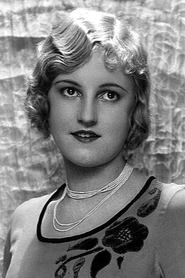
- Ena Gregory, who plays the female lead, was one of the few actresses who appeared in multiple Laurel solo films during this period.
Visual style
The cinematography for 'Zeb vs. Paprika' was handled by the Hal Roach Studios regular cameramen, who employed the standard techniques of silent comedy filming. The racing sequences utilized multiple camera positions to capture both the action and the comedic reactions, a relatively sophisticated approach for short comedies of the period. The film made effective use of close-ups to capture Laurel's expressive face and the reactions of supporting characters, particularly James Finlayson's increasingly exasperated expressions. The cinematography successfully balanced the need to show the scale of the racetrack with the intimate comedy moments, using tracking shots during the racing sequences to maintain visual interest and enhance the feeling of movement.
Innovations
While 'Zeb vs. Paprika' was not a groundbreaking film in terms of technical innovation, it demonstrated sophisticated techniques for its time in the execution of action comedy sequences. The successful integration of live horse racing with comedic performance required careful planning and execution. The film's editing, particularly during the racing sequences, showed advanced understanding of rhythm and pacing for comedy. The production team's ability to coordinate multiple elements - actors, animals, vehicles, and camera movement - in service of comedy represented the high level of technical skill being developed at Hal Roach Studios during this period.
Music
As a silent film, 'Zeb vs. Paprika' would have been accompanied by live musical performance during its original theatrical run. The typical score would have been provided by a theater organist or small orchestra, using popular and classical pieces matched to the on-screen action. Racing sequences would have been accompanied by upbeat, energetic music, while comedic moments would have used lighter, more whimsical selections. No original composed score exists for the film, as was common for short comedies of this era. Modern screenings typically use period-appropriate compiled scores or newly composed music that reflects the style of the 1920s.
Famous quotes
(Silent film - no dialogue quotes available)
Memorable scenes
- The climactic race sequence where Stan Laurel, as Zeb, struggles to control the horse Paprika while other jockeys create chaos around him, culminating in an unexpected victory achieved through pure luck and comic timing.
What audiences thought
Audiences in 1924 responded positively to 'Zeb vs. Paprika,' particularly enjoying the combination of physical comedy and the popular setting of horse racing. The film performed well in the short film market, which was highly competitive during this period. Contemporary audience members appreciated Laurel's relatable 'everyman' character and the film's fast-paced comedy. Modern audiences who have seen the film (primarily through archival screenings) often note its historical significance and enjoy seeing Laurel's early work before his famous partnership. The racing sequences continue to entertain viewers with their blend of genuine excitement and comedic timing.
Film connections
Influenced by
- Keystone comedies
- Charlie Chaplin's early shorts
- Harold Lloyd's action comedies
This film influenced
- Later Laurel and Hardy sports-themed comedies
- Hal Roach Studios racing comedies of the late 1920s
Film restoration
The film is considered partially lost with only incomplete prints surviving in film archives. Some sequences exist in 16mm reduction prints, while the original 35mm negative is believed to be lost. The surviving material is preserved at the Library of Congress and other film archives, though it may not be complete. Restoration efforts have been limited due to the fragmented nature of the surviving elements.
Where to watch
- The film is extremely rare and not commercially available. It may occasionally be screened at specialized film archives or silent film festivals. Some fragments might be accessible through academic film archives or specialized film history collections.