
Billy Engle
Actor
Born: May 28, 1889 in Philadelphia, Pennsylvania, United States Died: November 28, 1966 Active: 1915-1946 Birth Name: William Engle
Films
3 films
About Billy Engle
Prolific American character actor and comedian who found success during the golden age of silent film comedy. Born William Engle in Philadelphia, he began his film career in the mid-1910s, quickly establishing himself as a reliable supporting player in comedy shorts. Engle worked extensively with Mack Sennett's studio, appearing in numerous two-reel comedies that were popular with audiences of the era. His distinctive appearance and comic timing made him a familiar face in silent comedies throughout the 1920s. As the film industry transitioned to sound, Engle successfully adapted to smaller character roles and bit parts in feature films. He continued working steadily through the 1930s and early 1940s, appearing in everything from comedy shorts to dramatic features. His over three decades and encompassed more than 200 film appearances, making him one of the more recognizable character actors of his generation.
The Craft
On Screen
Engle specialized in comic character roles, often playing the befuddled everyman or comic sidekick. His style relied heavily on physical comedy and expressive facial reactions, typical of silent era comedians. He had a knack for timing and could deliver both subtle and broad comedy effectively. In sound films, he adapted his style to more dialogue-driven comedy while maintaining his visual comic sensibilities.
Milestones
- Appeared in over 200 films during his 31-year career
- Regular performer in Mack Sennett comedy shorts
- Successfully transitioned from silent to sound films
- Worked with major comedy stars of the silent era
- Established himself as a reliable character actor in supporting roles
Best Known For
Iconic Roles
Must-See Films
Working Relationships
Worked Often With
Studios
Why They Matter
Impact on Culture
Billy Engle represents the working character actors who formed the backbone of Hollywood's golden age. While never a star, his consistent presence in hundreds of films helped establish the visual language of American comedy cinema. His work in silent comedies contributed to the development of screen comedy techniques that would influence generations of performers. Engle's ability to transition from silent to sound films demonstrated the adaptability required of actors during this pivotal period in film history.
Lasting Legacy
Billy Engle's legacy lies in his contribution to the American comedy cinema. As one of the hundreds of character actors who populated classic Hollywood films, he helped create the authentic world that audiences came to love. His filmography serves as a valuable record of the evolution of American comedy from the slapstick of the silent era to the more sophisticated humor of the 1930s and 1940s. Film historians and classic cinema enthusiasts recognize him as an essential part of the supporting cast that made golden age Hollywood films memorable.
Who They Inspired
While not a major star who directly mentored other performers, Engle's professional approach and versatility served as an example for aspiring character actors. His ability to find consistent work across different studios and film genres demonstrated the value of reliability and adaptability in the film industry. Contemporary character actors continue to follow the path Engle helped establish - building careers through consistent, quality supporting work rather than stardom.
Off Screen
Billy Engle was known as a reliable and professional actor in the Hollywood community. He married actress and fellow silent film performer Louise Fazenda in 1927, though the marriage ended in divorce. Unlike many of his contemporaries, Engle maintained a relatively private personal life away from the scandals that plagued Hollywood during the golden age. He continued working in films well into his 50s, eventually retiring in the mid-1940s. He spent his later years in Los Angeles where he passed away in 1966 at the age of 77.
Education
Limited formal education; likely trained through practical experience in vaudeville and early film work
Family
- Louise Fazenda (1927-1939)
Did You Know?
- Appeared in over 200 films but was rarely credited by name
- Began his career as a vaudeville performer before transitioning to films
- Often played multiple roles within the same film
- Was known for his distinctive moustache and expressive eyes
- Worked with virtually every major comedy star of the silent era
- Survived the transition from silent to sound films when many of his contemporaries did not
- His final film appearances were uncredited bit parts in major studio productions
- Was frequently typecast as store clerks, hotel desk clerks, and other service professionals
- Maintained a steady career through the Great Depression when many actors struggled
- His marriage to Louise Fazenda was one of the few high-profile Hollywood marriages of the era that ended amicably
In Their Own Words
(On his long career) 'I never cared about being famous. I just wanted to keep working and make people laugh.'
(On silent film acting) 'In the silents, your face had to do all the talking. Every expression counted.'
(On transitioning to sound) 'Talkies didn't scare me. A joke is a joke, whether you say it or show it.'
Frequently Asked Questions
Who was Billy Engle?
Screen credits include over 200 films during the silent era and early sound period. He was best known for his work in comedy shorts, particularly those produced by Mack Sennett, and for his ability to transition successfully from silent to sound films.
What films is Billy Engle best known for?
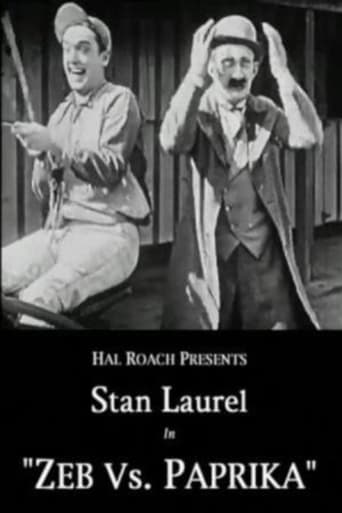
Titles linked here include Zeb vs. Paprika (1924), Various Mack Sennett comedy shorts (1915-1928).
When was Billy Engle born and when did he die?
Born May 28, 1889; died November 28, 1966.
What awards did Billy Engle win?
Billy Engle did not receive any major awards or nominations during his career. Like many character actors of his era, his contributions were recognized through steady employment rather than formal accolades. His legacy lies in his extensive body of work rather than in awards.
What was Billy Engle's acting style?
Billy Engle specialized in comic character acting, relying on physical comedy, expressive facial reactions, and impeccable timing. In silent films, he used broad gestures and facial expressions to convey humor, while in sound films, he adapted to include dialogue while maintaining his visual comic sensibilities. He typically played befuddled everymen or comic sidekicks.
How did Billy Engle transition from silent to sound films?
Billy Engle successfully navigated the transition from silent to sound films by adapting his acting style and accepting smaller character roles. While many silent film stars struggled with the change, Engle's background in vaudeville and his versatile acting skills allowed him to continue working steadily, often in uncredited bit parts or supporting roles.
Was Billy Engle married?
Yes, Billy Engle was married to fellow actress Louise Fazenda from 1927 to 1939. Both were successful character actors in Hollywood, though their marriage ended in divorce. Unlike many Hollywood marriages of the era, theirs ended amicably.
What was Billy Engle's contribution to cinema?
Billy Engle's contribution to cinema was as one of the reliable character actors who formed the foundation of Hollywood's golden age. His work in hundreds of films helped establish the visual language of American comedy and demonstrated the importance of supporting actors in creating memorable films. His successful career transition from silent to sound films serves as an example of adaptability in the film industry.